
Last updated November 14, 2026
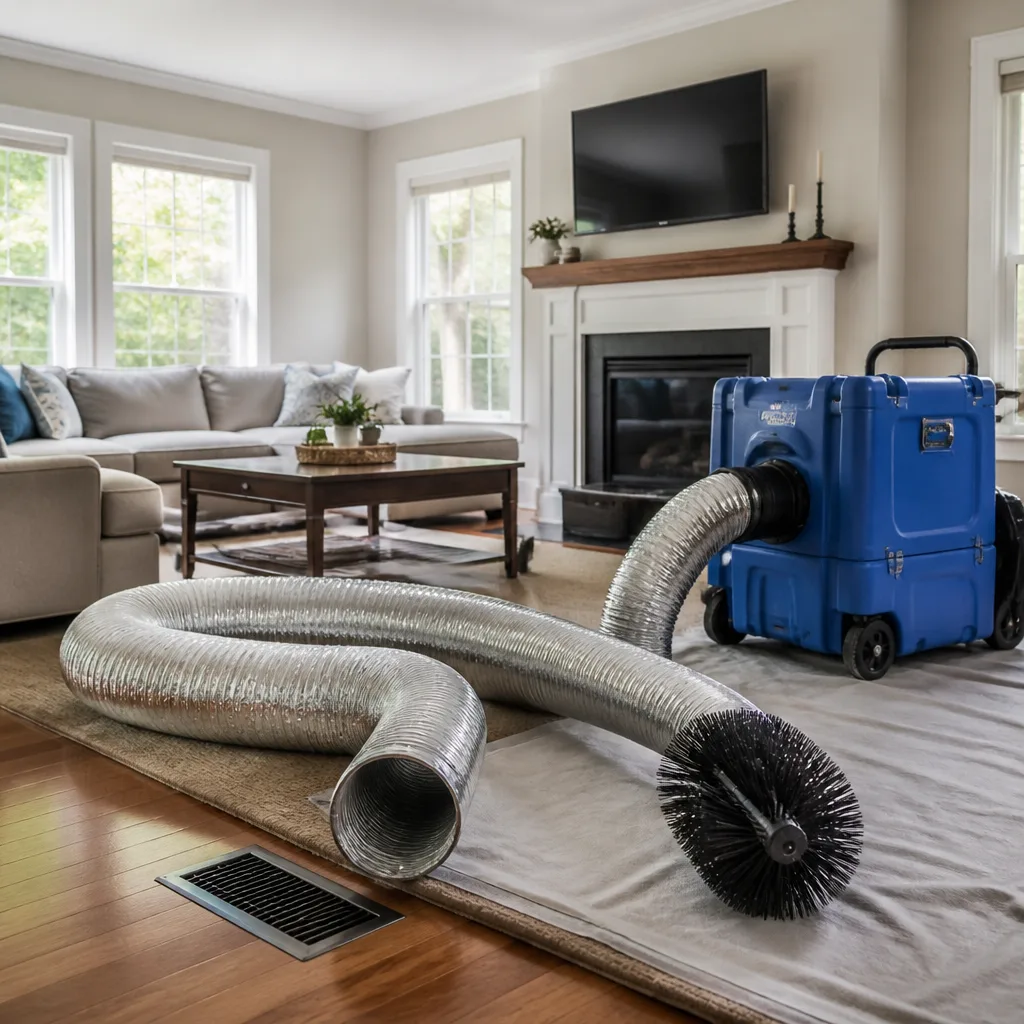 Whole-home duct cleaning
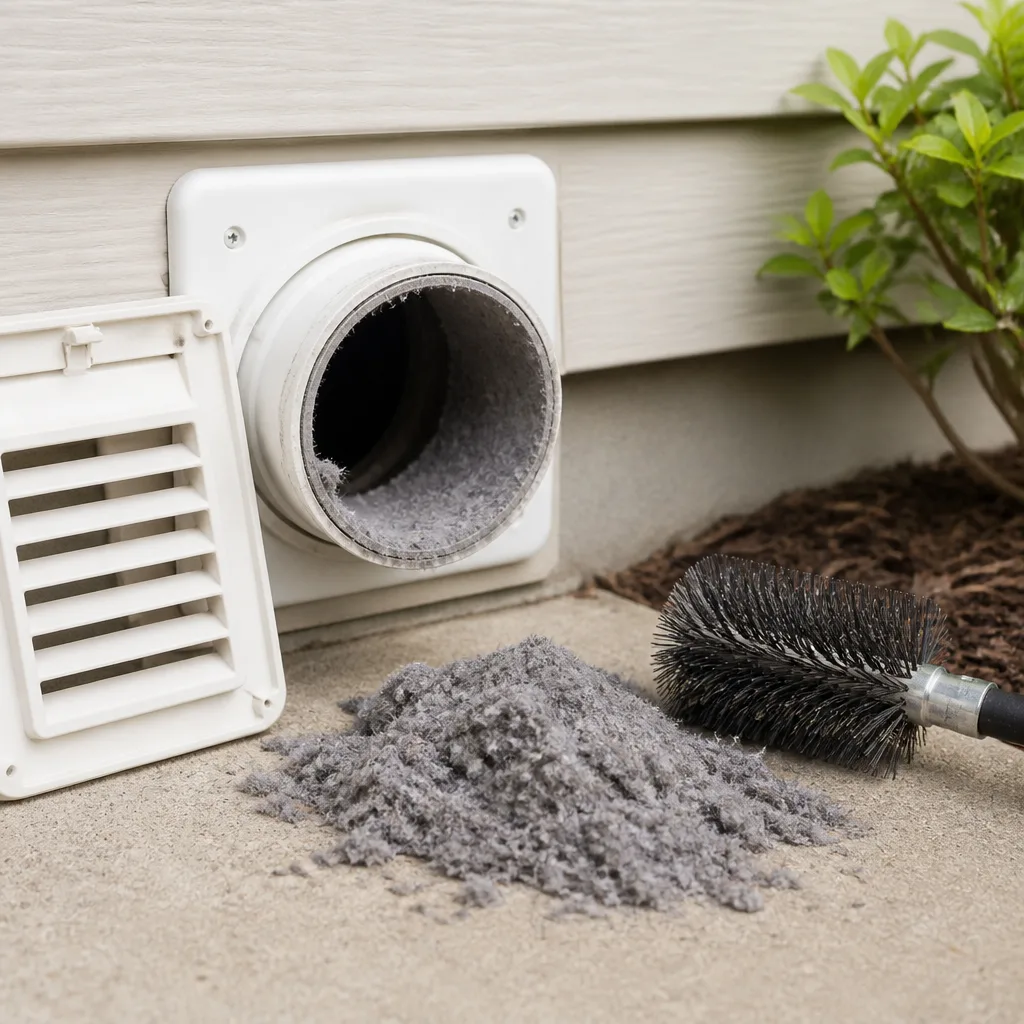 Dryer vent cleaning
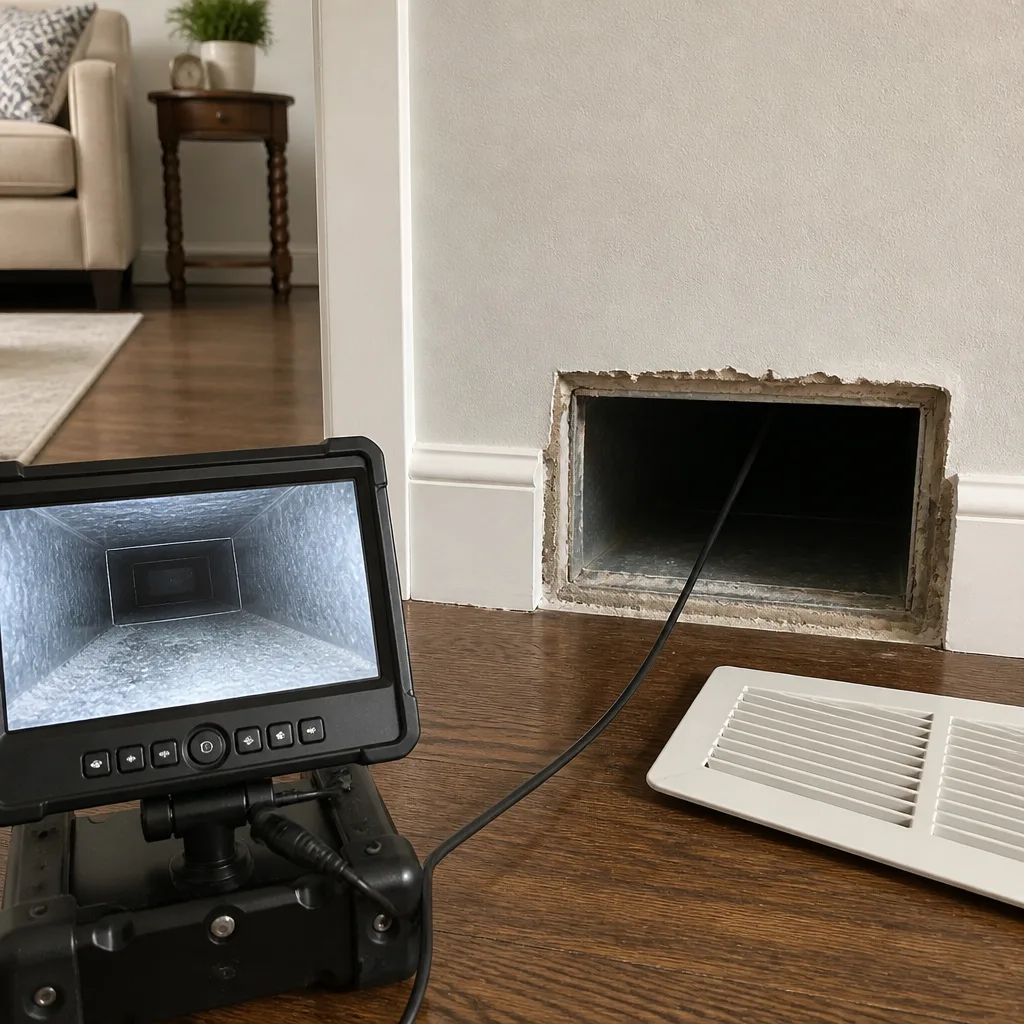 Camera inspection
 Sanitizing & deodorizing
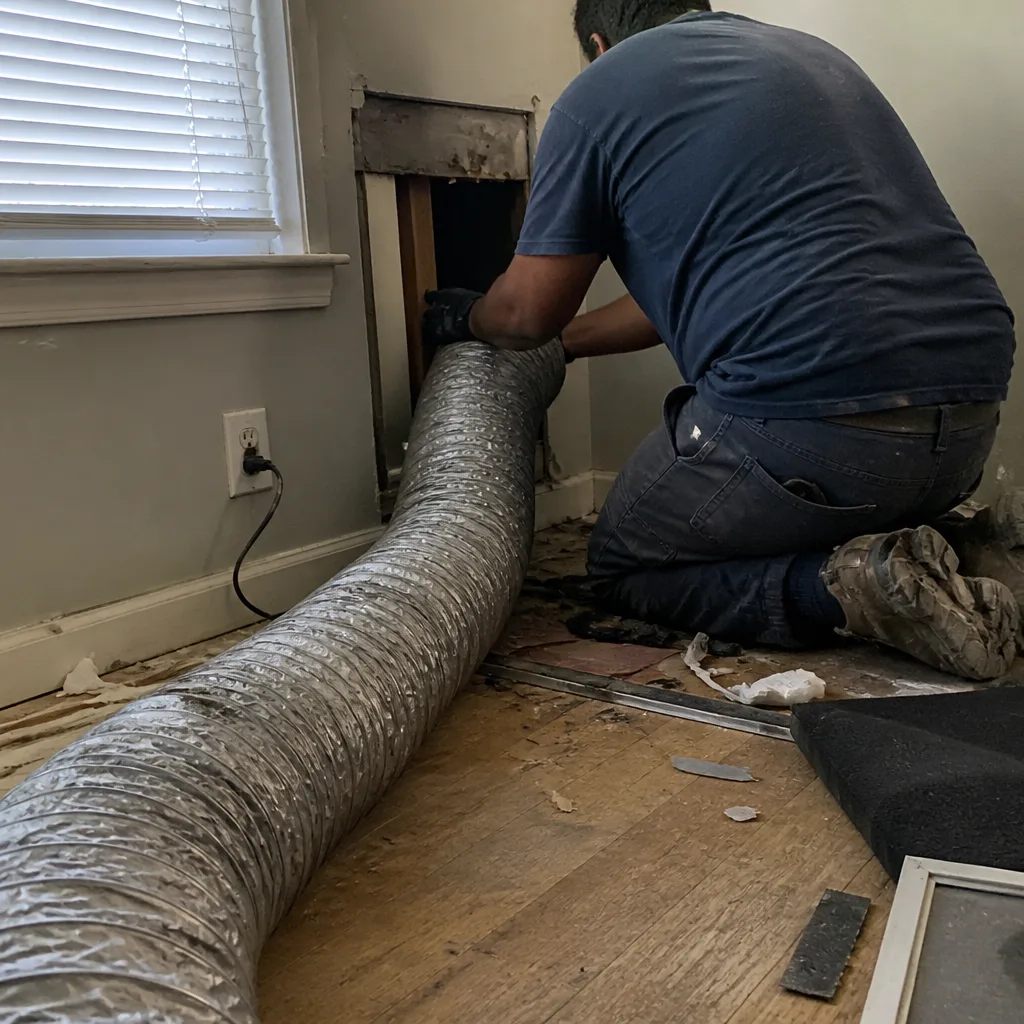
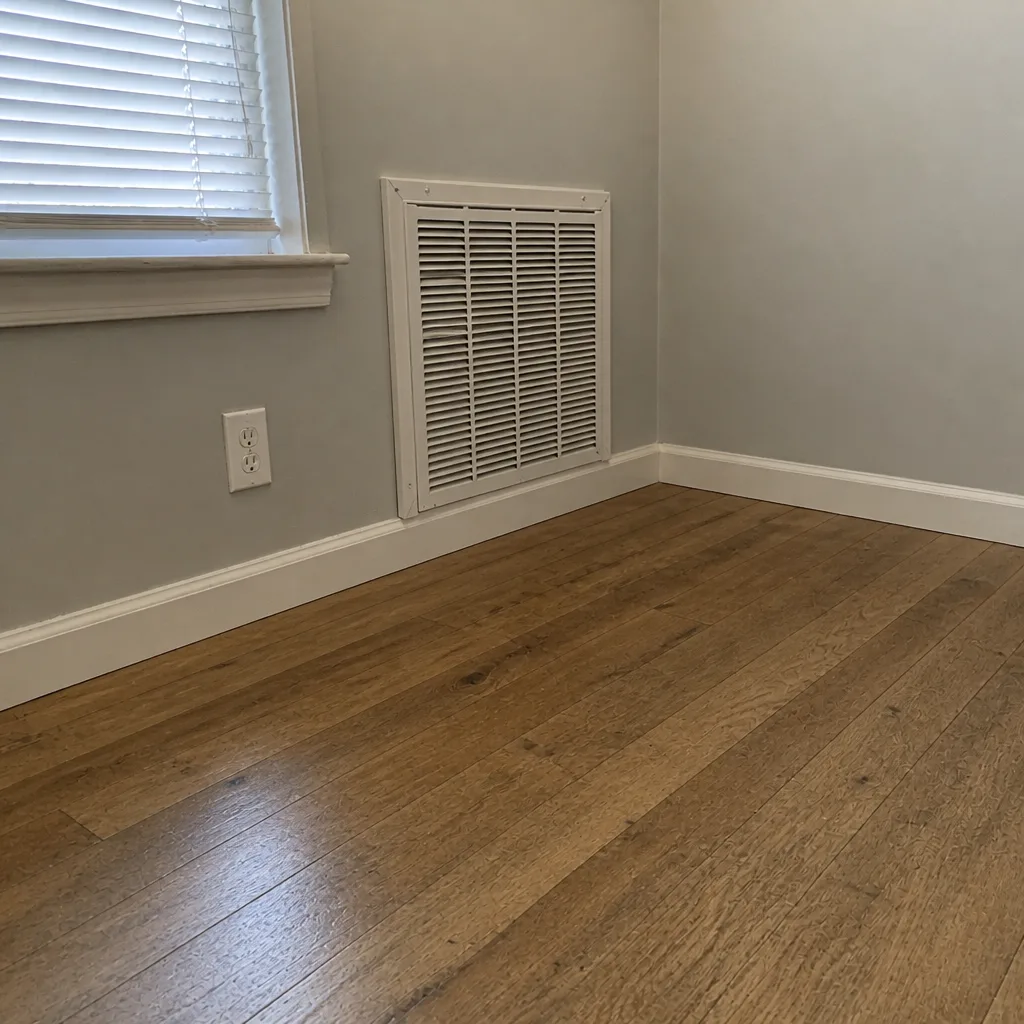
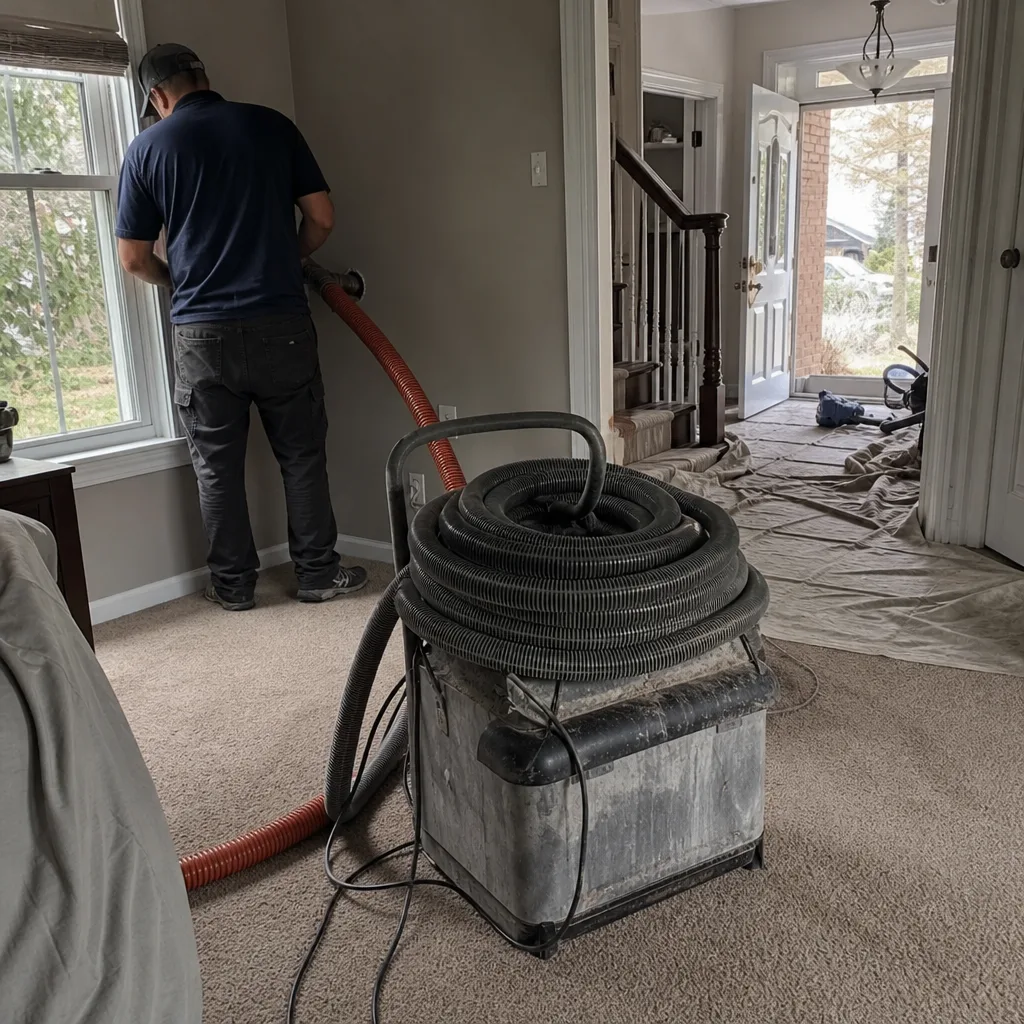
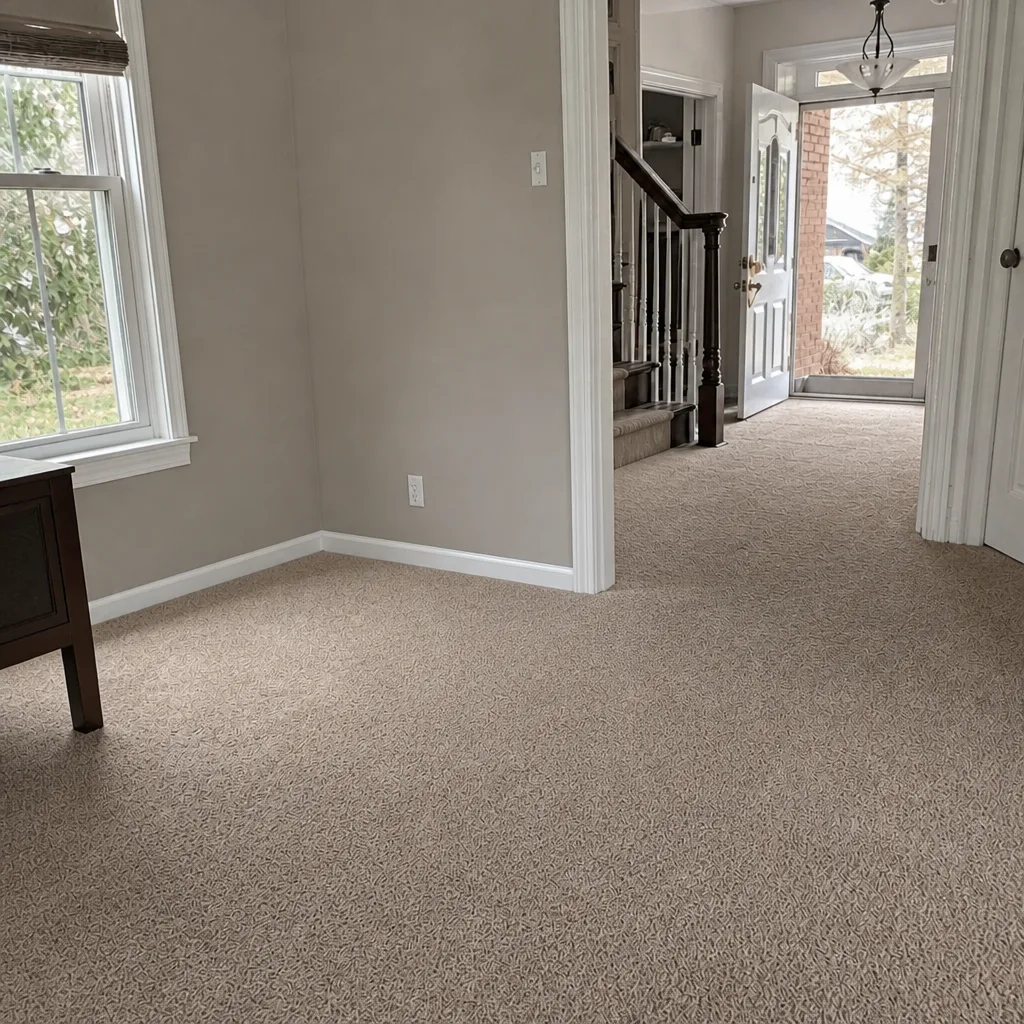
Whole-system duct and dryer vent check with before-and-after photos - you see exactly what came out of your vents
That "$99 whole-house special" is a bait ad - the real number appears once they are in your hallway, or the "clean" is a shop-vac at the register. We photograph the inside of your ducts before and after instead.
Air Duct Cleaning Maintenance Schedule: What to Do and When
A single cleaning every three to five years is the number most homeowners have heard, and it’s a blunt instrument. Two houses on the same street in Columbia can have completely different accumulation rates: a 1990s build with flex duct, two shedding dogs, and a MERV-5 filter needs professional attention on a far shorter timeline than a 2018 build with sheet metal trunk lines and a MERV-13. Build era, filter rating, occupancy, pets, and renovation history each move the needle. This guide gives you a decision framework for your specific system, not a generic calendar.
Quick Answer
There is no universal air duct cleaning interval. For most homes, a professional cleaning every three to five years is the starting baseline, but that window can compress to every two to three years in high-pet, high-occupancy homes with low-MERV filters and expand toward six or seven years in newer construction with tight filtration and no pets. Between professional cleanings, inspect and document your system every six months. Our technicians have up to 13 years of experience, and in that time the single biggest predictor of how often a Columbia home needs cleaning has been the combination of duct material and filter rating, not the calendar.
Styles & brands we work with
- Whole-home duct cleaning
- Dryer vent cleaning
- Camera inspection
- Sanitizing & deodorizing
Table of Contents
- Why the Standard Three-to-Five-Year Rule Falls Short
- The Variable-Interval Decision Matrix
- How Columbia’s Humidity Affects Flex Duct vs. Sheet Metal
- Your Filter as a Leading Indicator
- The Six-Month Inspection: Where to Look and What to Record
- Building a Maintenance Log Your Technician Can Use
- Renovation, Pets, and Occupancy: When the Schedule Moves
- What a Professional Cleaning Actually Involves
Why the Standard Three-to-Five-Year Rule Falls Short
The three-to-five-year figure gets repeated because it’s easy to say, not because it reflects how dust actually accumulates in a specific house. Duct contamination is a function of what enters the system, what sticks to the interior surfaces, and how fast those surfaces release it back into the airstream. Every one of those variables is home-specific.
Consider two Columbia homes of similar square footage. The first has flex duct runs throughout, a MERV-5 filter that gets changed twice a year, three occupants, and a dog that sheds. The second has a sheet metal trunk with short flex branches, a MERV-13 filter changed every other month, two occupants, no pets, and no recent renovation. The first home’s duct interior collects a measurable layer of dust and dander within eighteen months. The second can go five years before a professional sees meaningful accumulation. Same town, same climate, completely different schedule.
That’s why a fixed calendar is the wrong tool. What follows is a decision framework built around the five variables that matter most in our experience:
- Duct material – flex duct has a ridged interior that traps particulate; sheet metal is smoother and releases more of what passes through
- Filter MERV rating – a higher-MERV filter captures more upstream and sends less downstream into the ducts
- Occupant count – more people means more skin cells, hair, and lint entering the return
- Pets – dander and shed fur load the system fast
- Renovation activity – drywall dust, sawdust, and construction debris get pulled into returns during any remodel
Rate your home against each of these honestly, and you’ll land on a starting interval far more accurate than three to five years in the abstract. We’ll walk through each factor below.
The Variable-Interval Decision Matrix
Use this matrix to set your baseline interval. Start at five years and move the number based on how many high-load factors your home carries.
- Duct material. If most of your runs are flex duct, subtract one year from the baseline. If your ducts are predominantly rigid sheet metal with short flex branches, keep the baseline.
- Filter rating. If your filter is MERV-8 or lower, subtract one year. If it’s MERV-11 or higher and changed on schedule, add one year.
- Occupants. More than four people in the household, subtract one year. One or two occupants, add one year.
- Pets. One or more shedding pets, subtract one year. Multiple heavy-shedding pets, subtract two years.
- Renovation. Any remodel within the past twelve months that involved drywall, sanding, or demolition, treat the ducts as overdue regardless of the baseline and schedule a cleaning once the work is complete.
Run the math for a typical example. A 1990s Columbia home with flex duct (subtract one), a MERV-5 filter (subtract one), three occupants (no change), one shedding dog (subtract one), and no recent renovation lands at five minus three, or two years between professional cleanings. A 2018 build with a sheet metal trunk (no change), MERV-13 (add one year), two occupants (add one), no pets, and no renovation lands at five plus two, or seven years. That’s a wide spread, and both are correct for their specific systems.
Columbia’s housing stock spans several decades, from the planned community’s early villages to recent infill construction. That means the same town has homes at every point on this matrix, sometimes on the same block. The framework accounts for that reality in a way a fixed rule never can.
How Columbia’s Humidity Affects Flex Duct vs. Sheet Metal
This is the factor most generic maintenance guides ignore, and it matters. Humidity, not visible dust, is often what pushes a system from “needs cleaning eventually” to “needs cleaning now.” Moisture in the airstream doesn’t contaminate ducts by itself, but it changes the surfaces that particulate sticks to, and it feeds microbial growth on any porous duct lining that has already collected organic material – skin cells, dander, lint.
The key distinction is material. Rigid sheet metal has a non-porous interior. Dust settles on it, but the metal doesn’t absorb moisture the way a porous liner does, and a cleaning brings it back to bare metal. Flex duct is different. Its interior is a flexible, often insulated liner with ridges and folds. Those ridges trap particulate, and that particulate holds moisture against a porous surface. In a humid summer, that’s the recipe for microbial growth that a surface pass won’t remove.
What this means for scheduling in Columbia:
- Flex duct homes should lean toward the shorter end of their interval range in every category.
- Any home that has had a moisture event – a leaking coil, condensation on poorly insulated runs, water intrusion into a crawlspace feeding a run – should be inspected and cleaned regardless of the schedule.
- Sheet metal homes get more scheduling flexibility because the interior surfaces don’t hold moisture the same way.
We run professional-grade cleaning equipment from Rotobrush and Nikro specifically because rotary-brush contact, not just vacuum suction, is what actually dislodges what’s settled into flex duct ridges. Suction alone skims the surface. If you want to understand the process in more detail, our air duct cleaning page covers it step by step.
Your Filter as a Leading Indicator
Your HVAC filter is the cheapest diagnostic tool you own. How fast it loads tells you how much particulate is circulating in your home, and that same loading rate predicts how fast your ducts are accumulating.
Here’s the method:
- Install a fresh filter of known MERV rating and write the date on it. Note the rating on the frame or in your maintenance log.
- Check it at 30 days and photograph the loading. Hold it up to a light source. A filter that’s noticeably darkened across the surface at 30 days is loading fast.
- Compare against the manufacturer’s expected replacement interval. Most filters carry a recommended interval. If yours is loading in a third of the expected time, that’s your signal.
- Track the trend. If the same filter used to last three months and now needs changing at six weeks, something changed – new pets, new occupants, renovation dust, or a return-side leak pulling in attic or crawlspace air.
The leading indicator works because the filter sits upstream of the ducts. Heavy filter loading means a lot of particulate is entering the system. A high-MERV filter intercepts much of it. A low-MERV filter passes it through, and it settles in the duct runs downstream. If you’re running a MERV-5 and changing it frequently, your ducts are doing the filtration the filter isn’t. That’s a home that needs professional cleaning sooner than its baseline suggests.
If a filter change does nothing to slow the loading rate, the problem may not be filtration at all. It may be duct leakage pulling in unfiltered air from unconditioned space. That’s a repair issue, not a cleaning one, which is why we treat air duct repair as a separate discipline from cleaning. Fixing the leak fixes the loading problem.
The Six-Month Inspection: Where to Look and What to Record
Between professional cleanings, walk your system every six months. You’re not cleaning anything during this inspection. You’re documenting what you see so that at your next service visit, the technician has real history to work from instead of a guess.
Where to look:
- Supply registers. Remove a few and shine a light into the boot and the first stretch of duct beyond it. Note any visible dust accumulation, dark staining, or discoloration.
- Return grilles. The return is where the dirt enters. Look at the grille surface and the duct immediately behind it.
- Filter slot. Check for bypass – gaps around the filter where air slips past unfiltered. Note the filter’s loading condition and the date you installed it.
- Accessible flex runs in the attic, basement, or crawlspace. Look for sagging, kinked, or disconnected runs, condensation on the exterior of the duct, or any run resting in water or wet insulation.
- Around the air handler. Check for dust build-up on the coil face and the return plenum connection.
- Dryer vent. If your dryer vent passes through the same mechanical space, look at the exterior termination for lint build-up and check the run for crushed sections.
What to record: the date, the filter rating and install date, a phone photo of each register’s interior, and any observations (staining, condensation, disconnected runs, unusual odors when the system runs). Six months of these records give a technician a real picture of accumulation rate. That’s far more useful than trying to remember when you last had the ducts done.
Building a Maintenance Log Your Technician Can Use
A maintenance log turns guesswork into measurable data. It doesn’t need to be elaborate. A notebook kept near the thermostat, or a shared spreadsheet on your phone, works perfectly. The key is consistency, not complexity.
What to record each time:
- Filter changes: date, MERV rating, and a note on loading condition (light, moderate, heavy)
- Six-month inspections: date and observations from each register checked
- Professional cleanings: date performed, equipment used, and any issues the technician noted
- Repairs: date, what was fixed, and why
- Renovation events: start and end dates of any remodel that generated dust
- HVAC service visits: date and findings, since HVAC issues often trace back to duct conditions
At your next professional cleaning, hand the technician the log. Even better, walk them through it. A technician who knows a home has flex duct, a MERV-5 filter, a shedding dog, and a kitchen remodel completed eight months ago will approach the job differently than one working from a cold start. Our technicians have up to 13 years of experience, and they tell us the single most useful thing a homeowner can provide is a documented history.
If you’d rather start with a baseline, schedule a first cleaning and use that visit to establish the log. The technician can document current conditions, measure filter loading, and recommend a starting interval based on what’s actually there. That first visit is the anchor for everything that follows. For homeowners in Columbia, the local housing variety makes this especially worthwhile.
Renovation, Pets, and Occupancy: When the Schedule Moves
Three events will move your schedule more than anything else: a renovation, a new pet, and a change in occupancy. Each one alters the load on your system, and each calls for adjusting the interval.
Renovation. Any project that involves drywall, sanding, demolition, or significant dust generation will send particulate into your return air. The fix isn’t to clean immediately; it’s to clean after the dust has settled – after the project is complete and the space has been cleared. Cleaning during a renovation wastes the effort because more dust is still coming. Treat the ducts as overdue once the work is done, and note the completion date in your log so the next interval starts from there.
Pets. Adding a shedding dog or cat changes the accumulation rate instantly. So does the loss of a pet. If your household gained a pet, subtract a year from your interval. If you lost one, you can likely stretch the interval back out. Update the log.
Occupancy. A change from two occupants to four (a new baby, aging parents moving in) raises the particulate load. Going the other direction lowers it. Either way, the interval should shift, and the log should reflect it.
One more factor that’s easy to miss: the dryer vent. It’s a separate system from your air ducts, but it shares the same mechanical space and often the same accumulation patterns. If you’re scheduling a duct cleaning, ask your technician to check the dryer vent line at the same time. Cleaning a dryer vent on its own schedule is covered on our dryer vent cleaning page, and the two jobs are often best scheduled together.
What a Professional Cleaning Actually Involves
A professional cleaning done right is a documented, contained process, not a quick pass with a shop vac. The difference matters both for the result and for your ability to schedule the next one correctly.
- System assessment and containment set-up. The technician maps the duct layout, identifies access points, and sets up containment to keep airborne particulate out of living space during the work.
- Source removal with rotary brush and vacuum. Professional cleaning uses specialized equipment, not repurposed household tools. Rotary brushes agitate the duct interior while high-volume vacuum pulls the loosened material out. This is the step that matters for flex duct ridges.
- Register and boot cleaning. The supply and return boots where ducts meet the room get cleaned separately.
- Documentation. Before-and-after photos are the only honest proof of what happened. A professional cleaning should include them.
- Recommendations. The technician assesses your filter rating, notes any duct repairs needed, and recommends an interval based on what was actually found. That recommendation becomes the anchor for your log.
We use Abatement Technologies equipment for containment-grade particulate control, and professional-grade cleaning systems from Rotobrush and Nikro for the source removal itself. For homes where indoor air quality is a priority, we also work with the same IAQ brands your HVAC installer trusts, Honeywell and Aprilaire, so that cleaning and whole-home air quality improvement are handled together rather than as separate problems. If you’d like a full picture of what we do across the system, our Stallion Air Duct Cleaning page outlines the three service lines: duct cleaning, dryer vent cleaning, and duct repair.
The flat price per system is agreed before work starts, and the written estimate sets the final price. No per-vent pricing, no teaser figure that turns into a larger invoice once the technician is on site.
Common Mistakes to Avoid
- Cleaning on a fixed calendar instead of a matrix. If you’re on a strict three-year cycle regardless of duct material or filter rating, you’re either over-cleaning or under-cleaning. Use the five-factor framework.
- Using a MERV-5 filter and expecting duct cleanliness. A low-MERV filter barely intercepts the particulate that ends up in your ducts. In Columbia homes with flex duct, this is the most common driver of accelerated accumulation. Raise the filter rating and the ducts stay cleaner.
- Cleaning during a renovation. If the dust is still flying, the cleaning will be undone before the project wraps. Wait until the work is complete, then clean.
- Skipping the flex duct inspection points. Flex runs in the attic or crawlspace are where moisture problems and disconnections hide. If you only check the registers, you’ll miss the majority of the system.
- Ignoring the filter loading rate as a diagnostic. A filter that loads fast is a message about the whole system. Read it before scheduling based on the calendar.
- Not keeping a log. Without records, every technician visit starts from zero. A three-line entry per event gives the next technician real data.
- Assuming a cleaning fixes a duct leak. Cleaning removes contamination. It doesn’t repair a disconnected flex run or a gap in the return plenum. Those are repair issues and need to be addressed separately.
See the difference
 Before
 After
 Before
 After
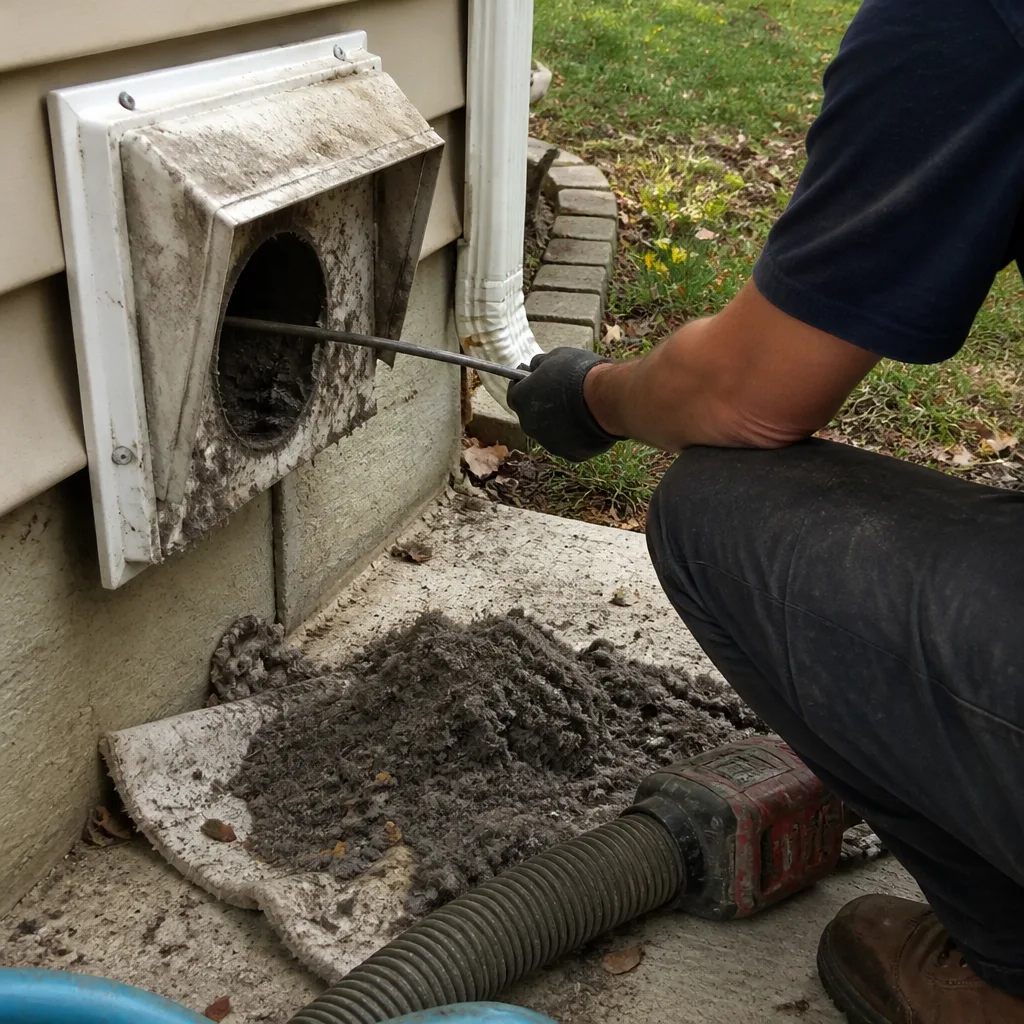 Before
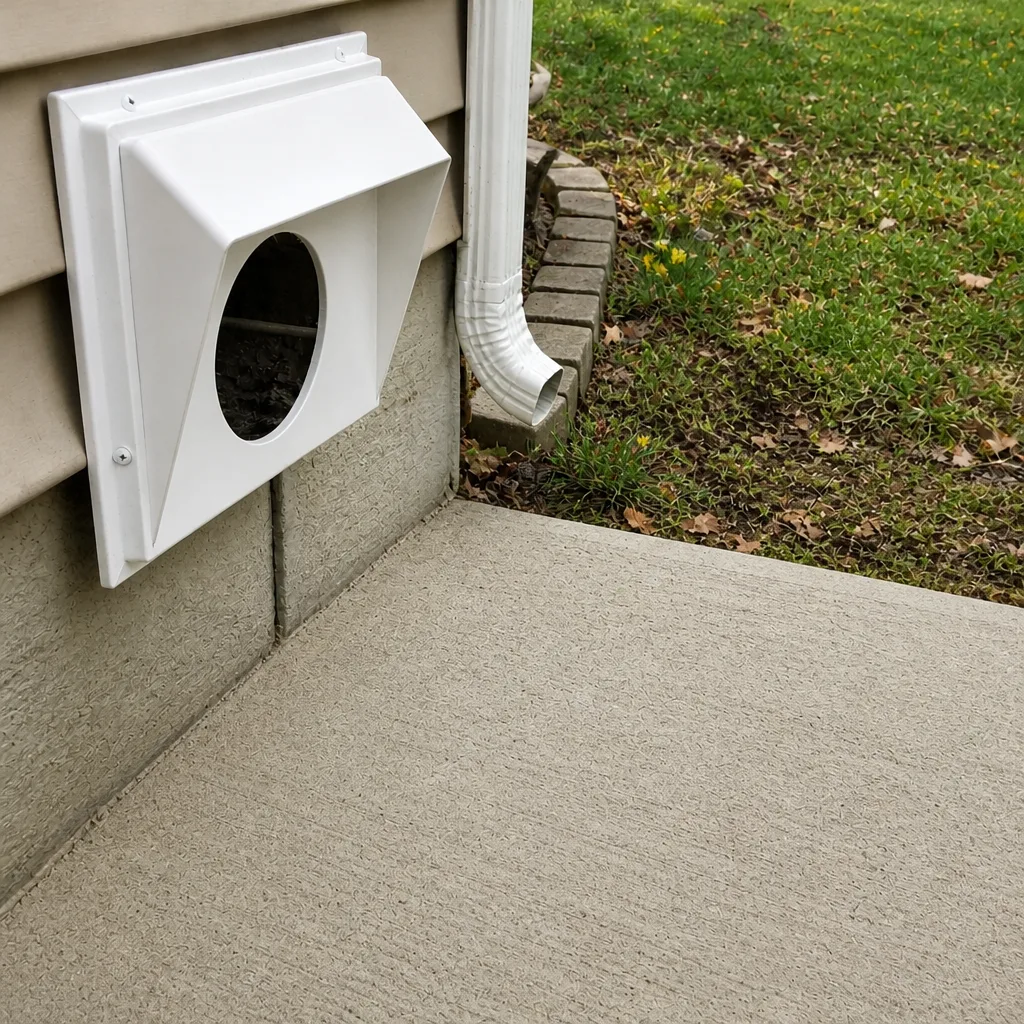 After
When to Call a Professional
Schedule a professional cleaning when you detect any of these signals: visible dust or dark staining around supply registers, unusual musty odors when the system runs, heavy filter loading that a fresh filter can’t slow, pets in the home with flex duct, or a renovation completed in the past year. Also call if you suspect moisture in the system – condensation on flex runs, water intrusion, or microbial growth. And call if you simply don’t know when the last cleaning was performed. A first visit establishes a baseline from which you can build a proper maintenance log.
Stallion Air Duct Cleaning offers free estimates in Columbia. Call (866) 643-6070. We answer 24/7. Fast dispatch from 7am to 7pm, Sunday through Friday.
Frequently Asked Questions
There is no single correct interval. A reasonable starting baseline is every three to five years, but the correct interval for your home depends on duct material, filter MERV rating, occupant count, pets, and recent renovation activity. Flex duct, low-MERV filters, more occupants, and pets each shorten the interval by roughly a year. Call (866) 643-6070 for an exact recommendation based on your system.
Yes, generally. Flex duct has a ridged, often porous interior that traps particulate and holds moisture against the surface, which makes it more likely to support microbial growth over time. Rigid sheet metal is non-porous and releases more of what passes through, so it can often go longer between cleanings. In Columbia’s humid summers, this gap matters even more.
Watch three signals: visible dust or dark staining around supply and return registers, a filter that loads much faster than its expected replacement interval, and unusual odors when the system runs. Any one of these is a strong reason to schedule an assessment. Call (866) 643-6070 to book a free estimate.
Yes. Humidity doesn’t contaminate ducts by itself, but it changes the surfaces that particulate sticks to and it feeds microbial growth on any porous duct lining that has already collected organic material. This is why flex duct homes in Columbia should lean toward the shorter end of their interval range, especially during humid months. If you suspect moisture in the system, call (866) 643-6070.
Inspect every six months: supply registers, return grilles, the filter slot, accessible flex runs in the attic or crawlspace, the area around the air handler, and the dryer vent termination if it’s in the same space. Record the date, filter rating, and a photo of each register’s interior in your maintenance log. Consistent records are far more useful than a vague memory at the next service visit.
Yes, once the renovation is complete and dust has settled. Cleaning during a renovation is counterproductive because more dust is still being generated. Schedule the cleaning after the project wraps, note the completion date in your maintenance log, and start the next interval from there. Call (866) 643-6070 for a free estimate.
The Bottom Line
Air duct cleaning isn’t a calendar event; it’s a maintenance decision driven by your specific home’s load factors. Start at three to five years, then adjust for duct material, filter MERV rating, occupant count, pets, and renovation history. Run the filter loading check as a leading indicator between cleanings. Keep a six-month inspection log so your next technician has real data to work from. And if you’re in Columbia, factor in the humidity’s effect on flex duct. A maintenance schedule built around your system, not the industry default, is the one that actually keeps your air clean.
Call (866) 643-6070 for a free estimate and a starting recommendation tailored to your home. We answer 24/7. Fast dispatch from 7am to 7pm, Sunday through Friday, closed Saturday.
Written by the team at Stallion Air Duct Cleaning.