
Last updated November 14, 2026
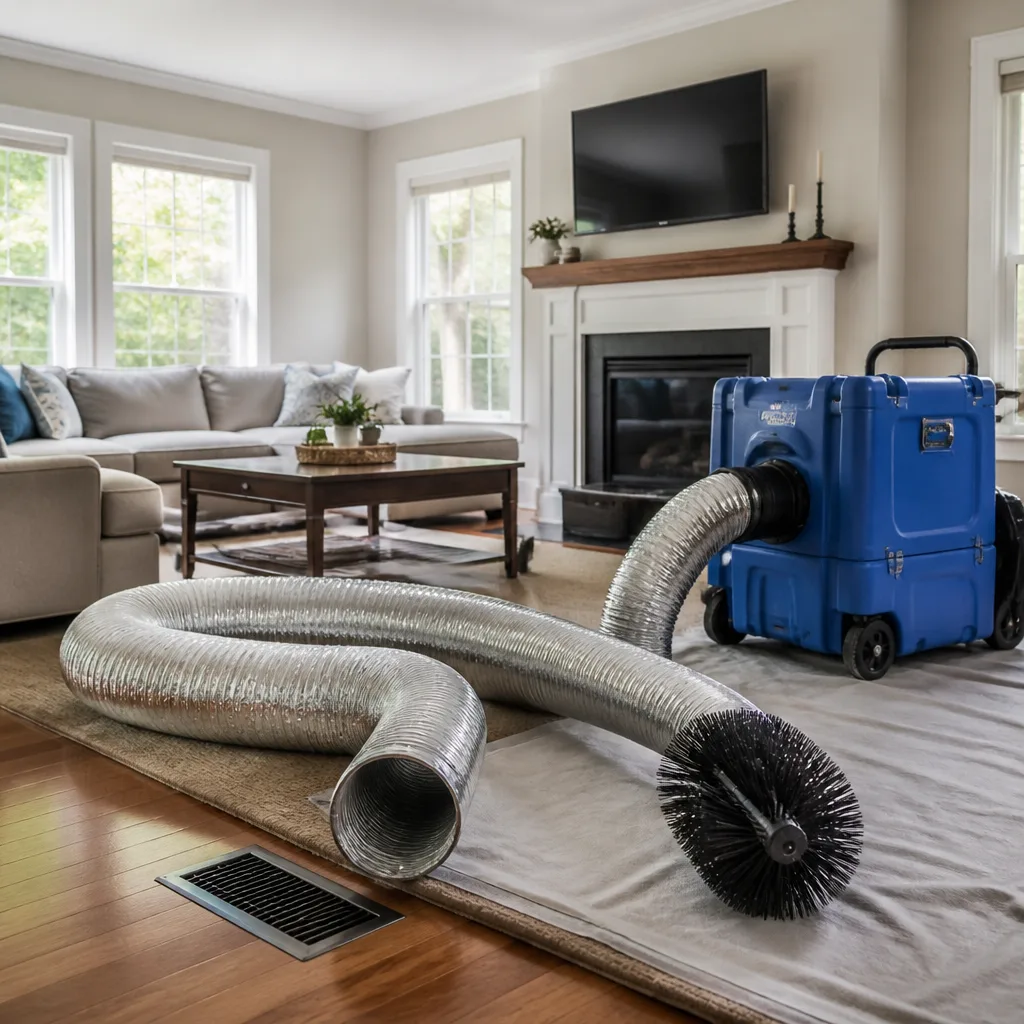 Whole-home duct cleaning
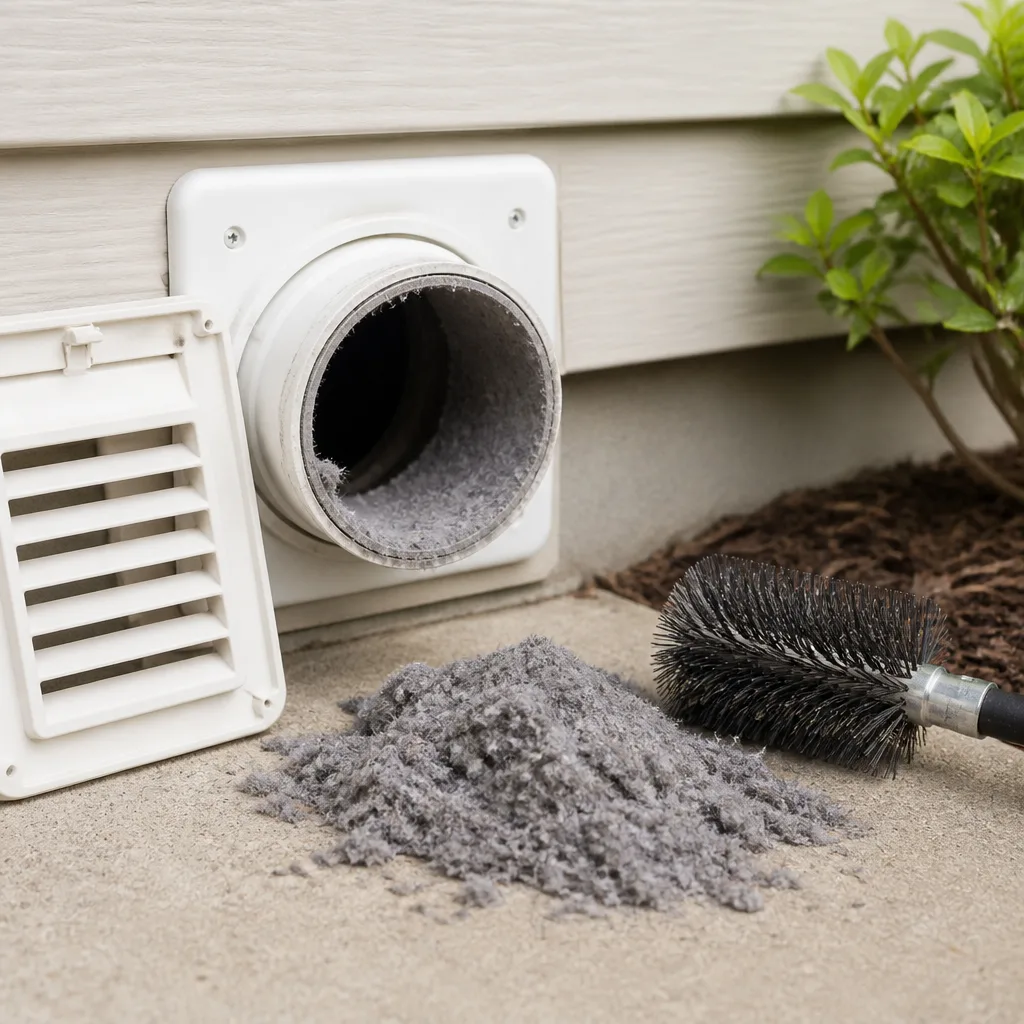 Dryer vent cleaning
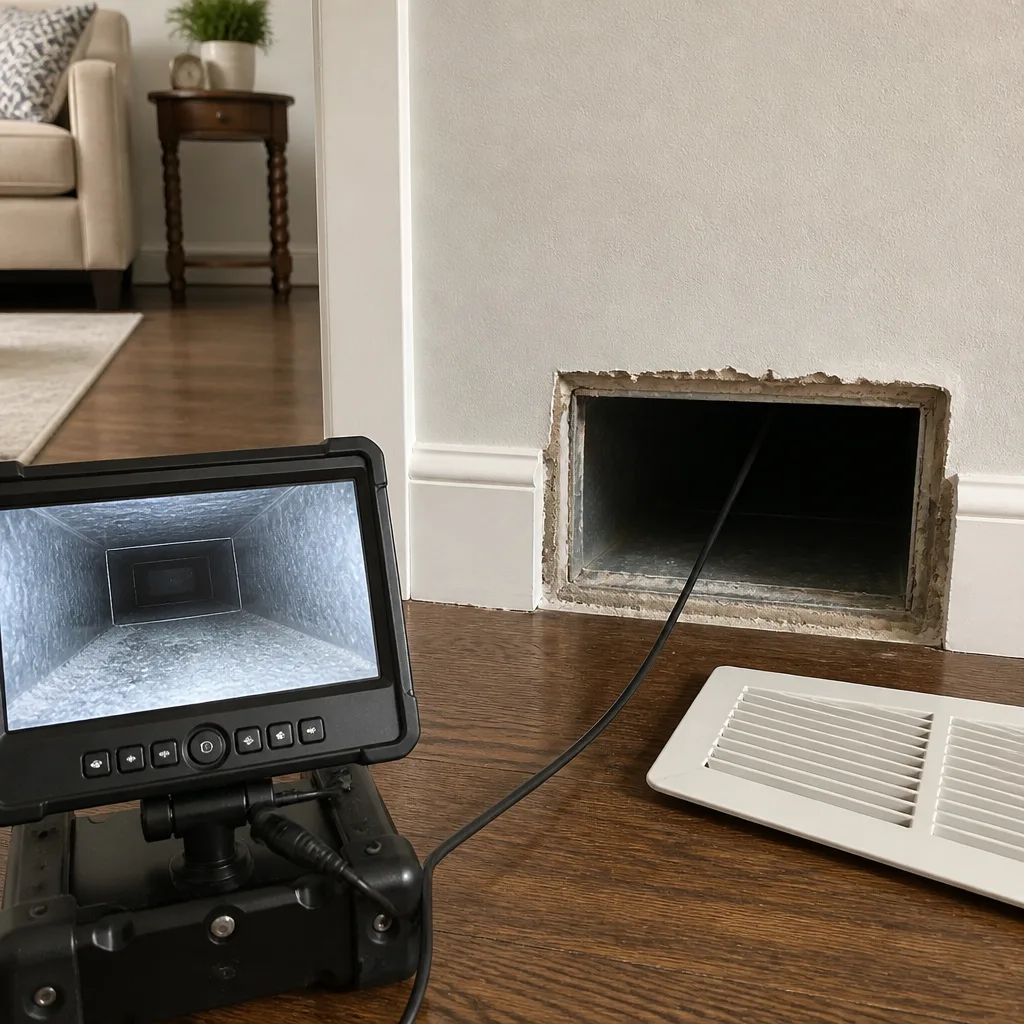 Camera inspection
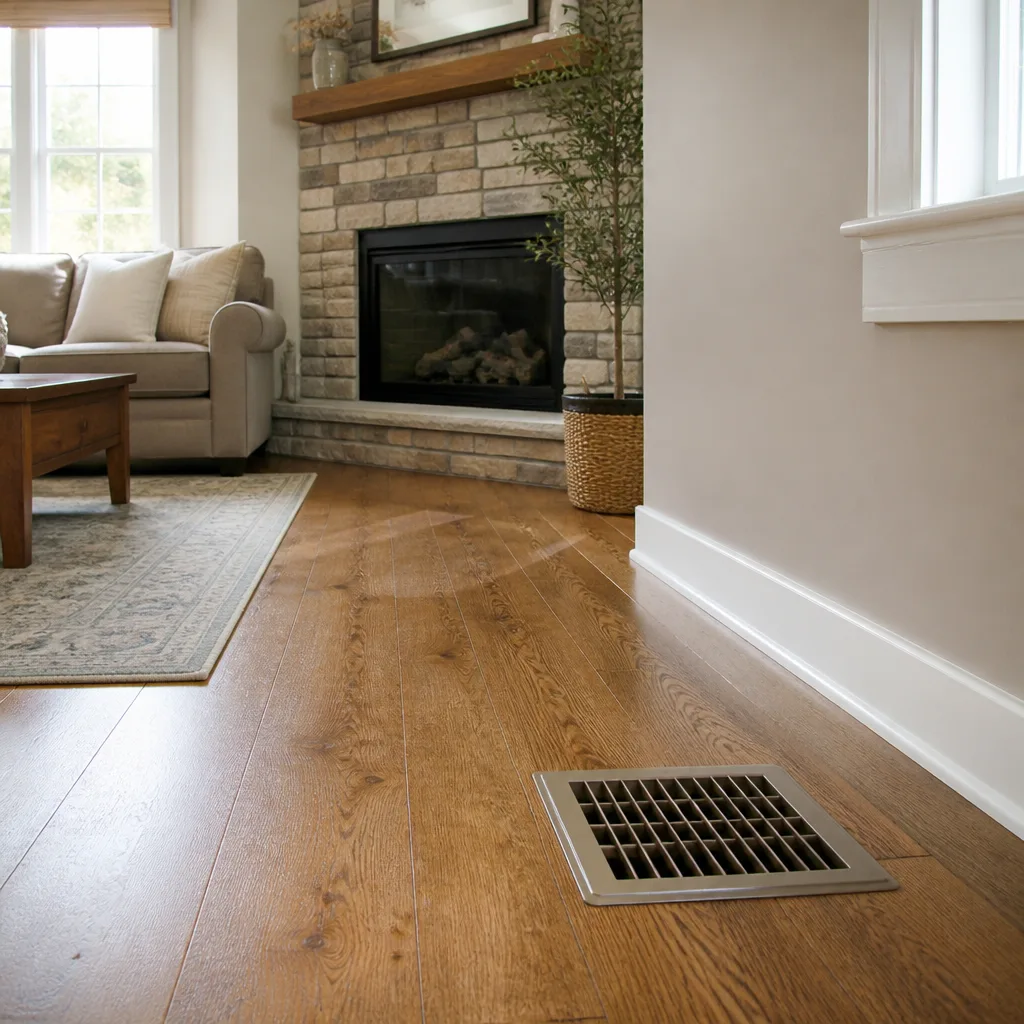 Sanitizing & deodorizing
Whole-system duct and dryer vent check with before-and-after photos - you see exactly what came out of your vents
That "$99 whole-house special" is a bait ad - the real number appears once they are in your hallway, or the "clean" is a shop-vac at the register. We photograph the inside of your ducts before and after instead.
Air Duct Cleaning Troubleshooting in Columbia: Common Problems and How to Fix Them
If your house still smells musty two weeks after a duct cleaning, the technician probably cleaned the wrong part of the system. That sounds harsh, but it’s the most common outcome we see in Columbia: a crew vacuums every branch line, packs up, and leaves the actual problem untouched in the air handler closet or behind a sagging flex duct. Cleaning treats dirt. It does nothing for a disconnected trunk line, a collapsed run, or a drain pan growing biofilm under a coil. This guide teaches you to read your own system before you call anyone, so the next visit fixes the cause and not just the symptom.
Quick Answer
Most air duct cleaning problems in Columbia trace back to one of three root causes: a physical breach in the duct system (disconnected, crushed, or torn flex duct), contamination the cleaning didn’t reach (the air handler drain pan, evaporator coil, or return plenum), or a return-side restriction that no amount of cleaning will fix. A simple register airflow test, plus a close look at your grilles for staining and rust patterns, tells you which one you’re dealing with in about ten minutes. The fix depends on the finding: a repair, a re-clean with proper containment, or an HVAC service call on the coil and drain.
Styles & brands we work with
- Whole-home duct cleaning
- Dryer vent cleaning
- Camera inspection
- Sanitizing & deodorizing
Table of Contents
- Is It Dirty or Is It Broken? The Register Airflow Test
- Why Your House Still Smells After Cleaning
- Uneven Room Temperatures After a Cleaning
- Reading Your Grilles: Stains, Halos, and Rust Streaks
- Return-Side Restrictions and the Plenum Problem
- When the Finding Means Repair, Not Re-Clean
- Columbia Humidity and What It Does Inside Your Ducts
- How to Verify the Work Was Actually Done
Is It Dirty or Is It Broken? The Register Airflow Test
Before you spend money on another cleaning, find out whether your system has a dirt problem or a delivery problem. They look similar from the living room, but they’re completely different jobs. Here’s the test, and it takes one sheet of tissue paper.
- Hold a single-ply tissue against each supply register while the system runs. It should flutter and pull toward the grille on every register in the house.
- Note which registers hold the tissue weakly or not at all. Write them down by room. This list is the most useful thing you can hand a technician.
- Do the same at your return grilles. A return should pull the tissue firmly. A weak return is a separate problem from a weak supply.
- Compare rooms. If one register is dead and the rest are strong, you have a branch-line problem. If every register is weak, the problem is at the air handler, the filter, or the return.
- Check the filter last. A filter loaded with drywall dust from a recent renovation in Columbia will starve the whole system and mimic every symptom in this guide.
The pattern matters more than any single reading. One dead register points to a disconnected or crushed flex run in a wall cavity or attic chase. Weak everywhere points upstream, toward a clogged filter, a failing blower, or an undersized return. Strong everywhere but still dusty points to a cleaning that didn’t reach the plenum. Each of those is a different fix, and only one of them is solved by cleaning.
In our experience, Columbia homes built in the 1970s through 1990s with attic or crawlspace flex runs are the most likely to have a crushed branch line. Flex duct kinks behind a joist, gets stepped on during a later cable install, or sags until the inner liner pinches shut. No vacuum will open it back up.
Why Your House Still Smells After Cleaning
Persistent odor after a duct cleaning almost never comes from the ducts themselves. It comes from the air handler closet: the evaporator coil, the condensate drain pan, or the wet insulation lining the plenum. Air passes over all of it before it ever reaches your branch lines, so a stale or musty smell will keep circulating no matter how clean the ductwork is.
Here’s what usually happens. The coil stays wet through the cooling season. Dust settles on that wet surface and forms a biofilm. The drain pan holds a shallow pool of standing water that never fully drains because the pan is sloped wrong or the drain line is partly blocked. The blower pulls air across all of it and distributes the smell to every room. A crew that only vacuums the ducts leaves the source running all summer.
- Musty, wet-earth smell: usually the drain pan or a wet plenum liner. Ask for the pan and coil to be inspected, not just the ducts.
- Sour or locker-room smell: biofilm on the evaporator coil. This needs coil cleaning by an HVAC technician, not a duct vacuum.
- Dusty, chalky smell that returns within days: the return plenum or the blower cabinet was skipped during cleaning.
- Sharp or chemical smell: stop running the system and have it inspected. That is not a duct-cleaning issue.
When we scope a cleaning, we treat the air handler closet as part of the system, because a duct-only pass leaves the actual source of most odors sitting right next to the ducts. If your smell didn’t change after a cleaning, that’s the part that got missed. You can read more about how a full-system air duct cleaning should be scoped before you book the next one.
Uneven Room Temperatures After a Cleaning
If some rooms got colder or hotter after a cleaning, the cleaning itself didn’t cause it. Something changed in how air moves, and there are three usual suspects: a branch damper knocked out of position, a return-side restriction, or a duct that was already compromised and is now the only thing you notice.
Dampers are the first thing to check. Many Columbia homes have volume dampers in the branch takeoffs near the main trunk. A technician working in a tight attic can bump one closed and never know it. Look for a small lever on the duct near the plenum and confirm it sits where it did before.
Return-side restrictions are more common and less obvious. A system can only deliver what it can pull back. If the return is undersized, partly blocked by furniture, or choked by a filter that’s too dense for the blower, the whole house runs under-delivered. Bedrooms at the end of the longest run feel it first.
- Confirm every supply register is open and unobstructed by furniture, rugs, or curtains.
- Check that return grilles aren’t blocked by a sofa, a bookshelf, or a closed closet door.
- Verify your filter’s rating matches what the blower was designed for. A very high-efficiency filter on an older system can strangle airflow.
- Look at the branch dampers near the plenum for a lever that’s been moved.
- Have the static pressure checked by a technician if the problem persists across the whole house.
Uneven temperatures that existed before the cleaning and still exist after it are not a cleaning failure. They’re a balancing or duct-design problem, and they need a different scope of work. Learning to read how air moves through a Columbia home is often the difference between paying twice for cleaning and paying once for the right repair.
Reading Your Grilles: Stains, Halos, and Rust Streaks
Your grilles are a diagnostic panel. They record what’s been happening behind them for years, and most homeowners never look closely. Take a flashlight and go register by register. What you see tells you where air is leaking and where moisture is collecting.
- Dark streaks radiating from the edges of a grille: bypass air. Air is escaping around the boot instead of coming through the register, pulling dust with it and staining the surrounding drywall or ceiling.
- A gray or black halo on the drywall around a supply: the boot isn’t sealed to the drywall or the duct. That gap is a direct pathway from your attic or wall cavity into the room.
- Rust streaks or water staining on a ceiling grille: condensation. In a humid Columbia summer, a cold supply boot with poor insulation sweats, and the water finds the grille.
- Fuzzy dark growth on the grille face or the boot behind it: moisture plus organic dust. This is the one finding worth acting on quickly, because it means the surface stays wet long enough to support growth.
- Clean grille with a dirty boot behind it: the last cleaning wiped the visible face and skipped the boot.
Snap a photo of any register that shows streaking, halo staining, or rust. Those photos do two things: they help a technician locate the leak in minutes, and they give you a before-and-after record to compare against the after photos from the next cleaning. We take before-and-after photos of a homeowner’s own ducts and grilles as standard practice, because the alternative is asking you to take our word for it.
Return-Side Restrictions and the Plenum Problem
The return side of your system is the half nobody talks about, and it’s where a large share of Columbia airflow complaints originate. A return plenum is the sheet-metal or ductboard box that connects your return grilles to the air handler. Dust, pet hair, and construction debris collect there and stay put through a supply-side-only cleaning.
Here’s the test. A healthy system pulls roughly as much air back as it delivers out. If your returns feel weak compared to your supplies, or if the system whistles at a return grille, you have a restriction. Common causes:
- A return grille sized too small for the blower, common in homes where a system was upsized without resizing the return.
- Filter grilles that use a dense filter and choke the return.
- A return chase that runs through a hot attic and gains heat before the air ever reaches the coil.
- Debris sitting in the plenum floor that reduces the effective opening.
When the plenum itself is contaminated, cleaning it properly takes containment. That means negative pressure and HEPA filtration so particulate doesn’t migrate into the living space while it’s being disturbed. We use Abatement Technologies filtration equipment on-site precisely for this reason, because a plenum full of debris is the worst possible thing to loosen without containing it.
If your return plenum or a branch line is the problem, cleaning alone won’t solve it. This is exactly where Stallion Air Duct Cleaning splits from a one-pass vacuum crew: we repair what others only clean around. A sealed, correctly sized return is a repair, and it’s often the single change that evens out temperatures across a house.
When the Finding Means Repair, Not Re-Clean
Some findings can’t be fixed by cleaning again. If your register test showed a dead branch, if a grille halo pointed to a disconnected boot, or if a duct run is visibly crushed, you need repair work, and re-cleaning will just repeat the same result.
Here’s how to tell the difference:
- One dead register, strong everywhere else: branch-line breach. Needs a repair, not a clean.
- Visible tear, kink, or separation in flex duct: repair or replacement of that run.
- Boot disconnected from the duct or the drywall: sealing and reattachment.
- Return plenum contaminated or undersized: clean with containment, then correct the sizing or seal.
- Ducts tested fine and registers are strong, but dust returns: cleaning scope problem. The air handler or plenum got skipped.
Repair scope typically includes locating the breach, replacing or reconnecting the affected run, sealing the boot to the duct and the drywall, and confirming airflow at the register after the work. That’s a different job from cleaning, and it’s the one most homeowners actually needed the first time. Our dryer vent cleaning work runs on the same principle: find the restriction, fix it, then verify the flow.
When a repair is done right, your register test tells you so. The tissue pulls at every grille, the noisy one goes quiet, and the room that never got cool finally does. That’s the check we want homeowners doing after any job, ours included.
Columbia Humidity and What It Does Inside Your Ducts
Mid-Atlantic summers are hard on ductwork. High outdoor humidity means the air handler’s coil condenses a lot of water, and any duct surface that runs colder than the surrounding air will sweat. In a Columbia attic that swings from cool nights to humid days, that condensation is constant. The consequences show up in the duct system, not just at the coil.
Wet insulation on the inside of a duct liner is the worst version of this. It holds moisture, collects dust, and stays damp, and it can’t be cleaned back to dry. If a section of ductboard or lined flex is saturated, replacement is the honest answer. Similarly, a supply boot with missing or compressed insulation in an unconditioned attic will sweat and stain the ceiling below it, which is exactly the rust streak you may have spotted on a grille.
Filtration and moisture control work together here. We work with the same IAQ brands your HVAC installer trusts, including Honeywell and Aprilaire, and that familiarity is useful when the fix for a moisture problem is a better filter setup or a whole-home dehumidification add-on rather than another cleaning. A cleaning removes what’s there. It doesn’t change the conditions that put it there.
If you’re managing a rental property in Columbia, this matters even more, because a moisture problem that goes unaddressed through a summer becomes a repair and a remediation problem. Catching it at the grille stage, before the ceiling stains, is the cheaper path every time.
How to Verify the Work Was Actually Done
You don’t have to take any contractor’s word for it. Verification is straightforward if you ask for the right things before and after the job. Here’s what to request, and what to check yourself.
- Before-and-after photos of your own ducts, plenum, and air handler closet. Not stock photos, not photos of someone else’s system. Yours, with the same angle before and after.
- A register airflow check after the work. Run the tissue test at every supply and return yourself. You’ll know within a minute if the job changed anything.
- A written scope before the work starts. It should list the plenum, the branch lines, the boots, and the air handler closet, because those are the four places most cleanings skip.
- A single flat price agreed in advance. One price for the system, not a per-vent charge that grows as the crew finds more vents.
- Containment equipment on-site. Ask what filtration the crew uses. Professional rotary-brush and negative-pressure equipment, like the Rotobrush and Nikro systems built specifically for duct cleaning, looks different from a shop vacuum and a hose.
- A grille check afterward. Any grille boot that was wiped should look clean behind the face, not just on it.
The difference between a documented job and a quick pass is usually obvious within a week. If dust settles back on your furniture at the same rate as before, the source wasn’t addressed. Compare that against the after photos and the register test, and you’ll have a clear answer.
Common Mistakes to Avoid
- Cleaning before diagnosing. A homeowner calls for a cleaning when the real issue is a crushed flex run in the attic. The cleaning happens, the room stays hot, and the same call gets made twice. Run the register test first, every time.
- Choosing a per-vent price. Per-vent pricing rewards the crew for finding vents, not for cleaning the system. Ask for one flat price for the whole system, agreed before work starts.
- Assuming a musty smell after cleaning is a cleaning failure. In Columbia’s humid summers, that smell usually lives in the drain pan or on the coil, not in the ducts. Ask for those to be inspected.
- Skipping the return plenum. The return side collects as much debris as the supply side and gets skipped in most quick cleanings. Confirm it’s in the written scope.
- Ignoring rust streaks and halos at the grilles. Those stains are a map of where air is leaking or condensing. Photograph them and hand the photos to the technician.
- Trusting a cleaning with no documentation. No before-and-after photos of your own system means no way to verify. Ask for both before work starts.
- Re-cleaning a duct that needs a repair. A collapsed or disconnected run is a repair scope. Cleaning it again just re-dirties the same closed loop.
See the difference
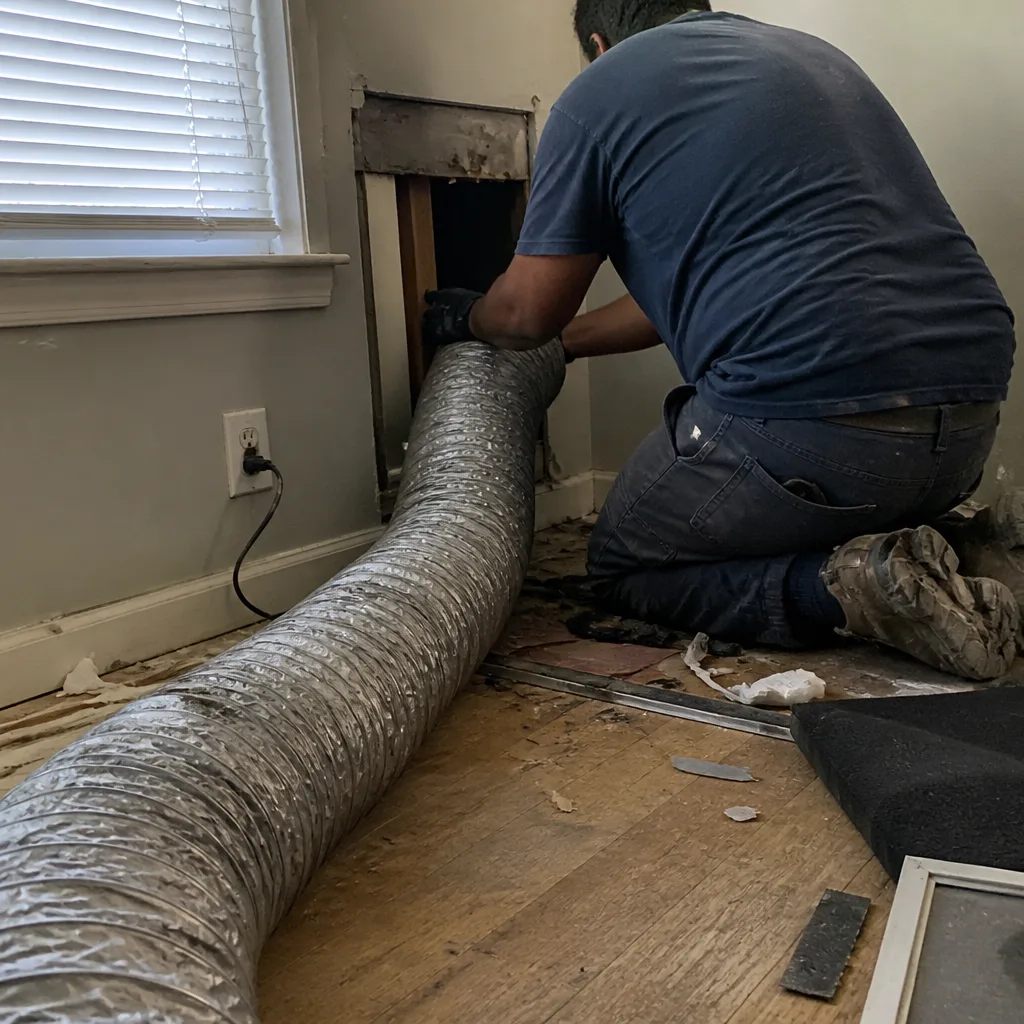 Before
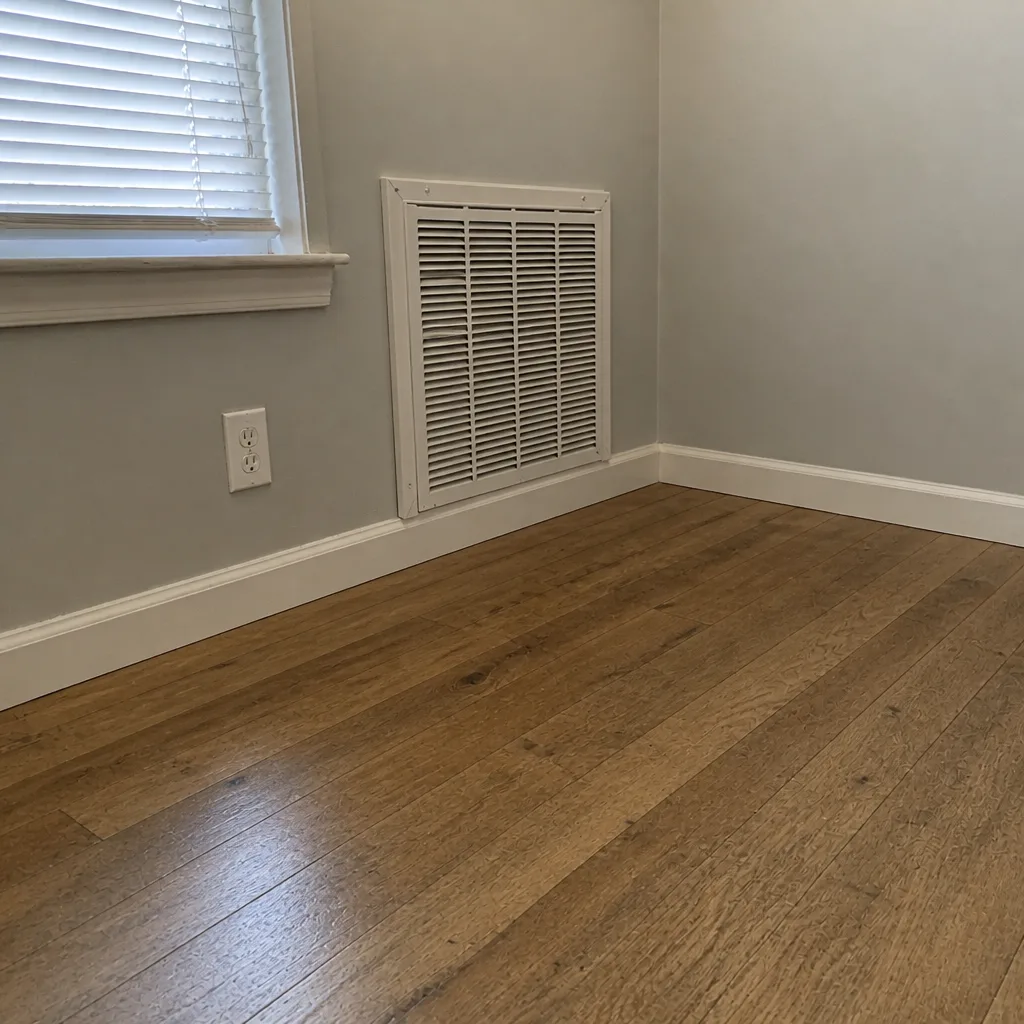 After
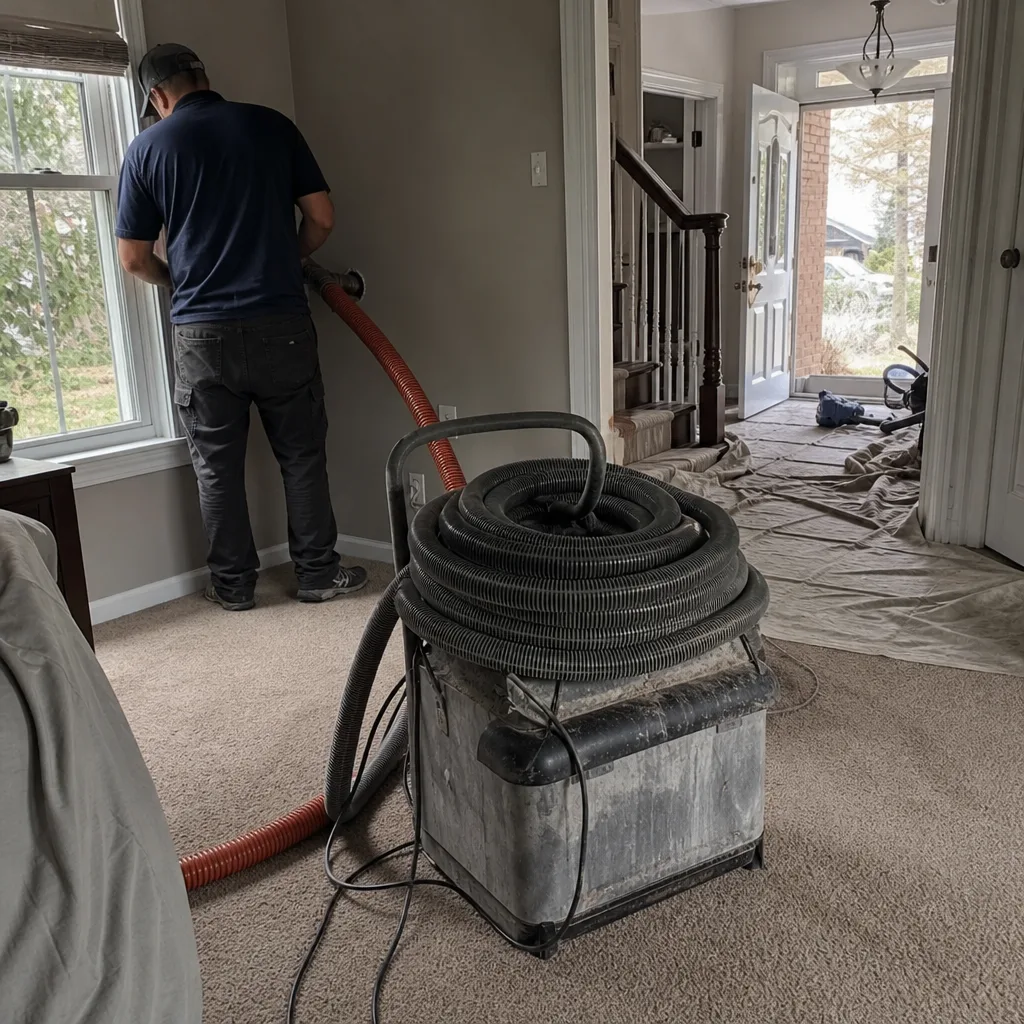 Before
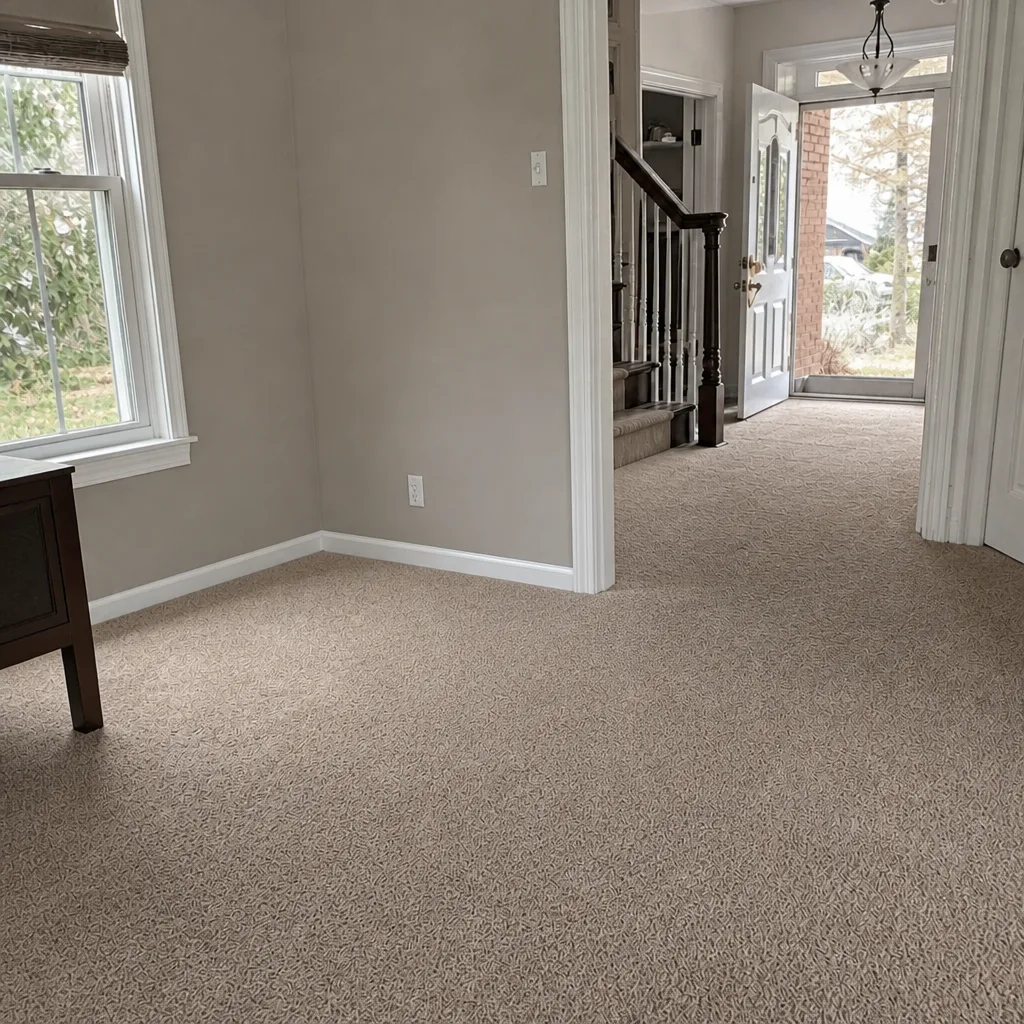 After
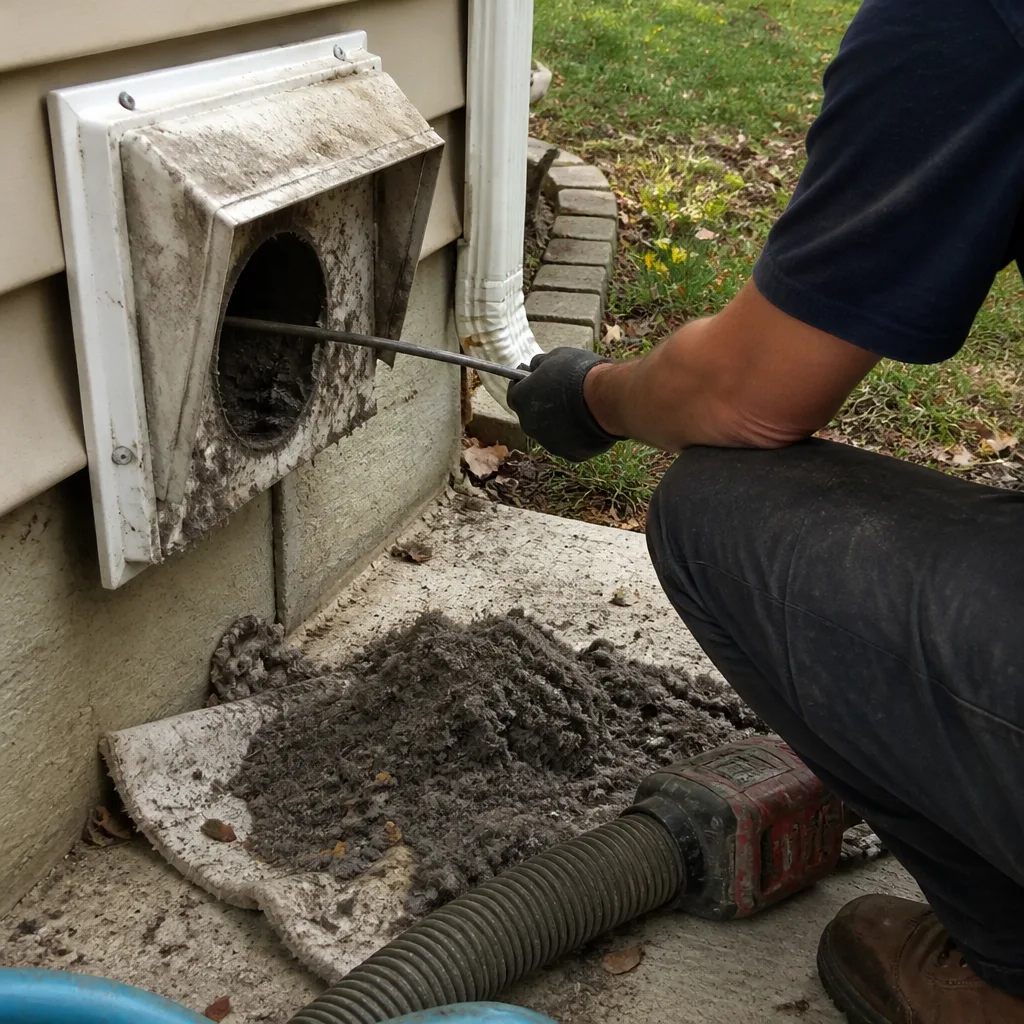 Before
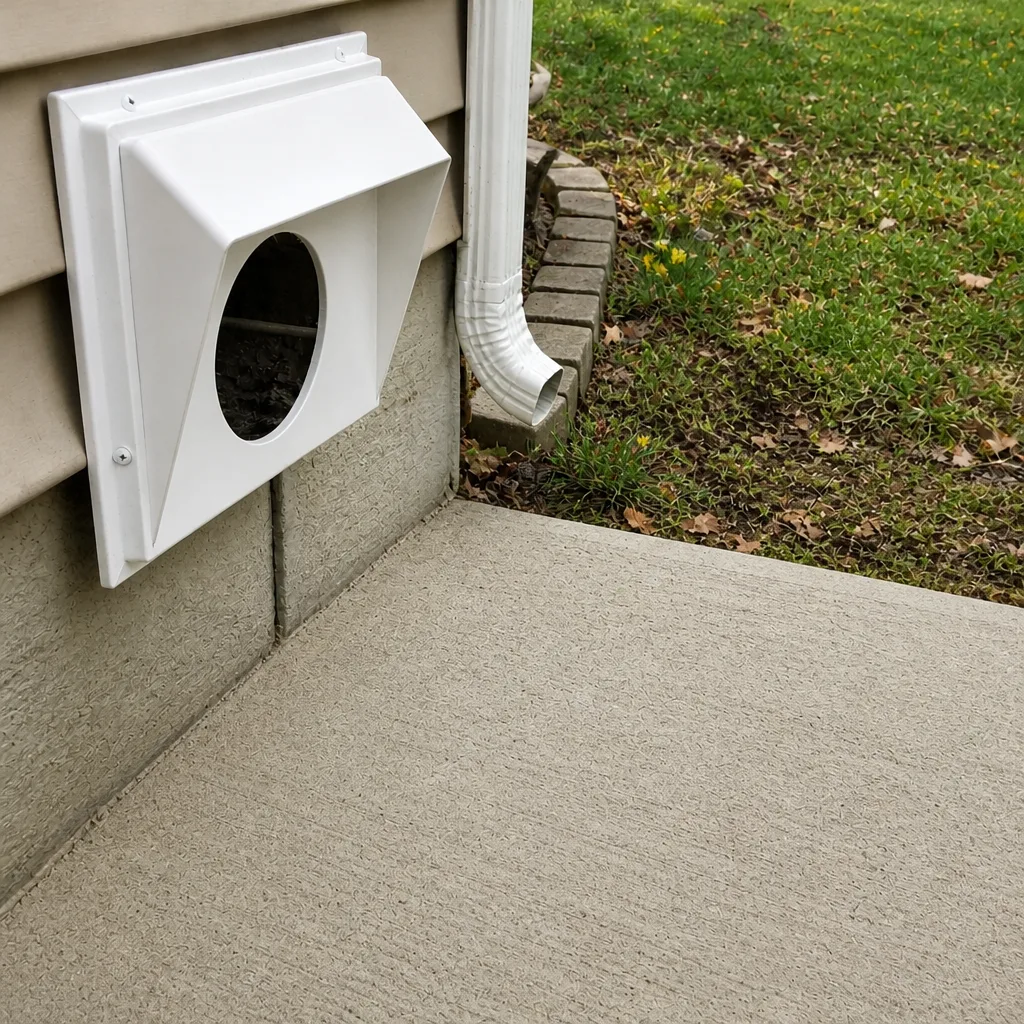 After
When to Call a Professional
Call when the register test shows a dead branch and you can’t trace the duct run, when you see fuzzy growth or moisture staining at any grille, or when a musty smell persists after the drain pan and coil have been checked. Call also when a return plenum needs cleaning with containment equipment, since loosening debris there without HEPA filtration spreads it through the house. If you’ve had a cleaning in the last year and the same problems came back, that’s a scope or diagnosis failure, and it’s worth a second look before you spend again. Stallion Air Duct Cleaning offers free estimates in Columbia – call (866) 643-6070. We answer 24/7. Fast dispatch from 7am to 7pm, Sunday through Friday.
Frequently Asked Questions
Whole-system cleaning is priced per job by a written estimate, and the estimate is free. The price depends on the size of the system, the number of branch runs, whether the plenum and air handler closet are included, and whether any repair is needed. You’ll get one flat price for the system before work starts, not a per-vent charge, and the written estimate sets the final price. Call (866) 643-6070 for an exact quote – estimates are free.
Cheap quotes usually cover a supply-side vacuum pass and skip the return plenum, the boots, and the air handler closet, which are the three places contamination actually collects. The low figure is also often per-vent, so it grows as the crew walks the house. Ask what’s in the scope and what equipment is used before you compare numbers. Call (866) 643-6070 and we’ll walk through what a full-system scope includes.
Ask for before-and-after photos of your own ducts, plenum, and air handler closet, then run the tissue test at every register after the crew leaves. A complete job changes the reading at the grilles. We take before-and-after photos of your own system as part of the job, so there’s a record to check. Call (866) 643-6070 to book an estimate.
Most Columbia homes don’t need it on a fixed schedule. Clean when there’s evidence: visible debris at the registers, a renovation that generated dust, a musty smell that inspection traces to the ducts, or a new-to-you home with an unknown service history. If a crew tells you it’s needed every single year without a reason, ask what the reason is. Call (866) 643-6070 for a free assessment.
The most likely answer is that the smell source was never the ducts. The condensate drain pan or the evaporator coil is the usual culprit, and a duct-only cleaning leaves both untouched. Ask for the drain pan and coil to be inspected, and confirm the return plenum was in scope. Call (866) 643-6070 and we’ll help you sort out which part of the system was missed.
Yes, and it’s usually a branch-line breach, a closed damper, or a return-side restriction rather than dirt. A single dead register with strong flow everywhere else points to a disconnected or crushed flex run. A whole-house imbalance points to the return. Cleaning won’t fix either. Call (866) 643-6070 for an estimate and we’ll test the system before recommending work.
The Bottom Line
Most duct problems in Columbia aren’t cleaning problems. They’re diagnosis problems, and the fix starts with a tissue at every register, a flashlight at every grille, and a written scope that includes the plenum and the air handler closet. If a cleaning left your house smelling musty or a room still running hot, the source was missed, not removed. A repair on a crushed run or a disconnected boot often costs less than a second cleaning and actually solves the problem. Run the test, photograph what you find, and get one flat price in writing before any work starts. Then check the grilles again afterward.
Call (866) 643-6070. We answer 24/7. Fast dispatch from 7am to 7pm, Sunday through Friday. Estimates are free.
Written by the team at Stallion Air Duct Cleaning.