
Last updated November 14, 2026
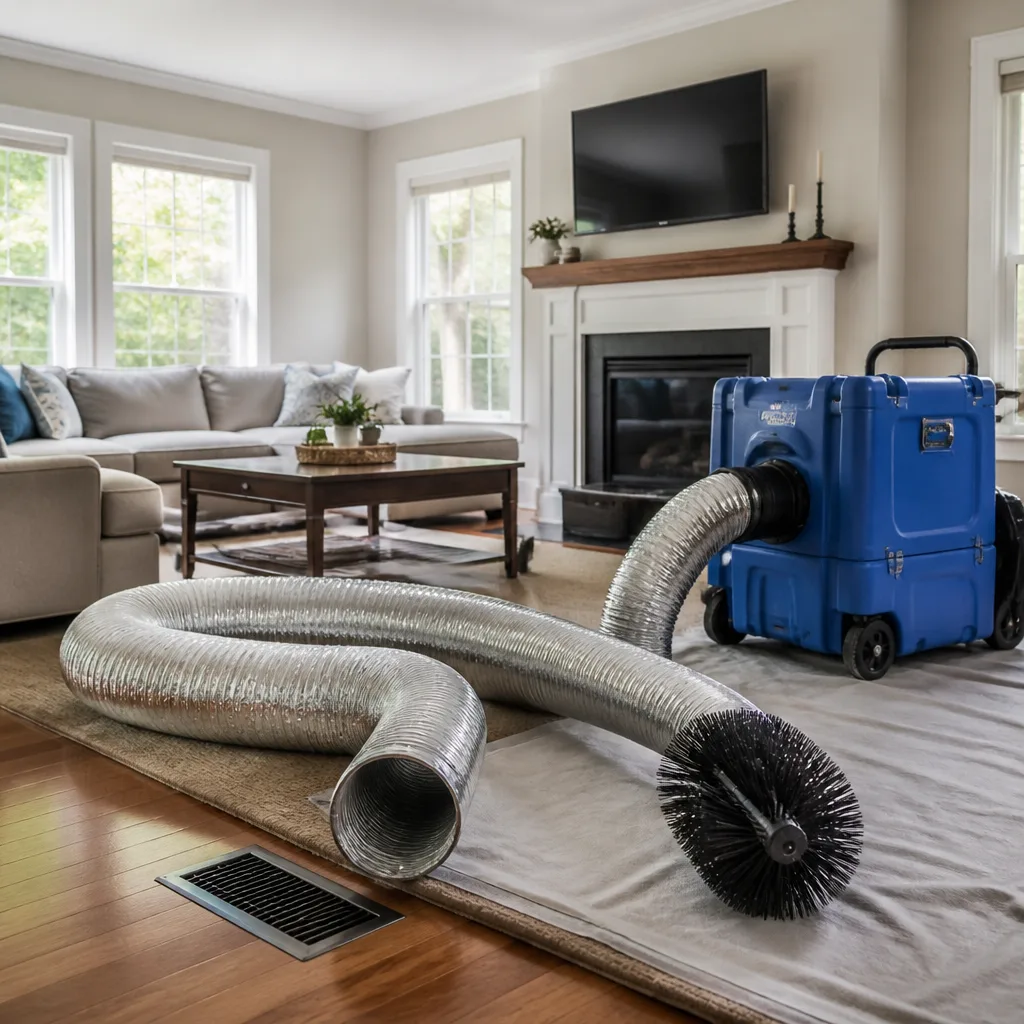 Whole-home duct cleaning
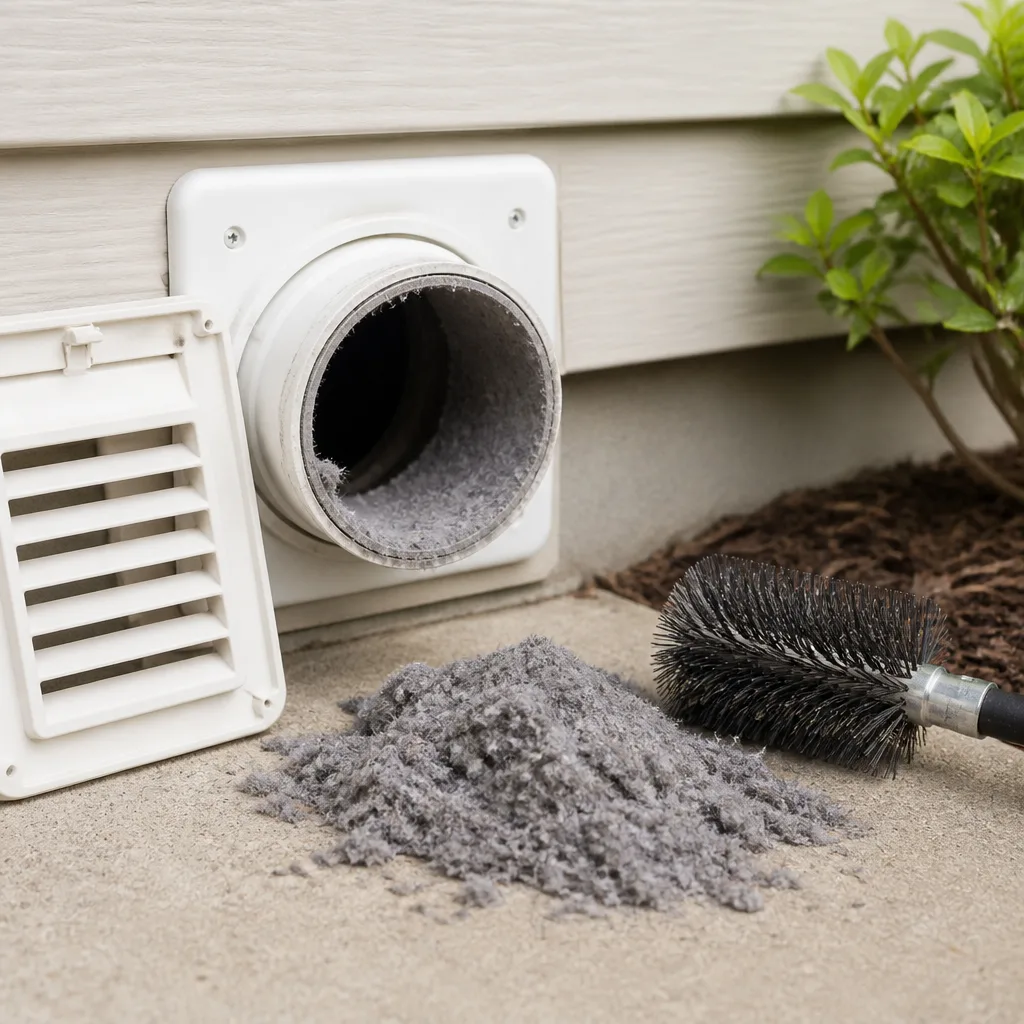 Dryer vent cleaning
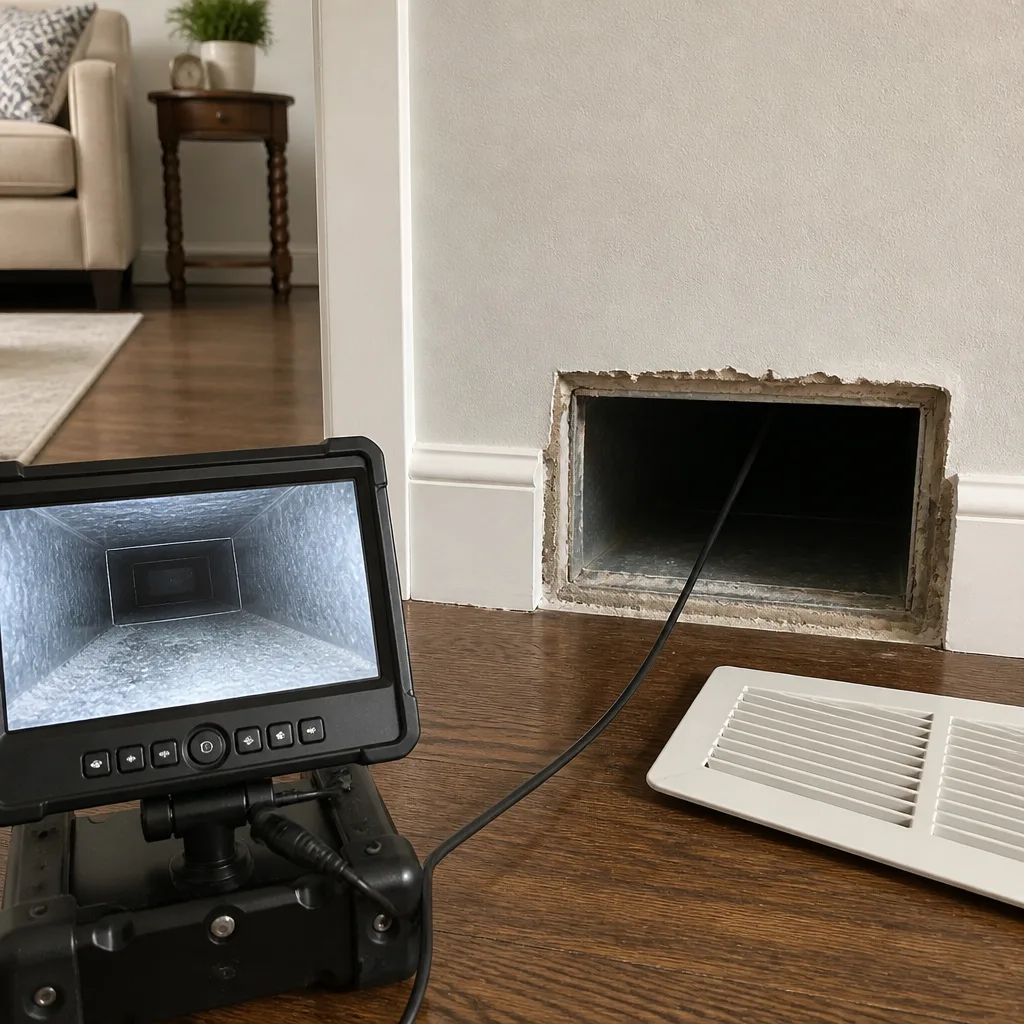 Camera inspection
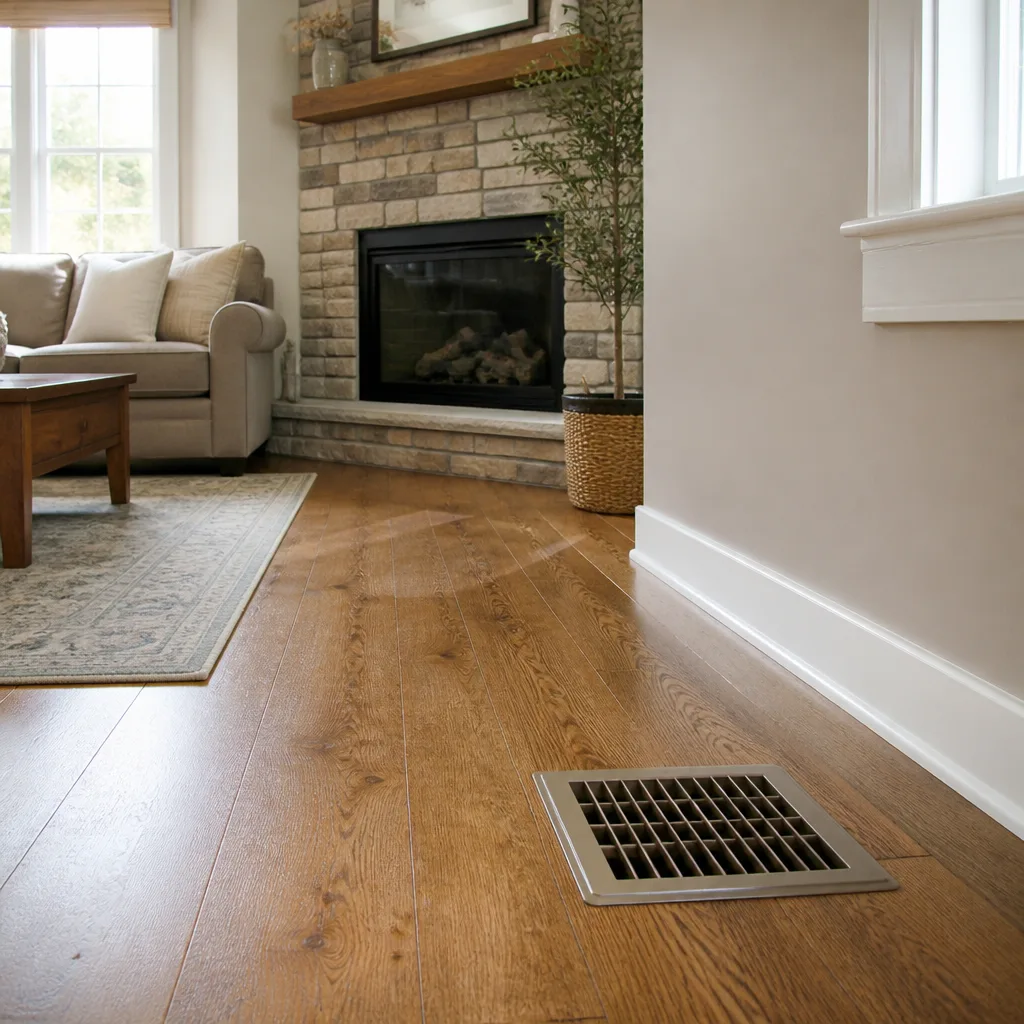 Sanitizing & deodorizing
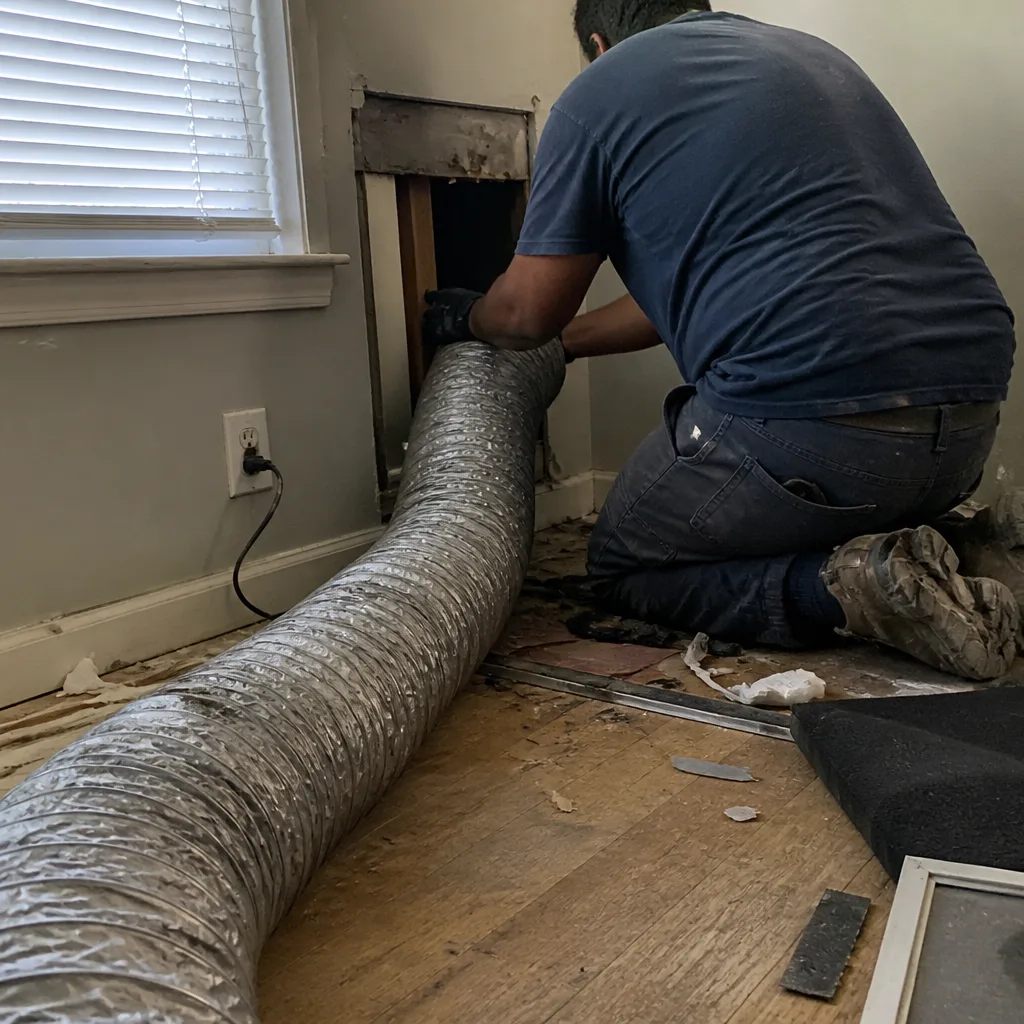
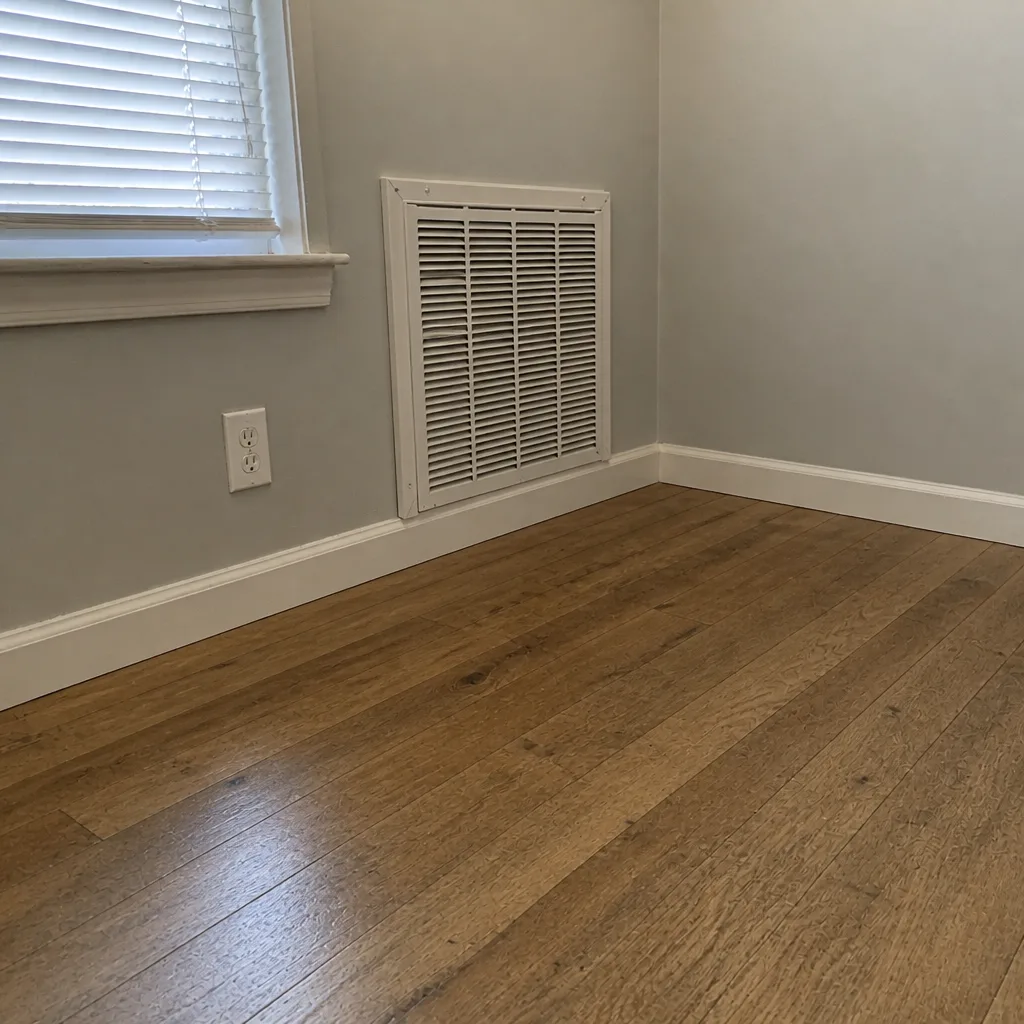
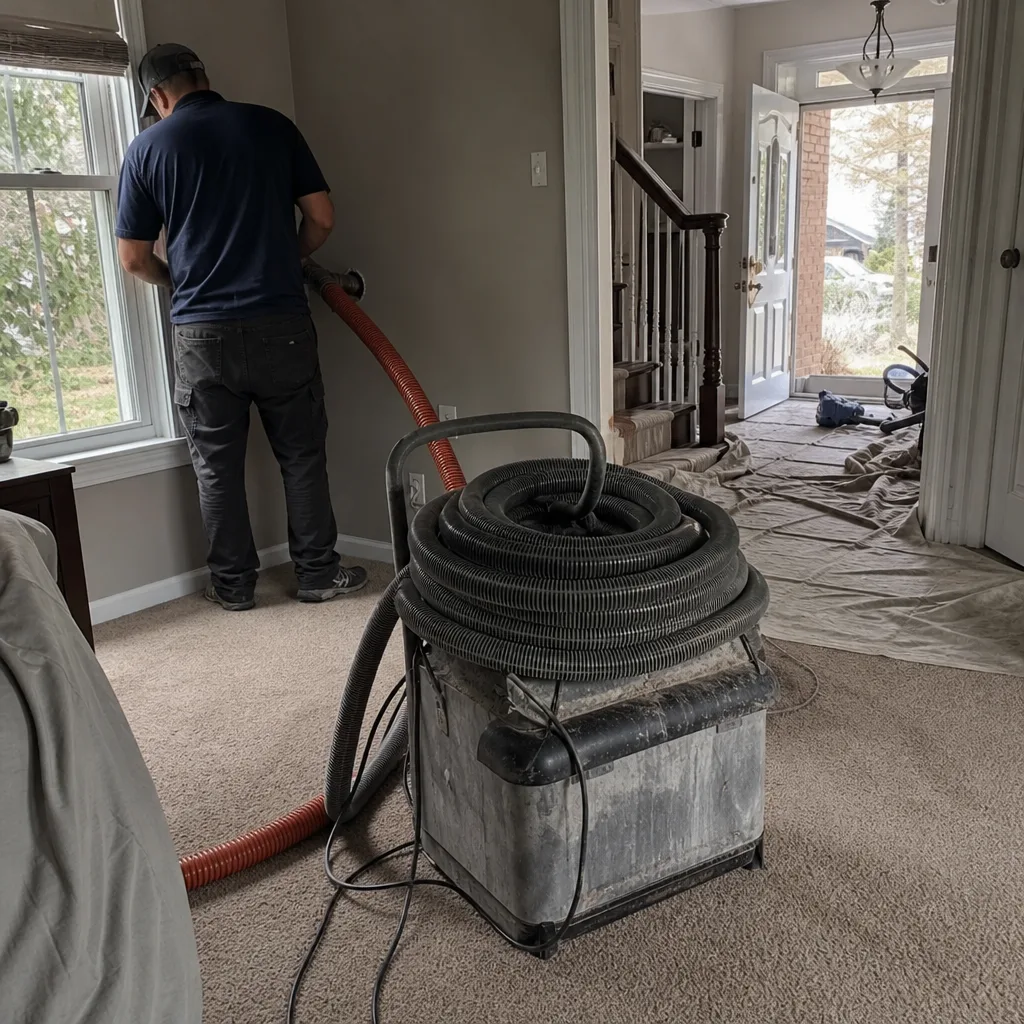
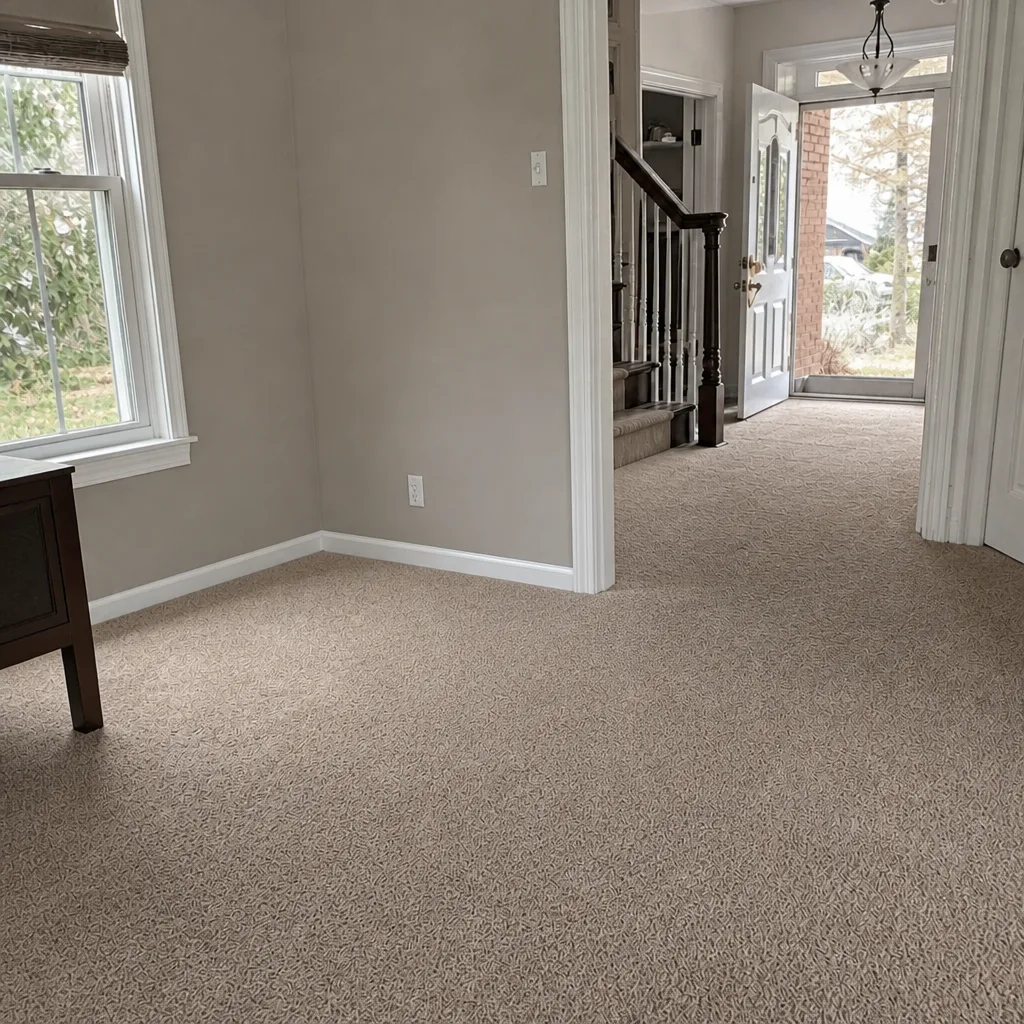
Whole-system duct and dryer vent check with before-and-after photos - you see exactly what came out of your vents
That "$99 whole-house special" is a bait ad - the real number appears once they are in your hallway, or the "clean" is a shop-vac at the register. We photograph the inside of your ducts before and after instead.
Air Duct Cleaning Permits, Codes & Inspections in Columbia, MD: What You Need to Know
If a technician patches a disconnected duct run during your cleaning visit and doesn’t mention a permit, the fix may be real, but it’s also invisible to Howard County’s mechanical inspection record. That’s the gap most homeowners never hear about. Cleaning a duct system isn’t a permitted activity in Maryland, yet the second someone cuts, replaces, or reconfigures ductwork, the job crosses into regulated mechanical work. This guide explains exactly where that line sits in Columbia, MD, what Howard County’s permitting office actually cares about, and how to check whether work on your home was done on the record before you sell it. We’ll walk through the code logic, the sealing question, inspections, and the resale problem that catches people off guard.
Quick Answer
Routine air duct cleaning in Columbia, MD does not require a permit. Mechanical alterations to ductwork, such as adding, removing, or relocating runs, changing duct size, or replacing significant sections, fall under the mechanical code Howard County has adopted and typically do require a permit through the Department of Permitting, Inspections and Enforcement. Simple sealing of existing joints with mastic or metal tape is usually treated as maintenance, not a mechanical alteration. When in doubt, the county’s permitting office is the authority, and a written scope of work from your contractor is the document you want before anything gets cut.
Styles & brands we work with
- Whole-home duct cleaning
- Dryer vent cleaning
- Camera inspection
- Sanitizing & deodorizing
Table of Contents
- Do You Need a Permit for Air Duct Cleaning in Maryland?
- Where Cleaning Ends and Mechanical Work Begins
- Does Duct Sealing Need a Permit?
- Howard County DPIE and How to Verify a Contractor
- What a Mechanical Inspection Actually Checks
- Energy Audits and HERS Ratings When Ducts Change
- Selling a Columbia Home With Unpermitted Duct Work
- Common Mistakes to Avoid
Do You Need a Permit for Air Duct Cleaning in Maryland?
No. Cleaning the inside of an existing duct system is maintenance, not construction, and no permit is issued for it in Columbia or anywhere else in Howard County. You’re removing accumulated dust, debris, and biological film from a system that already exists. Nothing about the system’s layout, capacity, or mechanical function changes. No inspection is triggered, no record is created, and the county has no stake in the transaction.
This is the part homeowners usually get right without thinking about it. What they get wrong is assuming the same no-permit logic covers everything a technician might do while on site. It doesn’t. The moment the work shifts from cleaning to altering, the regulatory picture changes.
Here’s the practical split for a typical Columbia home, whether it’s a townhouse near Town Center or a single-family house out toward Clarksville:
- Cleaning: rotary brushing, negative-pressure vacuuming, sanitizing an existing system. No permit.
- Sealing existing joints: mastic or approved metal tape over an accessible leak. Generally maintenance.
- Minor reconnection: reattaching a boot that has slipped off a register or resecuring a flex run to its collar. Usually treated as a repair.
- Adding a new run or register: new ductwork, permit territory.
- Relocating or resizing a run: changes the system’s balance and capacity, permit territory.
- Replacing a large section of trunk or branch duct: mechanical work, permit territory.
- Modifying the system for an addition or finished basement: definitely a permit, and usually multiple trades.
If you’re planning air duct cleaning and you suspect the system has physical damage, ask the contractor before the visit how they categorize repairs in writing. A company that can articulate the difference is a company that understands the code. Call (866) 643-6070 for a free estimate and a clear scope.
Where Cleaning Ends and Mechanical Work Begins
The line isn’t a number in a code book. It’s a judgment about whether the work changes the system as designed and permitted. Maryland’s jurisdictions, including Howard County, build their mechanical rules on the International Residential Code framework, and that framework governs installation. Cleaning doesn’t touch installation. Alteration does.
In our experience, the clearest way to think about it is this: if a mechanical inspector would need to see the work to confirm it was done to code, it probably needs a permit. Nobody inspects a vacuumed duct. Somebody does inspect a new branch run tapped into a trunk line.
Three questions settle most cases:
- Does the change affect airflow design? A new register, a resized run, or a relocated boot changes how the system distributes air. That’s design, and design is permitted work.
- Is new material being introduced into the system? A fresh run of duct, a new plenum connection, or a replacement section of trunk is installation work. A patch on an existing seam is not.
- Is the fix addressing a failure or improving the system? Restoring a disconnected duct to its original position is a repair. Reconfiguring the layout to improve comfort is a modification.
There’s a real homeowner-protection reason behind the distinction. Unpermitted mechanical work doesn’t announce itself. It sits in the walls and ceilings doing its job until a home inspector, an insurance adjuster, or a buyer’s contractor notices something doesn’t match the record. A permit creates a paper trail. Its absence creates a question mark.
If you’re dealing with a system that’s physically broken, not just dirty, that’s a different service than cleaning. Duct repair exists precisely because contamination and structural failure are two separate problems, and Stallion Air Duct Cleaning handles both without treating one as a substitute for the other.
Does Duct Sealing Need a Permit?
Usually not, and that’s true more often than homeowners expect. Sealing an accessible leak with mastic or approved metal tape is maintenance in most cases, because you’re restoring the system’s existing performance rather than changing it. Howard County’s mechanical review is concerned with installation and alteration. A sealed joint is neither.
The question gets more complicated when the sealing is extensive. Consider where the line tends to blur:
- Spot sealing on accessible joints: nearly always maintenance. No permit.
- Sealing an entire accessible trunk line in an unfinished basement: still generally maintenance, since nothing is being reconfigured.
- Sealing combined with a run being added or moved: the alteration drives the permit, not the tape.
- Sealing as part of a duct redesign for a renovation: permit territory, because the system is being changed.
- Sealing tied to an energy upgrade that claims a performance improvement: depends on whether the upgrade involves physical alteration. Sealing alone, generally no. Resizing or re-routing, generally yes.
One honest caveat: sealing work that’s tucked inside walls or above ceilings can’t be inspected after the fact, so some contractors will pull a permit for larger sealing scopes simply to protect the homeowner. That’s a judgment call, not a code requirement. If your contractor proposes a permit for sealing only, ask why. If the answer is “because it’s a large scope and I want it documented,” that’s a reasonable answer. If the answer is vague, ask for the scope in writing.
What you should never accept is a crew using tape to close off a duct opening entirely to “fix” a pressure problem. Blocking a duct is a modification, not a seal, and it’s the kind of shortcut that shows up on an inspection report years later. A trained technician tests static pressure and airflow before deciding what sealing will actually accomplish. A repurposed shop vacuum and a roll of foil tape won’t. Purpose-built equipment like Rotobrush or Nikro systems tells you before and after what the system is doing, which is why it matters for a job like this in Columbia.
Howard County DPIE and How to Verify a Contractor
Howard County’s Department of Permitting, Inspections and Enforcement, usually just called DPIE, is the office that issues mechanical permits and runs inspections for work in Columbia and throughout the county. If you need to know whether a specific job needed a permit, or whether one was pulled, DPIE is where the answer lives. Most counties maintain a searchable permit portal; Howard County’s online tools let you look up permits by address or by contractor.
That’s the tool most homeowners never use. Here’s how to put it to work before you hire:
- Ask for the contractor’s Maryland license number. Home improvement contractors in Maryland are licensed through the state. Ask for the number and check it against the state’s licensing database. A contractor who hesitates here is telling you something.
- Ask how the company handles permits. The right answer is specific: they pull the permit when the scope requires it, they schedule the inspection, and they give the homeowner the permit number. The wrong answer is “we don’t need permits for this kind of work” said before anyone has looked at your system.
- Look up the contractor in DPIE’s portal. If a company has pulled permits in Howard County before, the record exists. A contractor with no pull history at all isn’t automatically a problem, but a contractor with a history of failed or expired inspections is worth a second look.
- Get the scope in writing. Before work begins, you should know exactly what will be cleaned, sealed, repaired, or replaced, and which of those items require a permit. A written scope is the document that protects you in a dispute.
- Ask who pulls the permit. On a job that requires one, the licensed contractor is generally the party responsible. If a company suggests you pull the permit yourself as the homeowner, ask them why.
For a cleaning-only job, none of that permit legwork applies. But if a technician on site recommends a repair you didn’t schedule, treat it the way you’d treat any unscheduled mechanical work: ask whether it requires a permit, get the answer in writing, and don’t let the discussion happen only in the hallway. Stallion Air Duct Cleaning works with homeowners across Columbia on exactly this kind of scope clarity, and we’ll tell you plainly when the work we’re proposing is maintenance and when it’s something that belongs in front of DPIE.
What a Mechanical Inspection Actually Checks
A mechanical inspection on duct work is not about cleanliness. An inspector arriving for a permitted duct job is verifying that the installation matches the approved plans and the mechanical code. They’re not checking whether your ducts are dusty. They’re checking whether the system you paid to have modified was modified correctly.
What that means in practice:
- Materials: the duct material, sealants, and connections meet code requirements for the application.
- Support and routing: new ductwork is properly supported and routed as approved.
- Sealing: joints on new work are sealed to the standard the code specifies.
- Connections: transitions between duct sections, and connections to equipment, are secure.
- Clearances: required clearances from combustibles and mechanical equipment are maintained.
- Equipment match: the alteration doesn’t exceed what the existing equipment can support.
- Layout compliance: the finished configuration matches the permitted plan.
An inspection can be scheduled, and if it fails, corrections have to be made and reinspected. That’s the value of the permit in one sentence: somebody with no financial interest in the outcome confirms the work was done the way it was supposed to be done. Cleaning doesn’t produce any of that, and it doesn’t need to. A duct repair, if it modifies the system, can.
If you’re in Columbia and your home is under contract or heading that way, a mechanical inspection record is a small thing that can save a large conversation. It shows a buyer’s contractor exactly what was done, by whom, and when.
Energy Audits and HERS Ratings When Ducts Change
If you’re pursuing efficiency upgrades, ductwork often ends up in the conversation because leaky ducts are one of the most common reasons a house underperforms its insulation. A home energy audit or a HERS rating performed by a qualified rater involves a blower door test and duct leakage measurement, and the report identifies where conditioned air is escaping.
That’s useful information. The trick is understanding what the report does and doesn’t authorize. A test tells you what’s wrong. It doesn’t change the permitting question. If the recommended fix is resealing accessible joints, that’s maintenance. If the recommended fix is re-routing or resizing ductwork to improve distribution, that’s an alteration and it goes through the permit process.
A few things worth knowing before an audit turns into a work order:
- The test results are pre-work. A rater measures the existing system. Whatever happens next is a separate scope, and the permit question should be answered for that scope.
- Documentation is the whole point. If the work is being done for an efficiency reason, you want the before-and-after numbers in writing. That’s separate from the permit, but the two belong in the same folder.
- Material choices matter for code. Duct sealing materials and their approval for the application isn’t a cosmetic choice. A contractor who can name the product and its intended use is different from one who can’t.
- IAQ upgrades are their own conversation. If you’re considering a filtration upgrade alongside the duct work, systems from Honeywell or Aprilaire are designed to integrate at the equipment, and the duct impact is real. Ask how the upgrade interacts with the duct layout before anyone touches it.
We regularly see Columbia homes where the ductwork is the weak link in an otherwise well-performing envelope. Cleaning, sealing, and IAQ improvements all touch the same system, which is why we approach the whole ventilation footprint rather than treating one duct run as an isolated problem. That includes dryer vent cleaning, which shares a house but has its own code and safety considerations.
Selling a Columbia Home With Unpermitted Duct Work
The most expensive place an unpermitted duct modification can surface is a home sale. A buyer’s inspector walks the house, sees a duct run that doesn’t belong, finds no permit record at DPIE, and the question goes into the report. It doesn’t mean the work is unsafe. It means it’s undocumented, and in a contract negotiation that’s a serious problem.
Resolution depends on the age and condition of the work. Here’s how it usually goes:
- Identify what was done. An inspector or contractor documents the alteration, including materials, routing, and connections.
- Check whether it needed a permit. If the work was cleaning or sealing only, no permit was required and the record question is a non-issue. That’s a conversation you can have calmly with the buyer.
- If it needed a permit and didn’t have one, talk to DPIE. Late permits exist. The county can advise on how to bring unpermitted work into compliance, and that path is generally easier to navigate before closing than after.
- Get the work inspected. If the alteration was done correctly, an inspection confirms it. If it wasn’t, corrections get made.
- Keep the paperwork. The permit and inspection record should go with the house docs, alongside the resale package. Buyers and their agents respond well to a clean paper trail and poorly to a shrug.
If you’re planning to list a Columbia property and you know the system has been modified, it’s worth a look at the DPIE record before a buyer’s inspector finds something you didn’t know about. That’s not a scare tactic. It’s an hour of research that can prevent a renegotiation.
Common Mistakes to Avoid
- Assuming cleaning includes permits. Cleaning never requires one. If a company offers to “pull the permit for the cleaning,” ask what they think they’re pulling a permit for. The answer tells you a lot.
- Letting repairs happen without a written scope. If a technician finds a disconnected run and proposes to repair it, that repair should be described in writing before it starts, including whether it’s a permit item. A verbal “we’ll take care of it” leaves you with no record.
- Confusing sealing with closing off. Sealing restores the designed airflow. Taping a duct shut changes it. One is maintenance, the other is a modification, and only one of them is acceptable.
- Skipping the license check. Maryland licenses home improvement contractors, and DPIE’s portal shows permit history. Ten minutes of verification is worth more than any verbal assurance at the door.
- Not asking about permits until a buyer’s inspector asks. A Columbia home sale is the worst time to discover a duct run that was added without a record. Check the history before you list.
- Treating cleaning as a substitute for repair. A vacuum doesn’t reconnect a duct, and it doesn’t seal a leak. If the system has physical failures, cleaning alone leaves the actual problem in place. Professional-grade cleaning equipment from Nikro and containment-grade filtration like Abatement Technologies matter for the cleaning itself, but equipment doesn’t repair a system on its own.
- Ignoring the dryer vent because it shares the house. The dryer vent is a separate system with its own code and safety concerns. It isn’t part of the HVAC duct scope, and a company that treats it as an afterthought is skipping a real risk.
See the difference
 Before
 After
 Before
 After
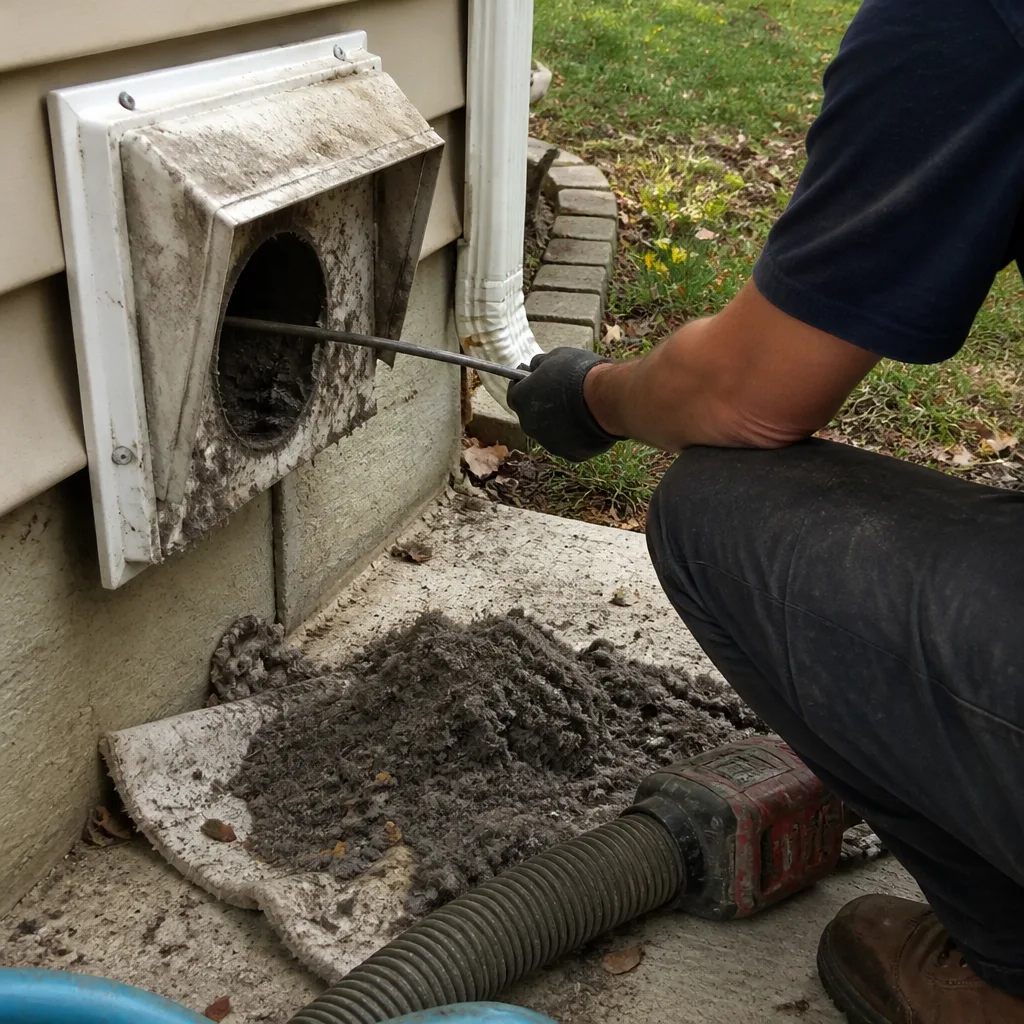 Before
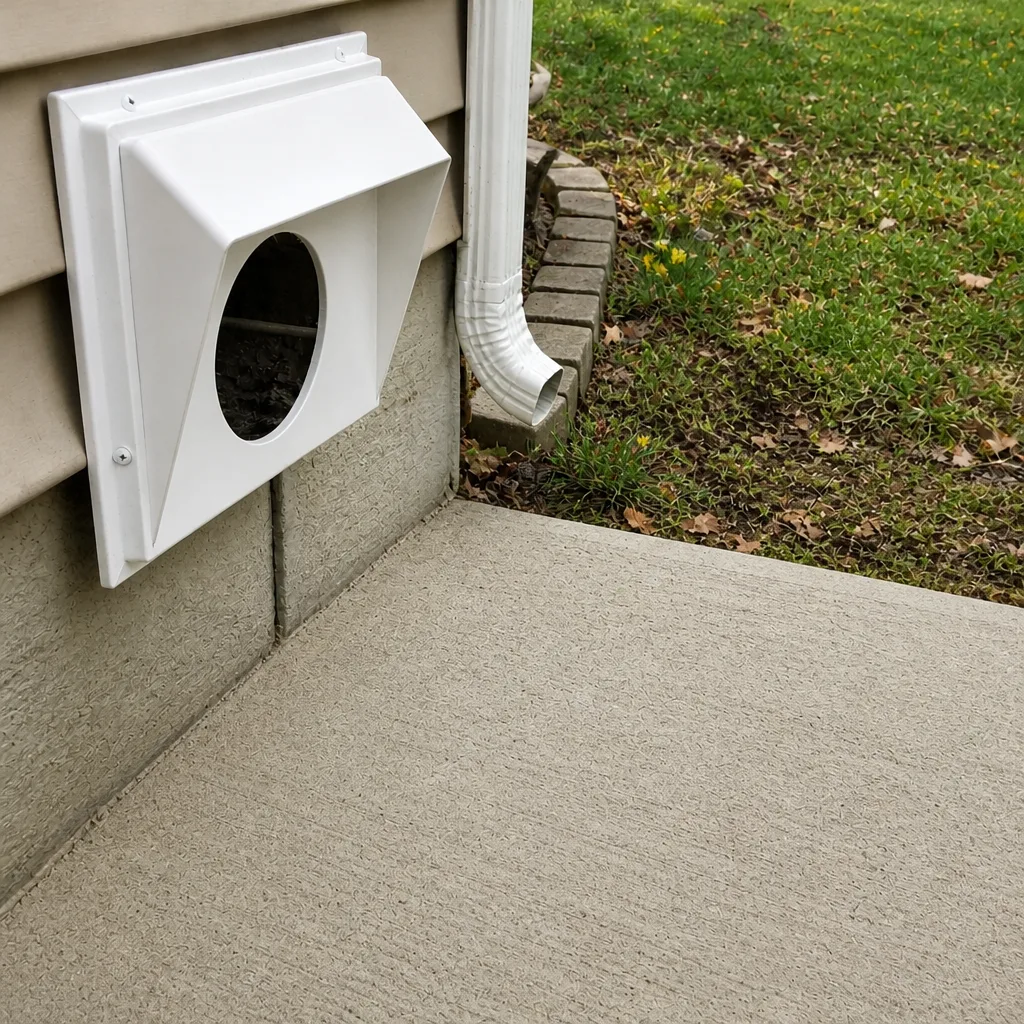 After
When to Call a Professional
Some things are maintenance and some aren’t, and a homeowner is not expected to know where the line is without help. Call a professional when you suspect a duct has disconnected or collapsed, when rooms heat or cool unevenly and you’ve ruled out the obvious, when you’re planning a renovation that touches the HVAC layout, when a home inspector flags a duct modification, or when you’re preparing to sell in Columbia and want the system documented before a buyer looks at it. You should also call when the system hasn’t been cleaned in a long time and you want to know what condition it’s in, because a proper inspection before cleaning tells you whether the work stops at maintenance or goes further. Stallion Air Duct Cleaning offers free estimates in Columbia, call (866) 643-6070.
Frequently Asked Questions
No. Air duct cleaning is maintenance and does not require a permit in Howard County. Physical alterations to ductwork, like adding, moving, or resizing a run, generally do require one through DPIE. Call (866) 643-6070 for a free estimate and a clear scope if you’re unsure which category your job falls into.
Usually not. Sealing accessible joints with mastic or approved metal tape is generally treated as maintenance because it restores the system’s existing performance. Extensive sealing done as part of a larger alteration, or paired with re-routing or resizing, is permit territory. Call (866) 643-6070 and we’ll tell you which one your job looks like.
Use DPIE’s online permit portal and search by address or contractor. Ask the company for their Maryland home improvement license number and verify it against the state licensing database. A contractor who can answer questions about permits without hesitation, and who puts the scope in writing, is a much safer hire than one who doesn’t. Call (866) 643-6070 if you want help understanding the scope before you hire anyone.
A buyer’s inspector can flag it, and it becomes a contract question. Late permits exist, and DPIE can advise on bringing the work into compliance. Getting ahead of it before you list is far easier than negotiating after a repair request. Call (866) 643-6070 for a free estimate if you want the system documented first.
Cleaning isn’t an efficiency upgrade by itself. An audit measures duct leakage and envelope performance, and the fix that improves results is sealing or altering the ductwork, which has its own permit considerations. Cleaning and duct repair address different problems, and a written scope keeps them separate. Call (866) 643-6070 for a free estimate.
Cheap quotes often cover a quick pass with hardware-store equipment, not a documented whole-system clean. The difference shows up in what equipment is used, whether the technician tests before and after, and whether repair is in scope or ignored. We use professional-grade Rotobrush and Nikro systems, agree a flat price per system before work starts, and show you before-and-after photos of your own ducts. Call (866) 643-6070 for a free estimate.
The Bottom Line
Cleaning your ducts in Columbia doesn’t require a permit, and it shouldn’t. But the moment a technician alters, moves, or adds to your ductwork, the work moves into a regulated category that Howard County tracks through DPIE. The three things worth remembering: know which side of the line your job sits on, get the scope in writing before work begins, and check the permit record before you sell, not after. Duct sealing is often maintenance and occasionally permit work. Home inspections surface what paperwork doesn’t. And a contractor who can explain the difference clearly is worth more than one who can’t. Our technicians have up to 13 years of experience with the equipment and the local process. If you want a clear scope and an honest read on your system, call (866) 643-6070 for a free estimate. We answer 24/7. Fast dispatch from 7am to 7pm, Sunday through Friday.
Written by the team at Stallion Air Duct Cleaning.