
Last updated November 14, 2026
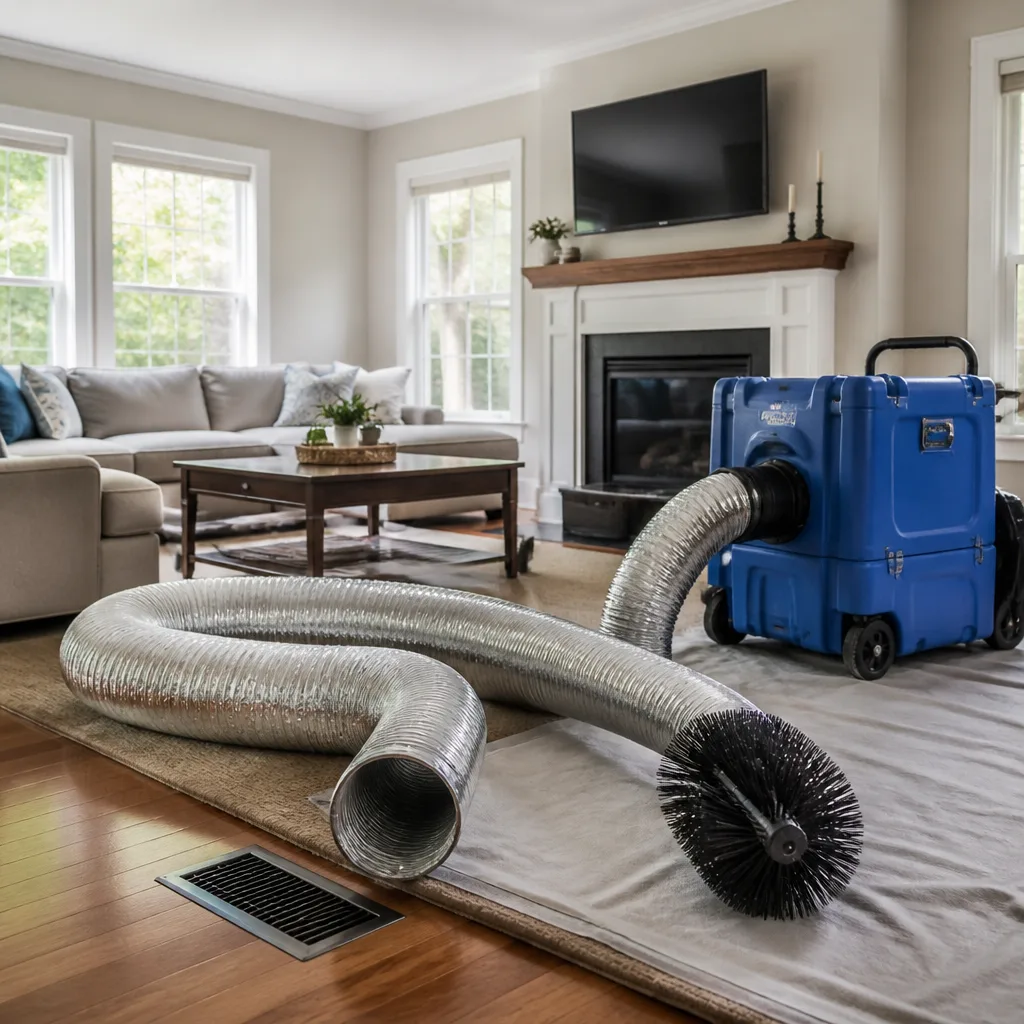 Whole-home duct cleaning
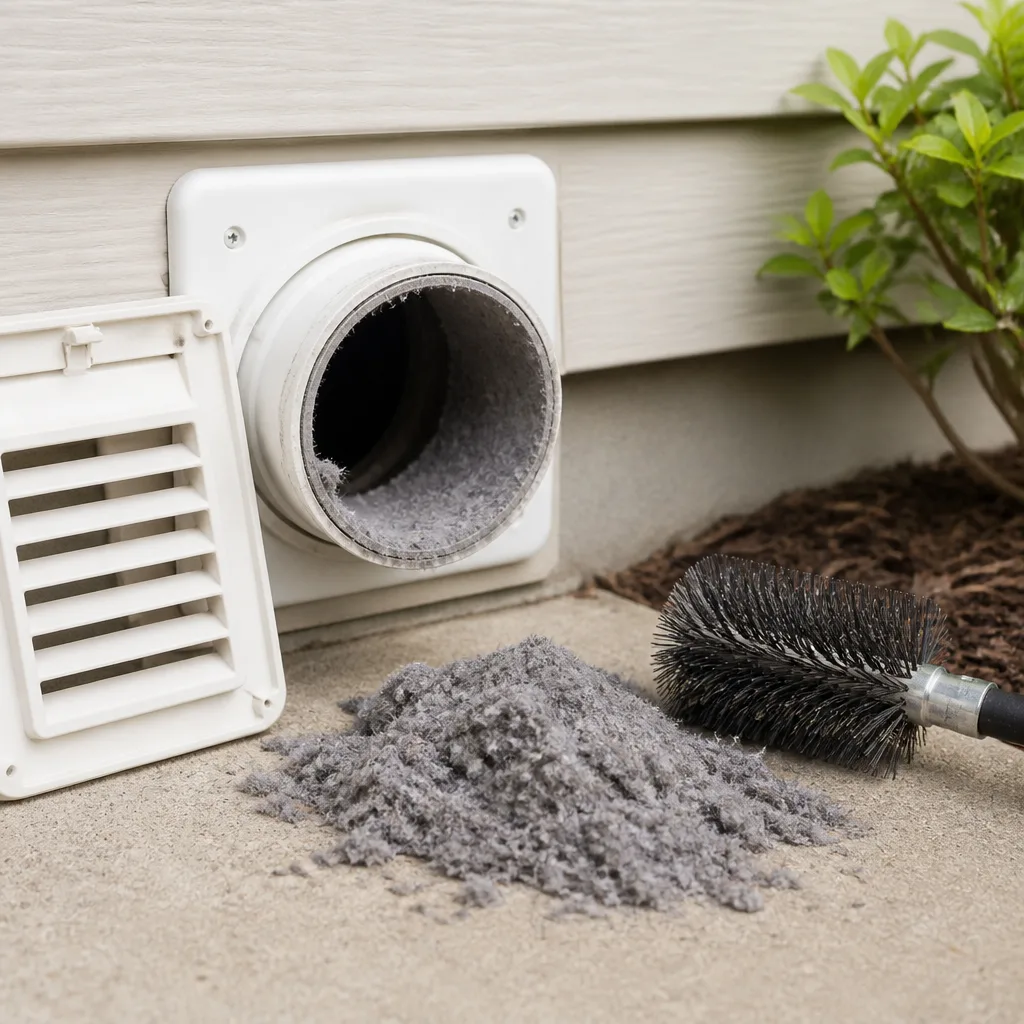 Dryer vent cleaning
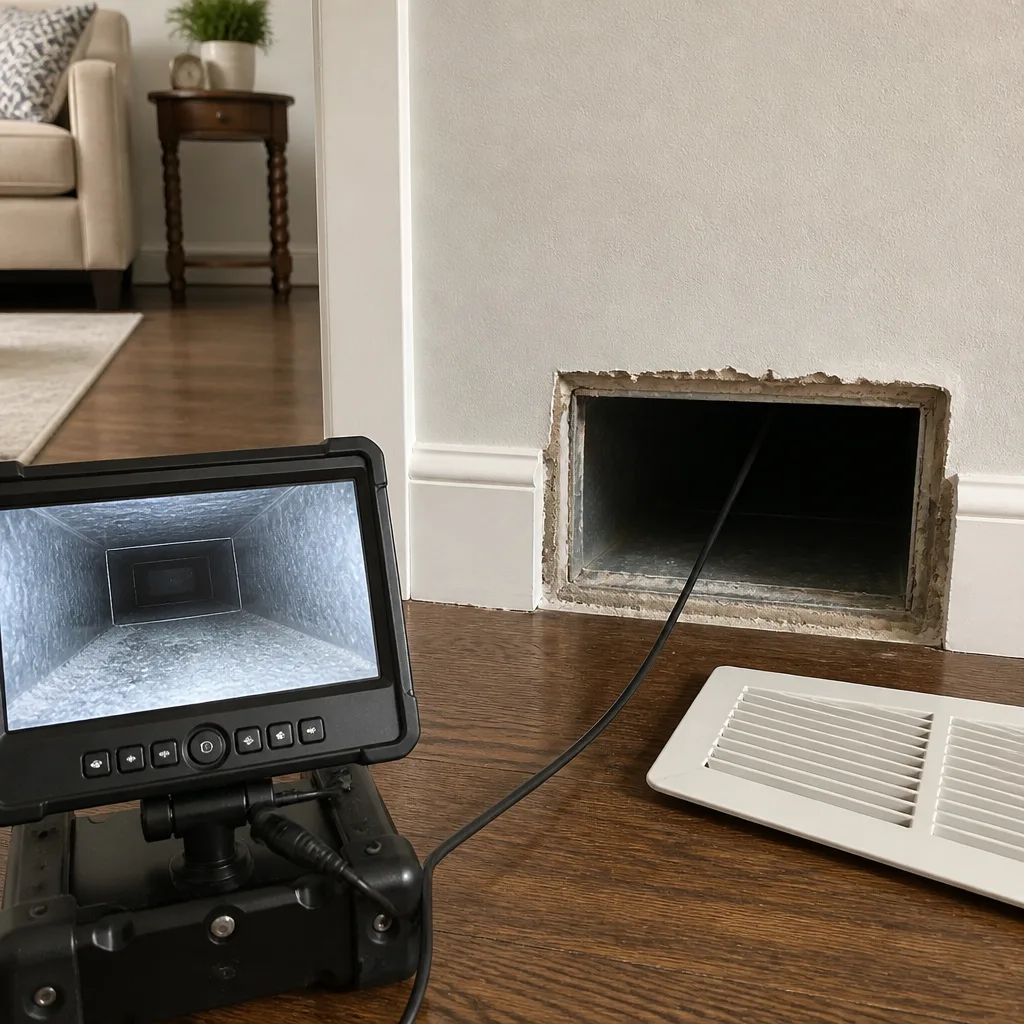 Camera inspection
 Sanitizing & deodorizing
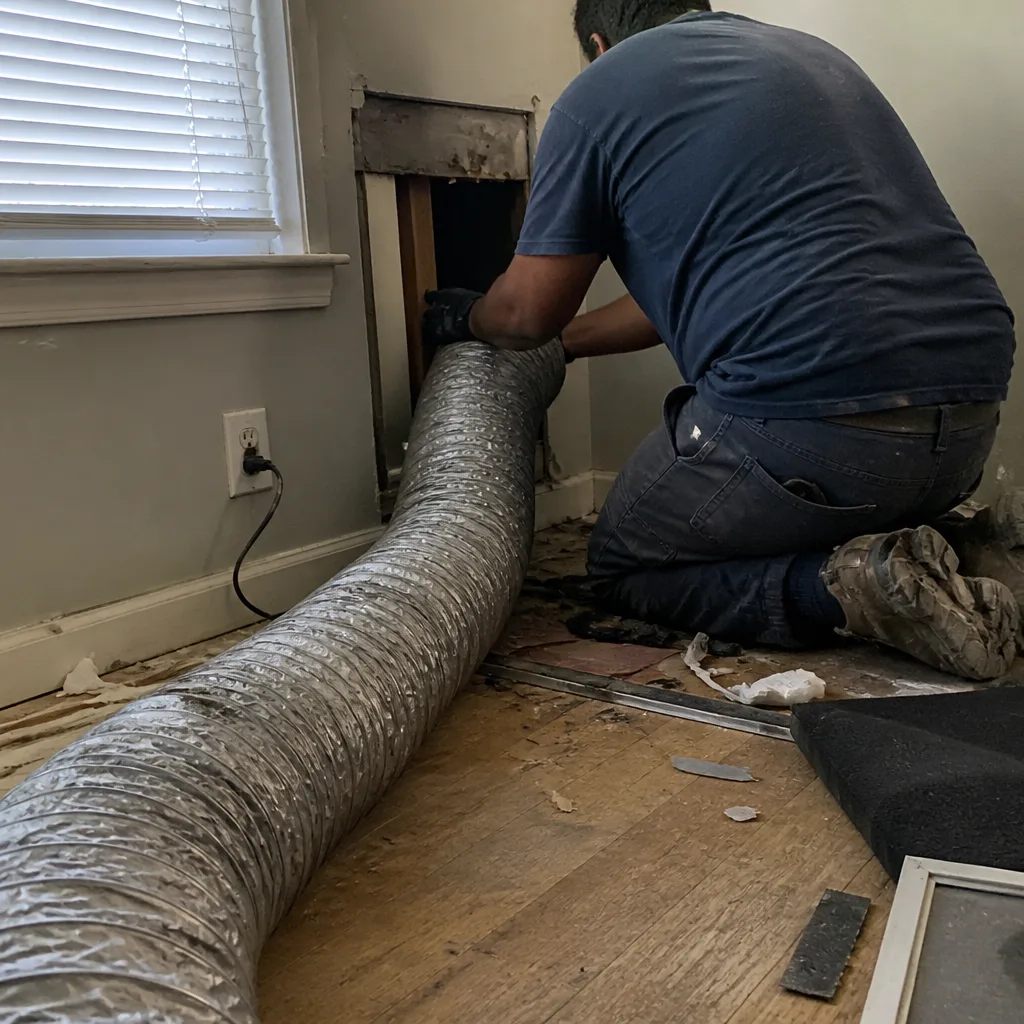
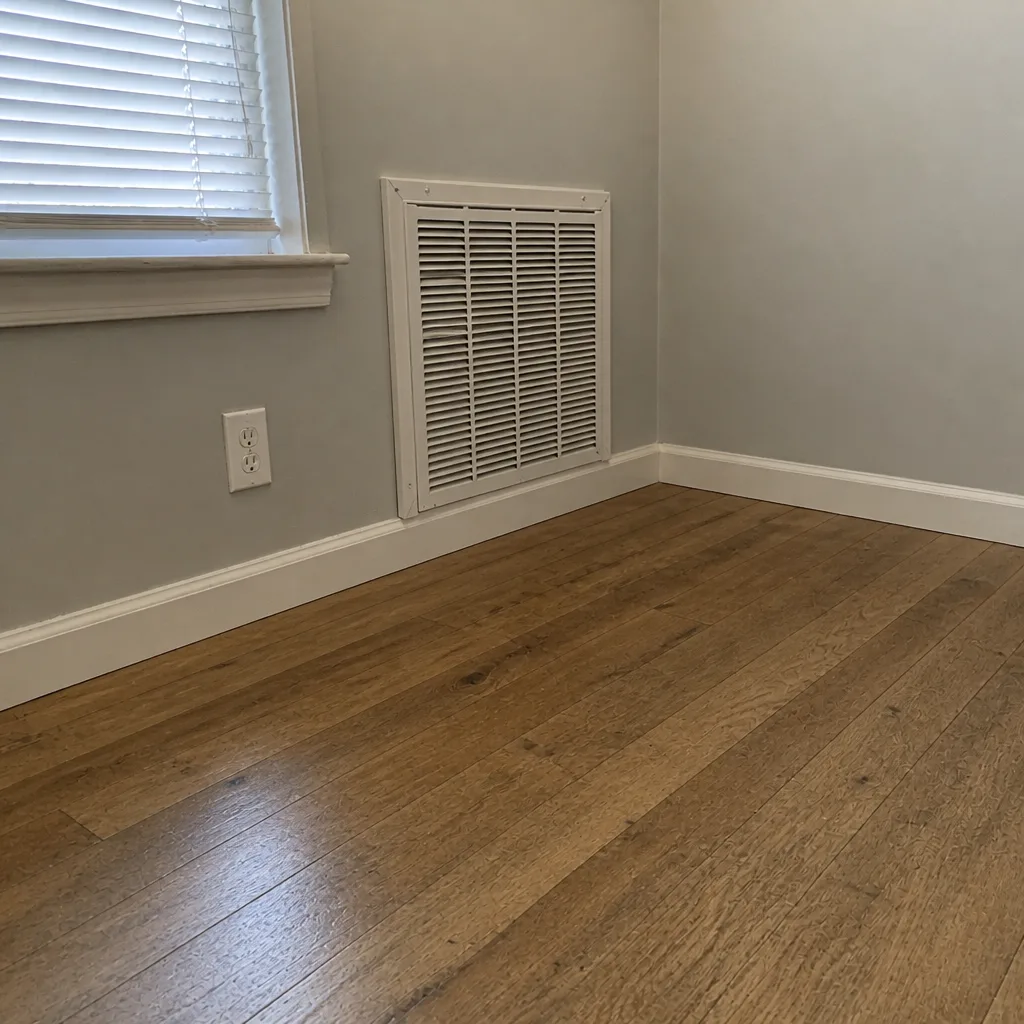
Whole-system duct and dryer vent check with before-and-after photos - you see exactly what came out of your vents
That "$99 whole-house special" is a bait ad - the real number appears once they are in your hallway, or the "clean" is a shop-vac at the register. We photograph the inside of your ducts before and after instead.
The Complete Guide to Air Duct Cleaning in Columbia
A vacuum hose taped to one register is not duct cleaning. It’s theater with a filter on top. Most homeowners never see the inside of their ductwork, so the industry has learned it can get paid for a two-hour pass over the accessible parts and leave the rest untouched. The EPA estimates indoor air can be 2 to 5 times more polluted than outdoor air, and partial cleaning is one reason why. In this guide we map the full ventilation pathway in a Columbia home, from return grilles to supply boots, explain what a complete cleaning actually requires, and show you how to verify the job was done. No coupon math. Just how the system works and what to expect.
Quick Answer
Air duct cleaning in Columbia means cleaning the entire ventilation pathway: every return grille, the main return trunk, each branch run, the plenum, and every supply boot. A complete job uses a negative-air machine with HEPA filtration and rotary-brush tools, not a shop-vac at one register. Typical whole-system pricing in the Columbia area runs from about $450 to $900 for a standard single-family home, and the written estimate sets the final price.
Styles & brands we work with
- Whole-home duct cleaning
- Dryer vent cleaning
- Camera inspection
- Sanitizing & deodorizing
Table of Contents
- What the Full Ventilation Pathway Actually Includes
- Contact Vacuuming vs. Negative-Air Cleaning: What’s the Difference?
- Why Howard County Housing Stock Creates Duct Access Challenges
- How Much Does Air Duct Cleaning Cost in Columbia?
- Dryer Vents, Coils, and UV: Root Cause vs. Symptom
- How to Verify the Cleaning Was Actually Completed
- How Often Does It Really Need Doing?
What the Full Ventilation Pathway Actually Includes
Your duct system is one connected airway, and contamination anywhere in it reaches every room. A cleaning that skips a section hasn’t cleaned the system. Here’s the path air takes through a typical Columbia home and why each leg of it matters.
Return grilles. Air leaves every room through return grilles, and those grilles collect dust, pet hair, and lint on the fins and behind the frame. Grilles and the boots behind them are the first place a real cleaning starts. If a technician walks past them, that tells you something about the rest of the job.
The return trunk. All those grilles feed one or more main return ducts back to the air handler. Return trunks sit under negative pressure during operation, which means small gaps pull attic or crawlspace air into the system. Cleaning the trunk and sealing obvious gaps is a core part of a complete cleaning, and it’s the area most partial jobs never open up.
The air handler and plenum. The blower compartment and the plenum above the coil are where dust accumulates fastest because airflow slows and changes direction. The coil itself is a separate but related issue, covered later in this guide.
Branch runs. Each supply branch feeds one room. These are the ducts a rotary brush works through most visibly, and the ones homeowners think of as “the ducts.” Cleaning only branch runs while leaving the return side alone is the single most common incomplete job we see described to us.
Supply boots. The boot is the short transition from the branch duct to the floor, wall, or ceiling register. Debris settles here by gravity. A system cleaned end to end leaves the boots and registers visibly clear.
A complete cleaning addresses every one of these sections in sequence, from return to supply, with the negative-air machine running the whole time.
Contact Vacuuming vs. Negative-Air Cleaning: What’s the Difference?
There are two ways to clean a duct system, and only one of them keeps contamination out of your living space.
Contact vacuuming means a technician physically touches surfaces with a HEPA vacuum hose and brush. It’s useful inside boots, grilles, and the plenum, and it’s part of any real cleaning. But a contact vacuum alone can’t reach the full length of a branch run. If contact vacuuming is the entire method, the far end of every duct stays dirty.
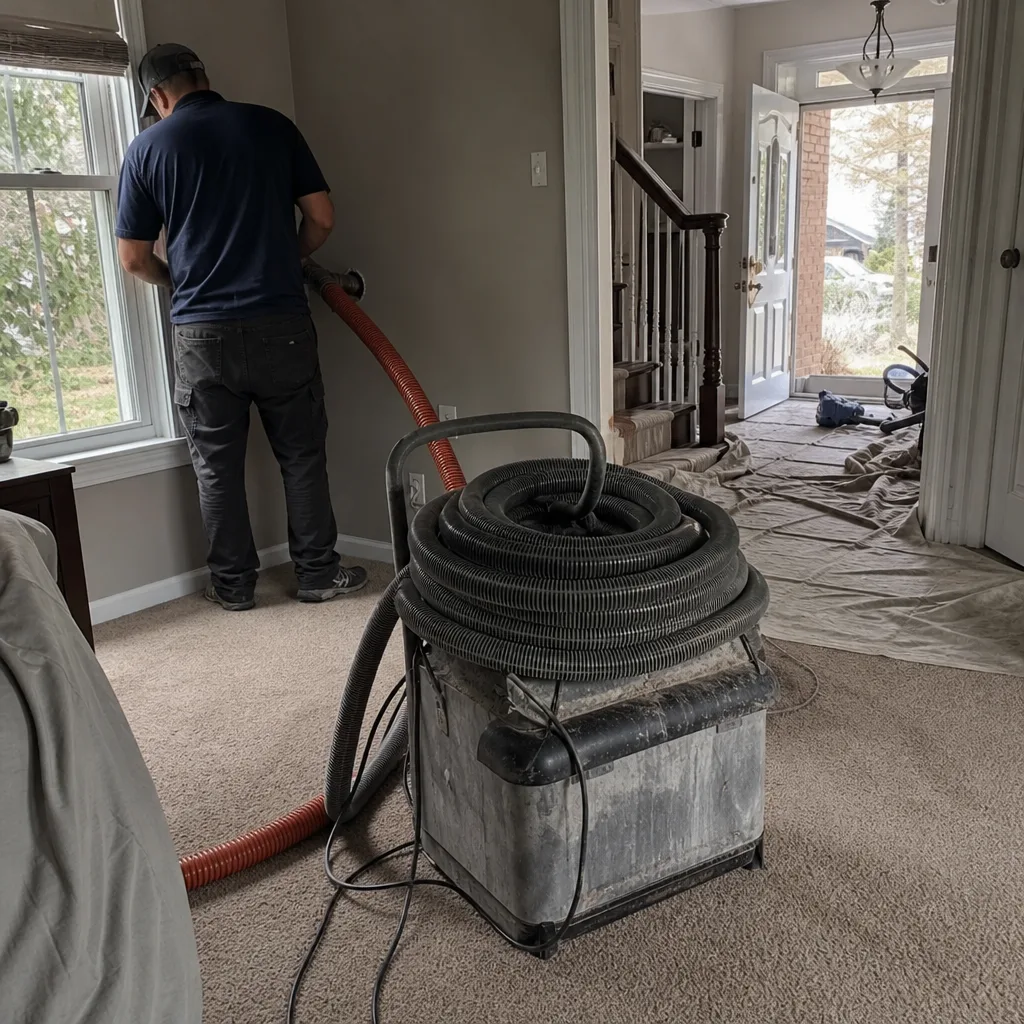
Negative-air cleaning uses a high-volume vacuum connected to the trunk or plenum, pulling the whole system into negative pressure so air flows toward the machine instead of into your rooms. While that vacuum runs, a technician pushes rotary brush and air tools through each branch from the inside, loosening debris that gets carried back to the collector. Equipment matters here. We use Rotobrush and Nikro systems, purpose-built duct-cleaning machinery rather than repurposed shop-vacs, along with Abatement Technologies air filtration equipment for containment-grade particulate control.
The difference between the two methods shows up in three places:
- Where the debris goes. Negative-air cleaning moves it into a sealed collector. A vacuum on one register often just spreads it to other rooms.
- How much of the system gets reached. Rotary brush tools work the full length of branch runs; a hose pulled through one register does not.
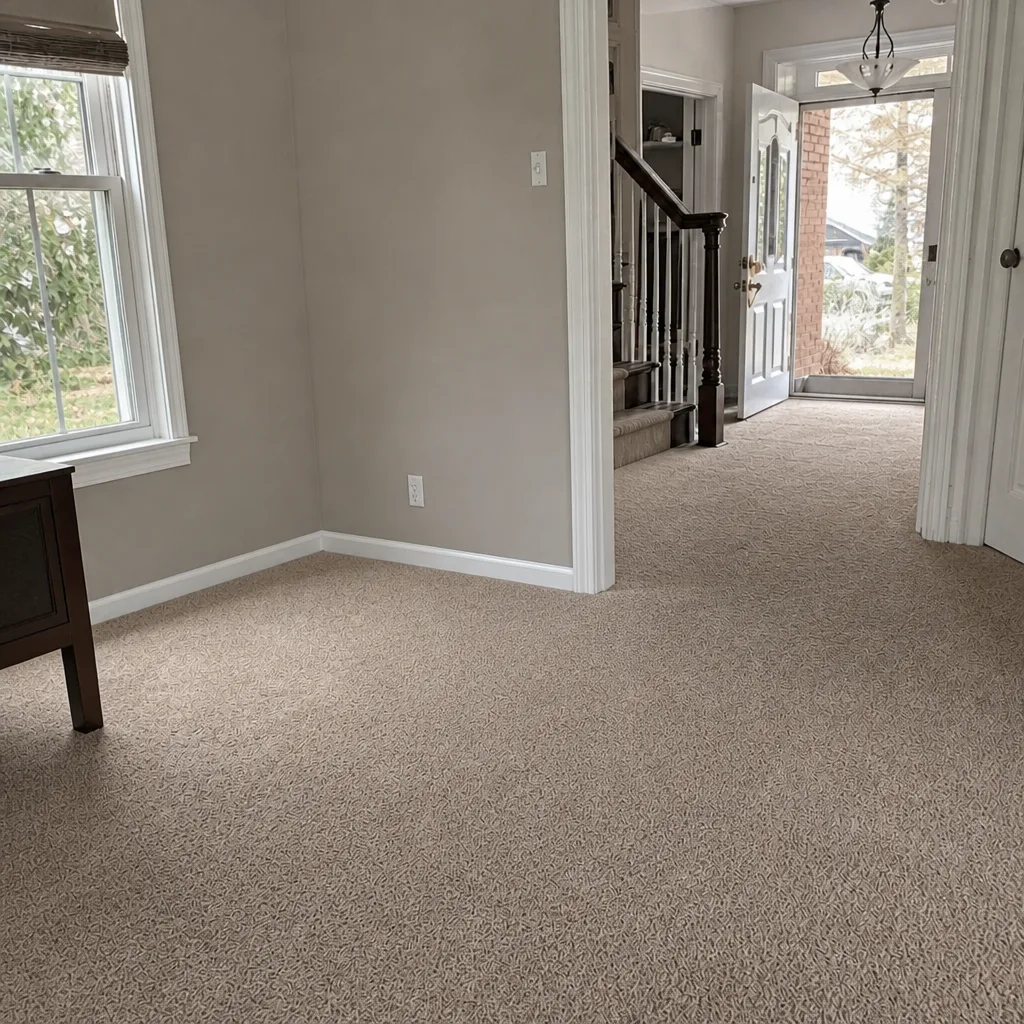
- What the air in the house does during the job. Proper containment keeps airborne particulate out of the living space while the cleaning is underway.
A real cleaning uses both methods together. Contact vacuuming handles what hands can reach. Negative-air cleaning handles everything the machine has to pull through, which is most of your system.
Why Howard County Housing Stock Creates Duct Access Challenges
Columbia was built as a planned community starting in the 1960s, and its housing stock runs from early split-levels to colonials to newer townhome clusters. That variety matters more for duct cleaning than most homeowners realize, because the layout of a house determines how a duct system was originally run and how hard it is to clean.
Colonials, common through much of Howard County, typically have a full basement or conditioned crawlspace with trunk lines running overhead. Access is usually straightforward. Split-levels are the harder case. Their duct systems often transition between levels through tight chases and short runs above finished ceilings, which means a technician has to work from access points the original installer cut. A crew without rotary-brush equipment can’t reach the far end of those runs. A crew with the right tools can.
Two local conditions affect the job:
- Basements and humidity. Columbia’s humid summers mean basement ductwork sees moisture much of the year. Damp duct interiors hold dust differently than dry ones, and a cleaning that doesn’t account for it leaves the problem partly in place.
- Original ductwork. In homes from the 1960s and 1970s, some duct connections have loosened over the decades. Cleaning a system with failing joints without noticing them can make an existing leakage problem worse. That’s why we pair cleaning with duct repair as a separate service line, and why we look at connections, not just surfaces.
Townhome clusters and attached homes add a third wrinkle: shared walls and longer runs. It’s not a deal-breaker, but it changes where a technician sets up the negative-air connection. A proper walkthrough before the job tells you what a particular house needs. If you want a closer look at what we offer locally, our Columbia page covers the area we serve.
How Much Does Air Duct Cleaning Cost in Columbia?
Air duct cleaning in Columbia typically runs from about $450 to $900 for a whole-system cleaning on a standard single-family home, and from about $350 to $650 for a townhome or smaller layout. Pricing depends on the number of registers, the layout, and whether repairs are needed. The written estimate you receive before any work begins sets the final price.
A line-item view of what a typical Columbia job includes:
- Whole-system air duct cleaning (standard single-family home): about $450 to $900
- Townhome or smaller layout: about $350 to $650
- Dryer vent cleaning: typically $100 to $200
- Air duct repair (sealing or reconnecting loose joints): priced per job after inspection
- IAQ equipment recommendations (Honeywell, Aprilaire): quoted separately, never included without your approval
We do not quote a per-vent price. Per-vent pricing is how a coupon job turns into a much larger invoice. A whole-system price is the only honest way to price this work, because a duct system is one unit. If you’re wondering why some quotes come in dramatically lower than others, the answer is usually scope: those quotes cover a partial pass, not the full pathway. The estimate is free, and the price is agreed before any equipment comes off the van.
Dryer Vents, Coils, and UV: Root Cause vs. Symptom
Duct cleaning handles the ducts. But some of the dust and debris in your system comes from sources duct cleaning alone won’t fix. Knowing the difference keeps you from paying for a cleaning that doesn’t solve the problem.
Dryer vents. The dryer vent is a separate exhaust path, but lint from it travels into the living space and into return air. A clogged dryer vent is its own problem and the one most directly tied to home safety. dryer vent cleaning belongs on the same visit as duct cleaning if your vent hasn’t been cleared recently, and it’s a maintenance item, not an upsell.
Evaporator coils. The coil sits in the air handler and sees every cubic foot of return air before it gets conditioned. A dirty coil restricts airflow and reduces system efficiency. Coil cleaning is a distinct task from duct cleaning.
UV and IAQ filtration. UV sanitization and whole-home filtration address air quality at the source. They’re worth considering when a home has a persistent dust or allergen issue that cleaning alone doesn’t resolve. We work with Honeywell and Aprilaire IAQ systems, familiar products your HVAC installer likely uses.
Here’s the test to apply: does the add-on remove contamination, or just mask it? A UV system installed in a duct system full of settled debris is a symptom treatment. Clean the pathway first, then improve the air quality on a cleaned foundation. We recommend the second step only after the first one is complete.
For the full picture on our duct work, see air duct cleaning.
How to Verify the Cleaning Was Actually Completed
You don’t have to take anyone’s word for it. These are the checks you can ask for, and a professional crew should be happy to provide all of them.
- Ask for before-and-after photos. Photos of the inside of the ducts, taken at the same register before and after cleaning, are the most direct evidence. Ask for them before the job starts, not after.
- Watch the airflow at the registers. Turn the system on after cleaning and feel the supply and return registers. Airflow that feels stronger or steadier after cleaning is a good sign the runs were opened up.
- Check the filter. A new filter should be installed at the end of the job. A dirty filter after a fresh cleaning is a red flag. Ask what filter was installed and where.
- Inspect the boots and grilles yourself. Look inside the registers in the rooms nearest the air handler and in the rooms farthest from it. Those two spots tell you most of the story.
- Ask what was connected. A complete cleaning connects a machine to the trunk and works branch runs with rotary tools. Ask which registers were worked and which weren’t.
We photograph every job and share before-and-after images of your own ducts. If a company can’t show you the evidence, ask why not. Our team works on the whole system under one flat price per system, and we stand behind that process.
How Often Does It Really Need Doing?
Most homes in Columbia do fine with a whole-system cleaning every three to five years. Homes with pets, recent renovations, or a history of moisture in the ductwork often benefit from more frequent attention. There’s no universal number, because the answer depends on your house.
Here are the situations that call for a closer look sooner:
- Recent renovation. Drywall dust and construction debris settle in ductwork and can take years to work out by airflow alone.
- New-to-you home. You don’t know how the previous owner maintained the system, so a baseline cleaning gives you a known starting point.
- Pets in the house. Pet hair accumulates in return grilles and boots at a faster rate.
- Visible dust at registers. If you’re wiping dust off the register fins weekly, the source upstream is worth inspecting.
- Musty smell from the vents. This often points to moisture in the ductwork or a coil problem. A cleaning plus an inspection of the connections is the right next step.
If you’re on the fence, a free walkthrough estimate will tell you whether the system needs cleaning now or can wait a year or two. A good estimate does not push a service you don’t need. Our technicians have up to 13 years of experience working on duct systems, and they’ll give you an honest read.
Common Mistakes to Avoid
- Hiring a crew that quotes per vent. Per-vent pricing encourages speed over completeness and leaves the trunk and plenum untouched. A whole-system price is the honest unit.
- Cleaning only the branch runs. A cleaning that skips the return trunk and plenum hasn’t cleaned the system. Ask exactly which sections will be cleaned before you book.
- Skipping the boots and grilles. These are where you see the dirt accumulate. If they’re not part of the job, the job isn’t complete.
- Ignoring loose duct connections. In older Howard County homes, cleaning a system with failing joints can worsen leakage. Ask whether repairs will be inspected as part of the work.
- Buying IAQ upgrades before the cleaning. Filtration and UV work best on a clean system. Do the cleaning first, then decide about upgrades.
- Forgetting the dryer vent. A missing dryer vent cleaning leaves a lint source feeding the system. It’s a separate task but a natural pairing.
- Accepting “we did it, trust us” as proof. Ask for before-and-after photos and check the filter. Verifiable work is the whole point.
See the difference
 Before
 After
 Before
 After
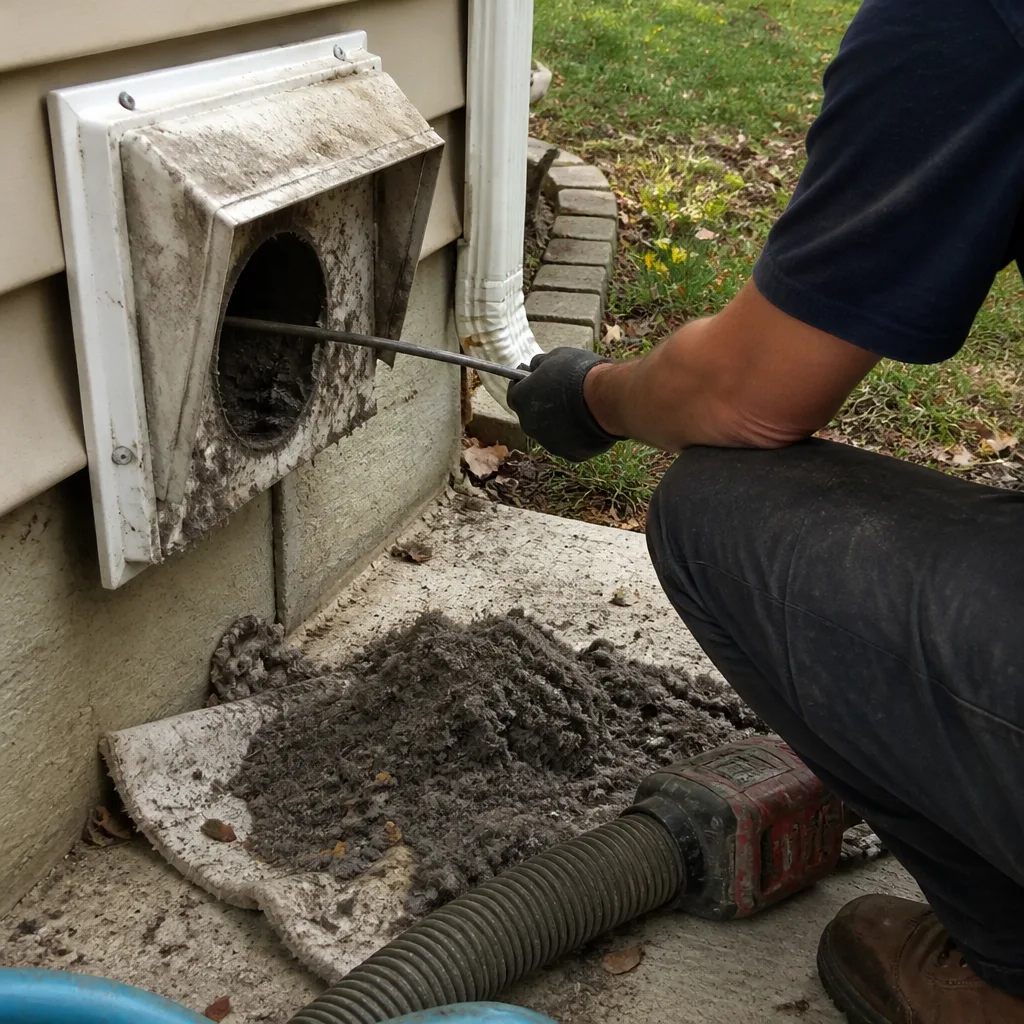 Before
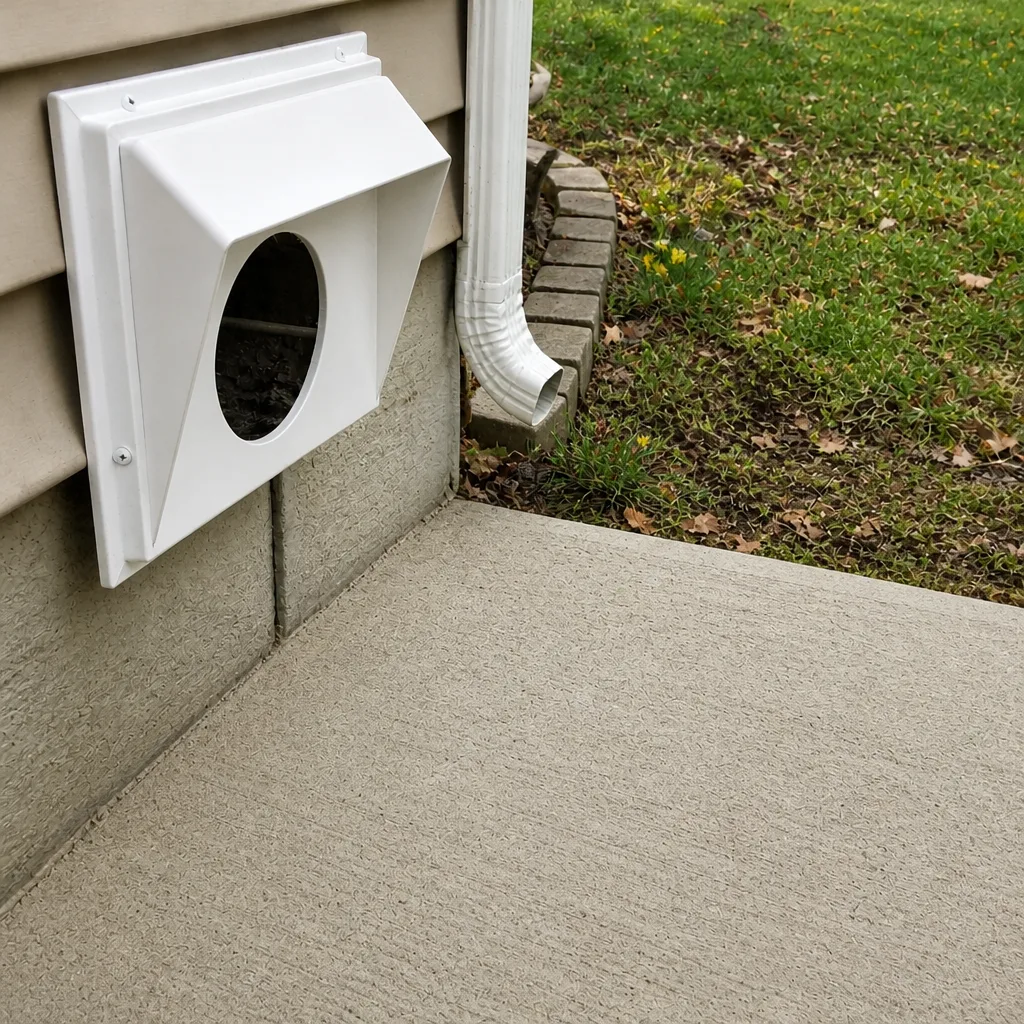 After
When to Call a Professional
Book a professional cleaning when you see visible dust buildup at registers, notice musty odors from the vents, are moving into a home whose maintenance history you don’t know, or are finishing a renovation. Call right away if you suspect a loose duct connection or a moisture problem in the system. Those are issues a professional should assess, not a homeowner. Duct cleaning also involves working around the air handler and plenum, and in older homes that sometimes means navigating around electrical or gas connections that require a trained eye. We work with the whole system, including repairs, not just the surfaces you can see. Our team can also recommend Honeywell or Aprilaire IAQ upgrades once the cleaning is complete. Want a written estimate for your Columbia home? Calls are free, and we answer 24/7. Fast dispatch from 7am to 7pm, Sunday through Friday.
Stallion Air Duct Cleaning offers free estimates in Columbia. Call (866) 643-6070. We answer 24/7. Fast dispatch from 7am to 7pm, Sunday through Friday.
Frequently Asked Questions
A whole-system air duct cleaning in Columbia typically runs from about $450 to $900 for a standard single-family home, or about $350 to $650 for a townhome. The written estimate you receive before work begins sets the final price. Call (866) 643-6070 for a free estimate.
Cheaper quotes almost always reflect a smaller scope: a partial pass over accessible branch runs instead of the full system. A complete cleaning covers returns, trunk, plenum, branch runs, and supply boots. If a quote doesn’t specify each section, ask what’s included. Call (866) 643-6070 for a full-system estimate.
Ask for before-and-after photos of the inside of your ducts, check the filter condition when the job ends, and test airflow at the supply and return registers. A professional crew provides all three without being asked. Call (866) 643-6070 and we’ll walk you through what to expect.
Most homes do well with a whole-system cleaning every three to five years. Homes with pets, recent renovations, or moisture issues may need it more often. A free walkthrough estimate gives you a real answer. Call (866) 643-6070.
Cleaning removes the accumulated dust and debris that feed the dust you see at registers, which can reduce the source of indoor particulate. It doesn’t replace filtration, and it doesn’t fix an underlying moisture problem. We’ll tell you honestly what cleaning will and won’t do for your home. Call (866) 643-6070.
Yes, if your dryer vent hasn’t been cleared recently. Lint from the dryer travels into the living space, and a clogged vent is its own problem. Pairing the two saves a second visit. Call (866) 643-6070 to schedule both. You can also read more about dryer vent cleaning.
We use Rotobrush and Nikro rotary-brush and vacuum systems built specifically for duct cleaning, plus Abatement Technologies filtration equipment for containment control. Equipment matters because a repurposed shop-vac can’t reach the far end of a branch run. Call (866) 643-6070 for details on our equipment and process.
Sometimes. Musty air often points to moisture in the ductwork or a coil issue, and cleaning plus a check of the duct connections is the right first step. If the problem is the coil, that’s a separate service. We’ll inspect and tell you what we find. Call (866) 643-6070.
The Bottom Line
Air duct cleaning in Columbia is not a vacuum attachment on one register. It’s a whole-system job that covers the return grilles, the trunk, the plenum, every branch run, and every supply boot, using rotary-brush tools and a negative-air machine built for the work. Expect whole-system pricing around $450 to $900 for a standard single-family home, watch for loose connections in older Howard County ductwork, and verify the work with before-and-after photos and a filter check. If you’re ready for a free estimate on your Columbia home, call (866) 643-6070. We answer 24/7. Fast dispatch from 7am to 7pm, Sunday through Friday.
See our full service lineup at Stallion Air Duct Cleaning.
Written by the team at Stallion Air Duct Cleaning.