
Last updated November 14, 2026
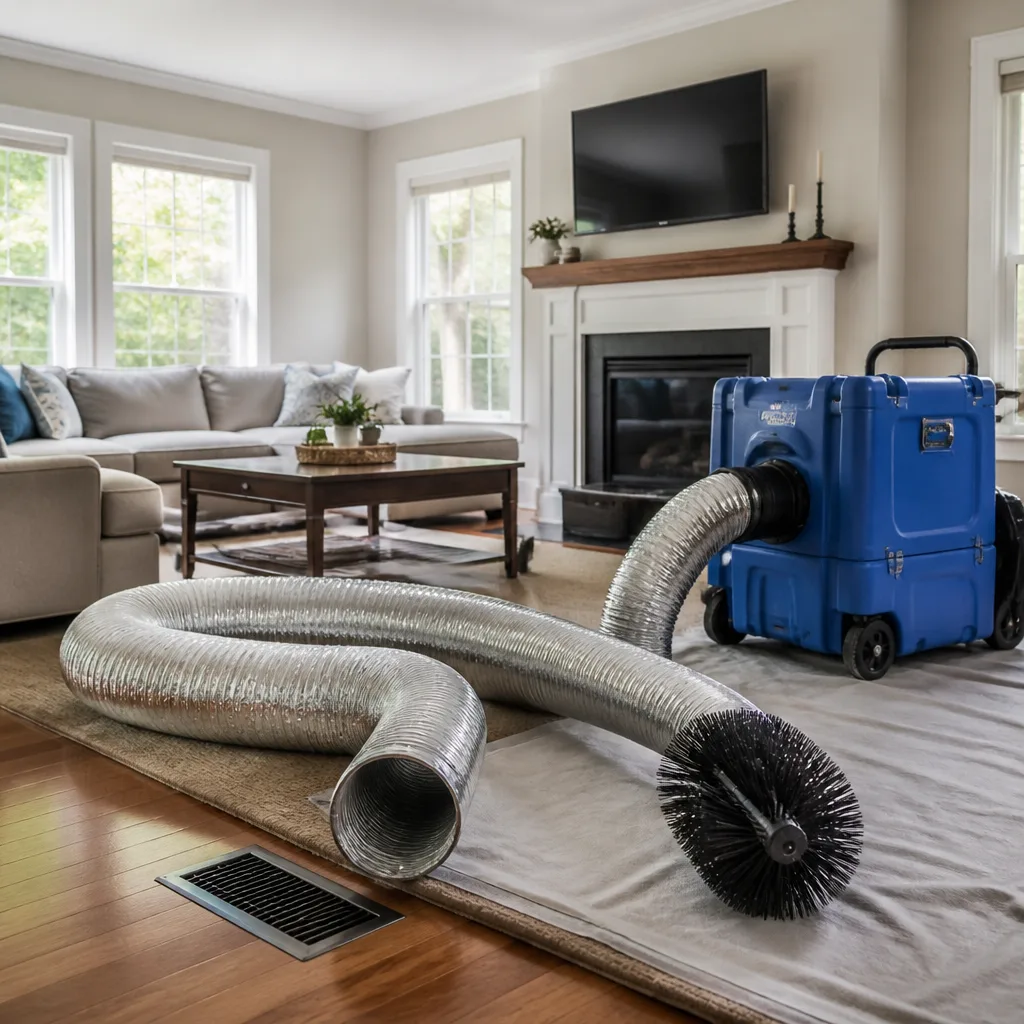 Whole-home duct cleaning
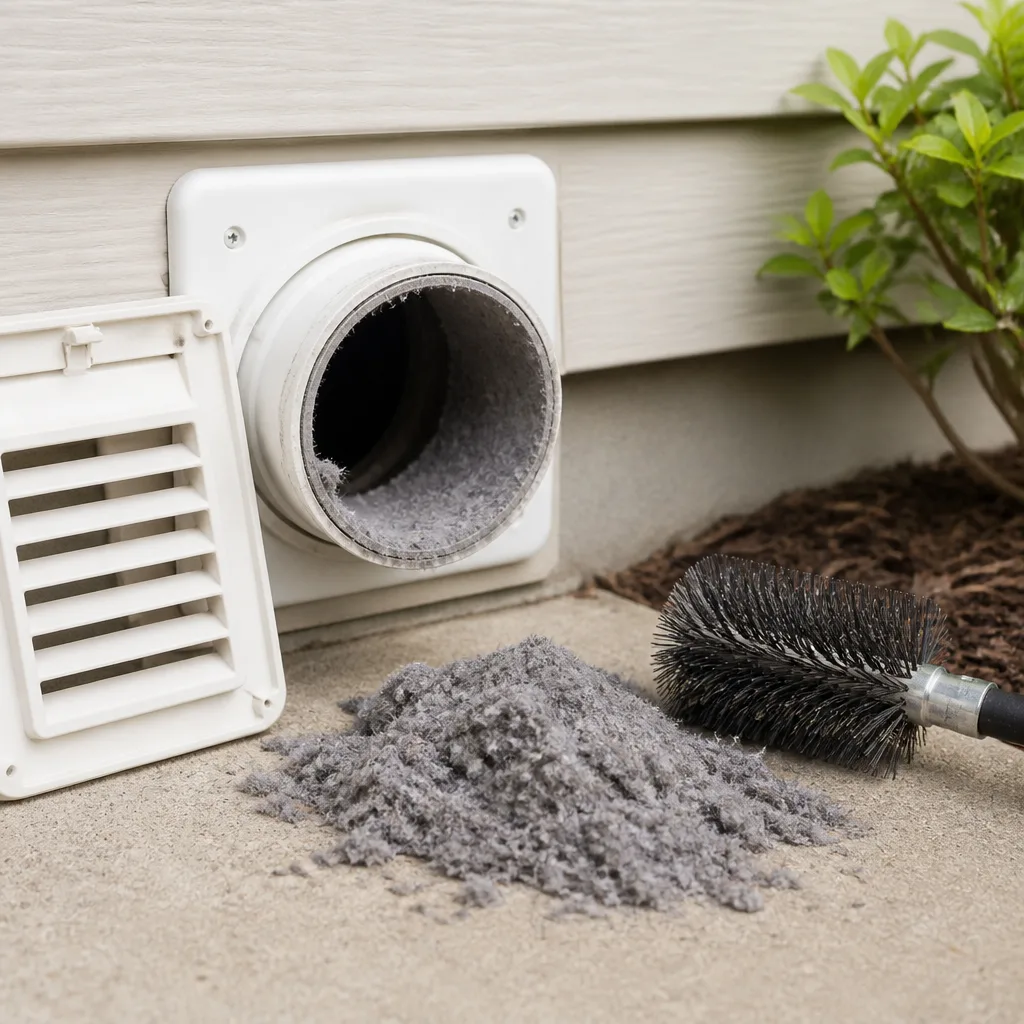 Dryer vent cleaning
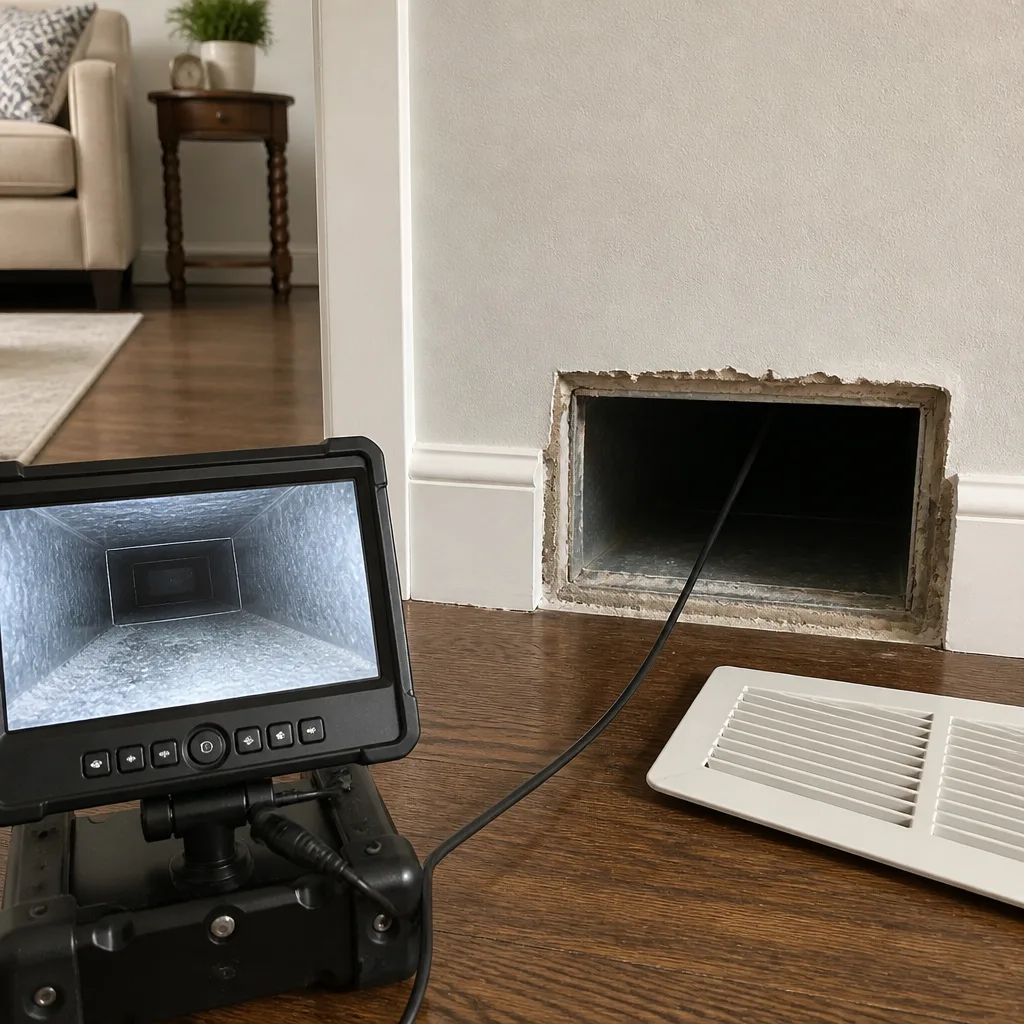 Camera inspection
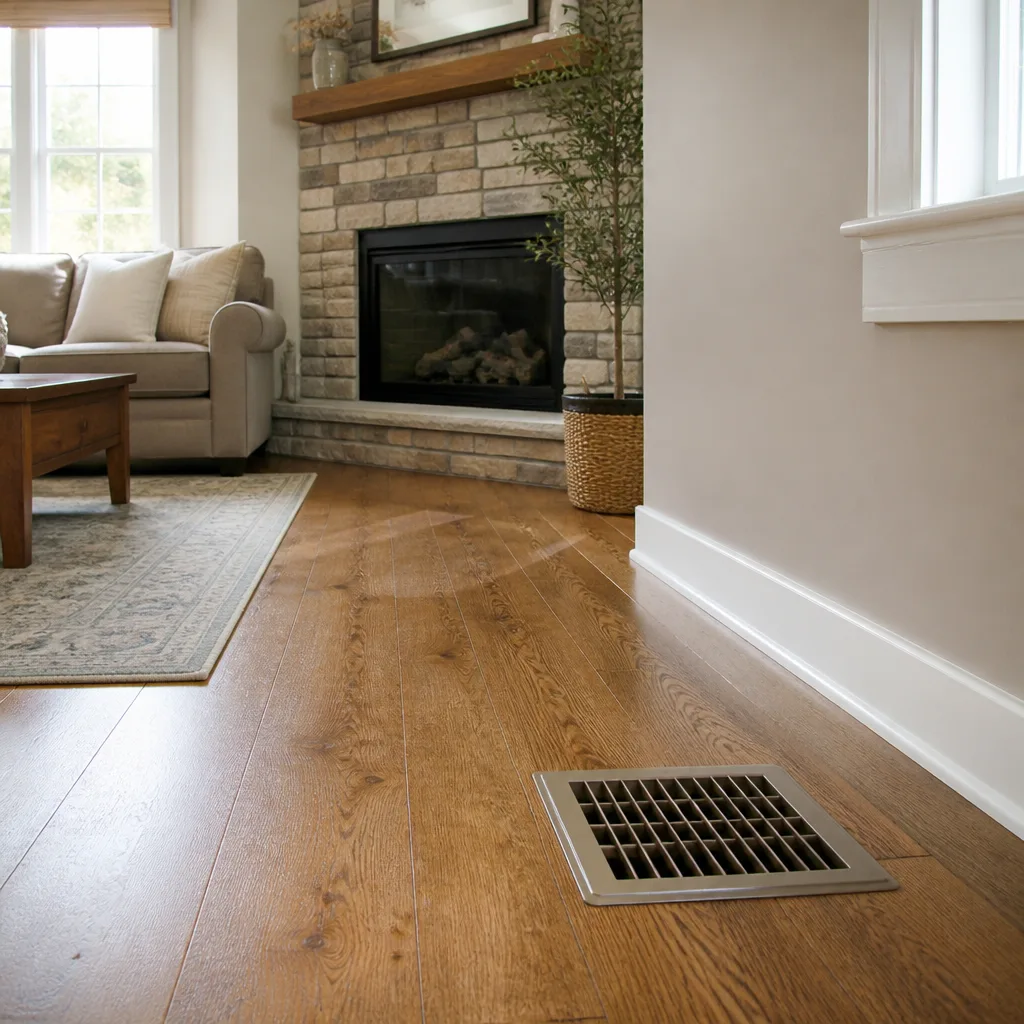 Sanitizing & deodorizing
Whole-system duct and dryer vent check with before-and-after photos - you see exactly what came out of your vents
That "$99 whole-house special" is a bait ad - the real number appears once they are in your hallway, or the "clean" is a shop-vac at the register. We photograph the inside of your ducts before and after instead.
Choosing the Right Air Duct Cleaning Brand: A Buyer’s Guide for Columbia
Most duct cleaning companies list their services on a website but never mention their equipment – which is exactly what you should be asking about before you book. A coupon and a service list tell you nothing about whether the crew arriving at your door has the machinery to do the job right or a repurposed shop vacuum and good intentions. In Columbia, where two-story colonials with finished basements and zoned HVAC systems are the norm, the equipment gap shows up in the result. This guide explains the professional tool brands, the machine specs and the questions that separate a real duct cleaning operation from a marketing page, so you can choose with your eyes open.
Quick Answer
The right air duct cleaning company for a Columbia home combines three things: an industrial negative-air machine rated for your system’s airflow, branded rotary-brush agitation tools like Rotobrush or Nikro, and HEPA-grade filtration on the exhaust so debris leaves the house instead of settling in it. Ask any company what equipment they run, what their machine’s CFM rating is, and whether they use HEPA containment – a capable operator answers those three questions without hesitation. Equipment isn’t everything, but it’s the foundation everything else is built on.
Styles & brands we work with
- Whole-home duct cleaning
- Dryer vent cleaning
- Camera inspection
- Sanitizing & deodorizing
Table of Contents
- Why Equipment Is the First Question, Not the Last
- Professional Equipment Tiers: Recognized Brands vs. Unbranded Vacuums
- Truck-Mounted vs. Portable Negative-Air Machines: What CFM Means for a Columbia Colonial
- Agitation Tools: Rotary Brushes, Air Whips, and Skipper Balls
- Camera Inspection and Before/After Documentation
- The Questions to Ask Any Company (and What Good Answers Sound Like)
- Cleaning vs. Repair: Why the Right Company Does Both
- IAQ Systems: How Filtration Brands Fit Into the Picture
Why Equipment Is the First Question, Not the Last
Air duct cleaning is a mechanical job before it’s a service. The work comes down to loosening debris from duct walls and pulling it out of the system under negative pressure. Both halves of that equation depend on hardware. Without adequate agitation, contamination stays bonded to the duct interior. Without adequate vacuum, loosened debris settles back into the system or drifts into living space. Neither problem is visible from the street, and neither shows up on a website’s service list.
That’s why equipment is the first honest signal of how a company approaches the trade. A firm that owns professional-grade machinery – rotary-brush systems, truck-mounted or high-capacity portable negative-air units, HEPA filtration – has made a real capital commitment to doing the work properly. A firm with a hardware-store vacuum and a ladder has made a different sort of commitment, usually to the coupon price.
In Columbia, the equipment question has added weight because of how the housing stock is built. Many neighborhoods here – Wilde Lake, Harper’s Choice, Owen Brown, Long Reach – were developed with forced-air systems serving multiple zones, and a substantial number of homes have finished basements with additional supply runs branching off the main trunk. Cleaning that kind of system requires a machine that can maintain negative pressure across the entire duct footprint while the technician works one branch at a time. A small portable vacuum can’t hold that pressure.
One more point on the Columbia angle: our region’s humid summers and cold, dry winters create a cycle of seasonal expansion and contraction inside ductwork that loosens joints and puts stress on flex-duct connections in finished basements. That’s not a reason to clean more often than the system needs, but it is a reason to want a company whose inspection and equipment can catch developing problems. We’ve seen plenty of duct systems where the calling card of a proper cleaning crew was simply that they found an issue before it became a bigger repair. Equipment you can name is equipment you can verify.
Professional Equipment Tiers: Recognized Brands vs. Unbranded Vacuums
The duct cleaning industry has a clear hierarchy of equipment, and it maps onto the quality of the work you’ll get. At the top are purpose-built systems from established manufacturers. In the middle are high-capacity portable units that can do competent work in the hands of a trained operator. At the bottom are repurposed shop vacuums and unbranded hardware-store machines that cannot deliver the airflow or containment required for residential ductwork. Knowing which tier a company operates in is the single most useful thing you can learn before booking.
Recognized professional brands
Several names come up repeatedly in professional duct cleaning, and each signals a different capability:
- Rotobrush – rotary-brush systems purpose-built for duct cleaning. The brush agitation and vacuum are designed to work together, which is why specialists use them rather than adapting a brush to a generic vacuum.
- Nikro Industries – professional-grade vacuums and air filtration equipment widely used in abatement and duct cleaning. Nikro units are the kind of equipment you find in the hands of operators who treat duct work as a trade, not a sideline.
- Abatement Technologies – HEPA filtration and containment equipment originally built for environments where airborne particulate control is critical. A company running Abatement equipment on-site is signaling that it takes HEPA-level containment seriously on residential jobs too.
These brands cost real money, and that’s the point. A firm doesn’t invest in Rotobrush or Nikro machinery to run a $79 coupon; the equipment pricing alone rules out that business model. When a company tells you it runs branded, professional grade equipment, it’s telling you what kind of operation it is.
Where unbranded vacuums fall short
A generic shop vacuum – even a large one sold for “dust collection” – typically lacks two things: sufficient airflow to maintain negative pressure across a full duct system, and exhaust filtration fine enough to trap the tiny particles that make up most of the contamination inside ducts. That means dust gets vacuumed at the register but leaks back out of the machine elsewhere. It looks like cleaning. It isn’t.
Why this matters in Columbia homes
If you’re comparing companies for a two-story home in Kings Contrivance or Dorsey’s Search, the brand question tells you more than the pitch. A professional operator can name the equipment. A van-and-vacuum outfit usually can’t – or won’t.
Truck-Mounted vs. Portable Negative-Air Machines: What CFM Means for a Columbia Colonial
Negative-air machines fall into two categories: truck-mounted units that connect to the ductwork via a hose and stay outside the house, and high-capacity portable units designed for indoor use. Both can do excellent work. What matters is the CFM rating – cubic feet per minute of airflow – and whether that rating is adequate for the size and configuration of your system.
The term “negative air” means the machine pulls a slight vacuum on the duct system, so when a technician agitates debris inside the ducts, air flows toward the machine and out, not into your living space. On a large system, that vacuum has to hold across the entire duct footprint. Two-zone systems common in Columbia’s larger colonials – where one air handler serves separate branches for upstairs and downstairs, sometimes with a finished basement loop added – need a machine that can maintain pressure while the technician works each zone in sequence. If CFM is too low for the system volume, the vacuum breaks down as soon as a register is opened.
Here’s how the practical differences shake out:
- Truck-mounted systems typically deliver high airflow and are effective on larger homes and multi-zone systems, though the hose run to the truck adds a bit of complexity on tight suburban lots.
- High-capacity portables (the professional tier, not the hardware-store kind) can maintain strong CFM inside the house and are easier to maneuver around finished basements and low-clearance attic runs.
- Small portables and shop vacuums lack the airflow to hold negative pressure on a 2,500 square foot, two-zone system; they clean the ducts closest to the machine and leave the rest.
A practical rule: ask the company what CFM their machine is rated for and whether they size the machine to the system. A competent answer will reference airflow, system volume and the number of air handlers. A vague answer (“plenty of suction”) tells you the question wasn’t part of their standard process.
One Columbia-specific note. Finished basements are common across neighborhoods like Oakland Mills and River Hill, and basement supply runs often sit behind drywall soffits with limited access. A crew that knows the local housing pattern will plan its hose routing and machine placement around that – and will choose a portable high-CFM unit when a truck-mounted rig would require a hose run that loses pressure over distance. The equipment question isn’t abstract; it’s about matching the machine to the home.
Agitation Tools: Rotary Brushes, Air Whips, and Skipper Balls
Vacuum alone won’t clean a duct. Contamination bonds to the duct interior, and it has to be physically broken loose before it can be pulled out. This is what agitation tools do, and the type of tool matters because different duct materials and debris types respond differently.
Rotary contact brushes
A rotary brush – the core tool in Rotobrush and Nikro systems – spins inside the duct to scrub the walls. Contact brushes are the right choice for metal ductwork with adhered dust, dried residue or light buildup on the duct walls. They’re the standard first pass on supply and return trunks in most residential systems, and they’re the reason professional brush equipment exists separately from vacuum equipment.
Pneumatic air whips
Air whips use compressed air to flail flexible lines against the duct walls, knocking debris loose from the interior surface. Whips are appropriate for flex duct and for hard-to-reach branches where a brush can’t pass safely. An operator should match whip use to duct type – aggressive whipping in fragile flex duct can damage the liner if the technician isn’t experienced with it.
Skipper balls
Skipper balls are air-driven, forward-and-back agitation tools that travel through the duct, bouncing and loosening debris as they move. They’re useful on long horizontal runs and larger duct branches. Like air whips, they’re a supplement to brushing and vacuum, not a replacement.
Which tool for which job
In our experience, a professional duct cleaning on a typical Columbia home uses at least two agitation methods – brush and whip, or brush and skipper ball – because no single tool covers every duct type in a mixed system. Ask a company which tools they use and when; a capable operator will talk about duct material and debris type rather than claiming one tool does everything.
Camera Inspection and Before/After Documentation
Camera inspection is the most underused piece of equipment in residential duct cleaning, and it’s one of the clearest signals of a serious operator. A fiber optic camera can travel into ductwork that a technician can’t see from a register, showing what’s actually inside: dust accumulation, debris, disconnected joints, substandard flex-duct installations, pests, or moisture. Articulating camera heads can look around corners and into branch junctions where a fixed-head camera sees only straight ahead.
Why does this matter to a Columbia homeowner booking duct work? Because duct cleaning without inspection is guesswork. A company running a camera on the job demonstrates three things:
- They inspect before cleaning. Pre-cleaning camera footage documents the starting condition, so the customer knows what was there before any work began.
- They verify after cleaning. Post-cleaning footage shows the actual result inside the duct rather than a photo of a clean register cover.
- They can support repair recommendations. If a joint is disconnected or a flex duct is torn, the camera provides evidence rather than a verbal claim.
Ask any company whether they use a camera and whether you’ll receive documentation of both pre- and post-cleaning conditions. A serious operator says yes to both. A coupon-driven outfit usually doesn’t own the camera, or uses it only as a sales tool to justify a repair pitch.
Documentation matters even more in Columbia’s older housing stock – parts of Wilde Lake and Harper’s Choice include homes built decades ago where duct systems may have been modified or extended over time. Camera inspection is how a company confirms what’s actually there before making recommendations.
The Questions to Ask Any Company (and What Good Answers Sound Like)
Here’s the practical core of this guide: five questions that separate capable operators from marketing pages. Ask them on the phone before you book. A company that does this work routinely will answer without hesitation.
- What is the CFM rating of your negative-air machine, and how do you size the machine to my system?
Good answer: a specific rating and a reference to your home’s system volume and number of air handlers. Bad answer: “plenty of suction” or a change of subject. - What brand are your rotary brushes and vacuum systems?
Good answer: a named professional brand like Rotobrush or Nikro. Bad answer: “we use all types” or a failure to name any specific equipment. - Do you use HEPA filtration on exhaust?
Good answer: yes, and a reference to containment-grade equipment such as Abatement Technologies, plus an explanation of how exhaust air is filtered. Bad answer: a blank or a vague “yes, we filter it.” - Do you use a camera to inspect before and after cleaning, and will I receive documentation?
Good answer: yes to both, with an explanation of what the footage shows. Bad answer: “we don’t need a camera for a routine cleaning.” - Are you doing a whole-system cleaning or just the branches you can reach?
Good answer: a clear definition of what’s included – all supply and return trunks, all branches, the air handler area, and the registers. Bad answer: “all ducts” with no specifics.
One more question worth asking: do they handle repair as well as cleaning? Duct cleaning and duct repair are related but separate trades. A company that only cleans will hand you a camera photo of a disconnected joint and refer you out; a full-system specialist fixes it as part of the same visit. For homeowners across Columbia, this single question often determines whether the job is solved in one appointment or across two contractors.
Cleaning vs. Repair: Why the Right Company Does Both
Air duct cleaning and air duct repair get marketed as separate services, and for many companies they are. That’s a problem for homeowners, because the root causes of duct contamination and the root causes of duct failure are often the same physical defects. A disconnected flex-duct joint pulls attic or crawlspace air into the system, and the contamination inside the duct is a symptom of that leak. Cleaning the duct without repairing the joint is cleaning around the problem.
We repair what others only clean around. That’s a genuine philosophical choice: a duct system is a pathway, and the right company treats the whole pathway – the duct interior, the joints, the connections, the air handler transitions, the registers – as one system. If a branch is disconnected, that’s a repair. If a boot is separating from the subfloor, that’s a repair. If a flex run has been crushed behind a finished wall, that’s a repair. Cleaning a system with those defects leaves the contamination source intact and the leak in place.
For property managers in Columbia managing multiple units, the cleaning-plus-repair model saves a scheduling headache. One visit, one estimate, one invoice. For homeowners, it means the answer to “what’s wrong with my ducts” includes both the contamination and the structural issue causing it, and the fix happens together.
We handle three service lines under one team: air duct cleaning, dryer vent cleaning, and air duct repair. When you call Stallion Air Duct Cleaning, you’re not being routed into a call center that books three different subcontracted crews. That’s the whole-system approach in practice.
IAQ Systems: How Filtration Brands Fit Into the Picture
Duct cleaning and indoor air quality are treated by many companies as two separate product categories. In a properly run operation, they’re one conversation. The ducts are the delivery system for everything that enters the living space, so cleaning them without considering the filtration and humidity control in the system is an incomplete service.
Two brands dominate residential indoor air quality add-ons: Honeywell and Aprilaire. Both are installed as part of HVAC systems across Columbia homes – Honeywell media filters and zoning controls, Aprilaire humidifiers, dehumidifiers and media filters. When a duct cleaning company is familiar with these systems, it can:
- Clean around the filter cabinet and media frame correctly, since the cabinet and frame collect contamination that standard cleaning misses.
- Recommend filter upgrades when the existing filter is undersized for the duct system or the household’s needs.
- Identify when a humidifier bypass or dehumidifier drain is contributing to moisture problems inside the duct system.
- Coordinate cleaning with HVAC service so filter replacement and any IAQ adjustments happen at the right point in the process.
We work with the same IAQ brands your HVAC installer trusts: Honeywell and Aprilaire. That’s not a coincidence of equipment sourcing – it’s a deliberate choice to know the systems we’re cleaning around. A duct cleaning that doesn’t account for the filter cabinet and the connected IAQ components is a partial job, and homeowners deserve to know the difference before booking.
Where Guardsman fits
Professional cleaning also involves a protection step after the ducts are cleaned. Guardsman is a professional-grade brand in that category, and its products are part of the cleaning and protection process we use on residential jobs. The point isn’t to name-drop the brand – it’s to signal that the final step is a product designed for the purpose, not a generic spray from a hardware store.
Common Mistakes to Avoid
- Booking on price alone. The lowest quote usually reflects the lowest equipment tier. A shop vacuum and a coupon don’t clean a two-zone Columbia colonial; they clean the ducts closest to the machine and call it done.
- Not asking what equipment will be used. A company that can’t name its vacuum or rotary-brush brands probably doesn’t own professional-grade equipment. Ask before the appointment, not after.
- Accepting a cleaning that skips the camera. Without pre- and post-cleaning footage, you have no way to verify the work was done. Duct cleaning done inside the ducts shouldn’t need to be taken on faith.
- Cleaning without considering repair. A disconnected joint or crushed flex run is the source of the contamination in the first place. Cleaning around it means paying twice.
- Ignoring the airflow context around Columbia’s seasonal swings. Humid summers and dry winters stress duct joints across the area. A cleaning is the right time to inspect for developing defects, not to skip that step.
- Hiring a company that won’t put a flat price in writing. Per-register pricing and telephone-quote teasers are red flags in this industry. A whole-system price agreed before work starts is the standard to expect.
- Assuming duct cleaning and IAQ are separate projects. The filtration in the system and the ducts around it work together. A cleaning that ignores the filter cabinet leaves half the pathway contaminated.
See the difference
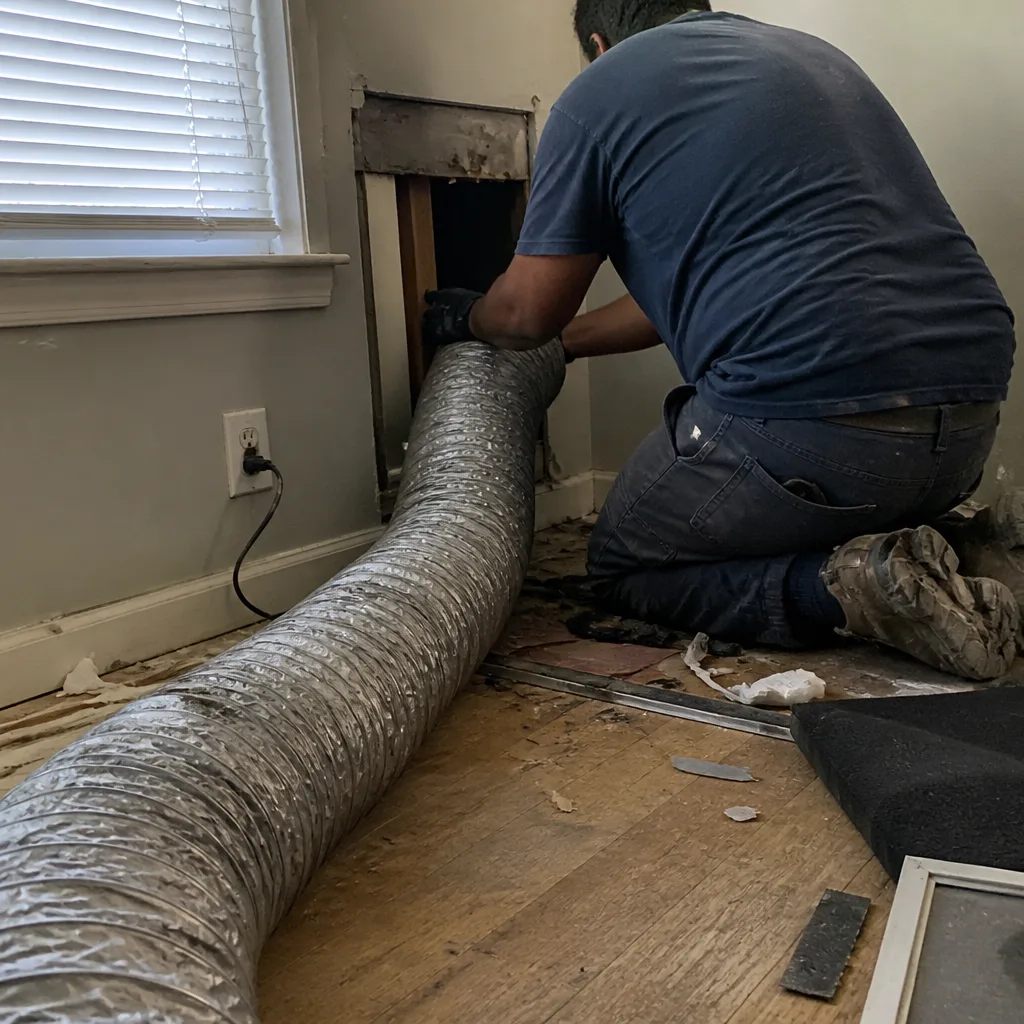 Before
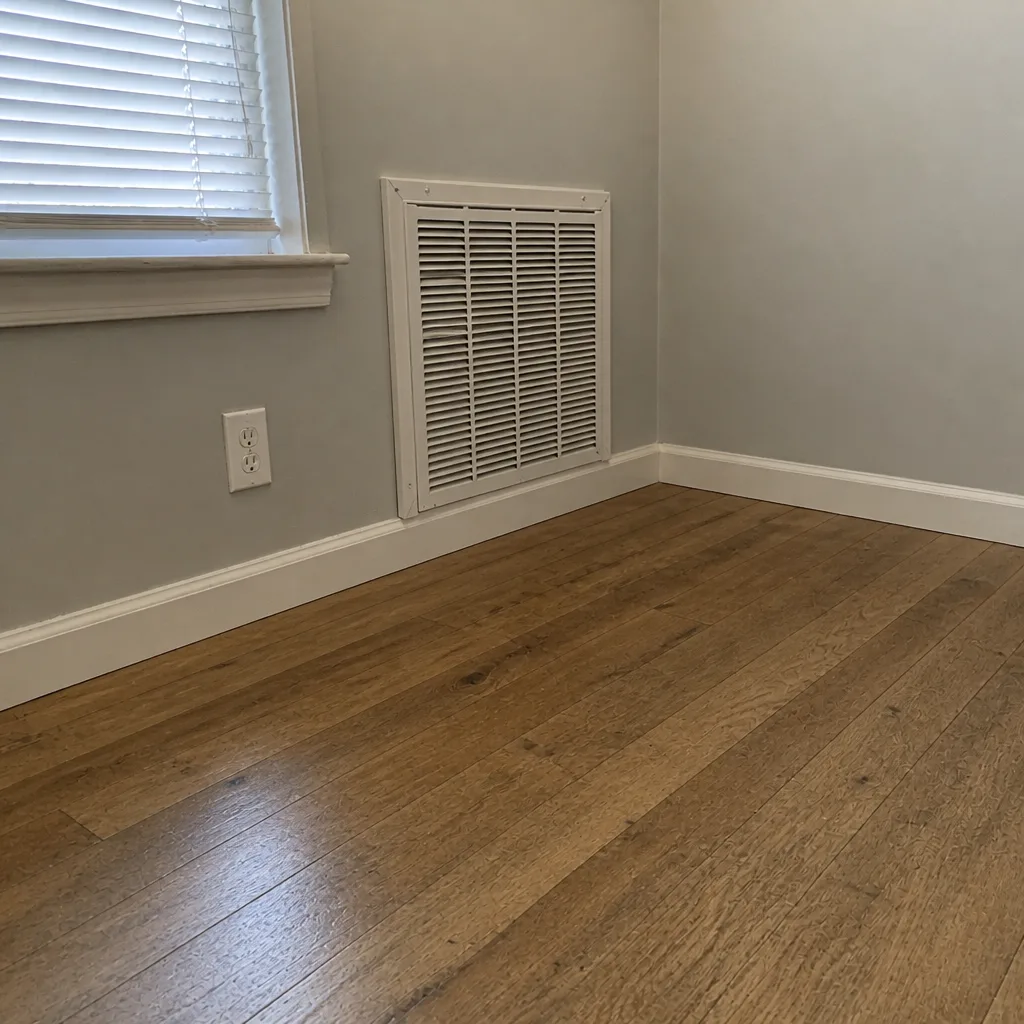 After
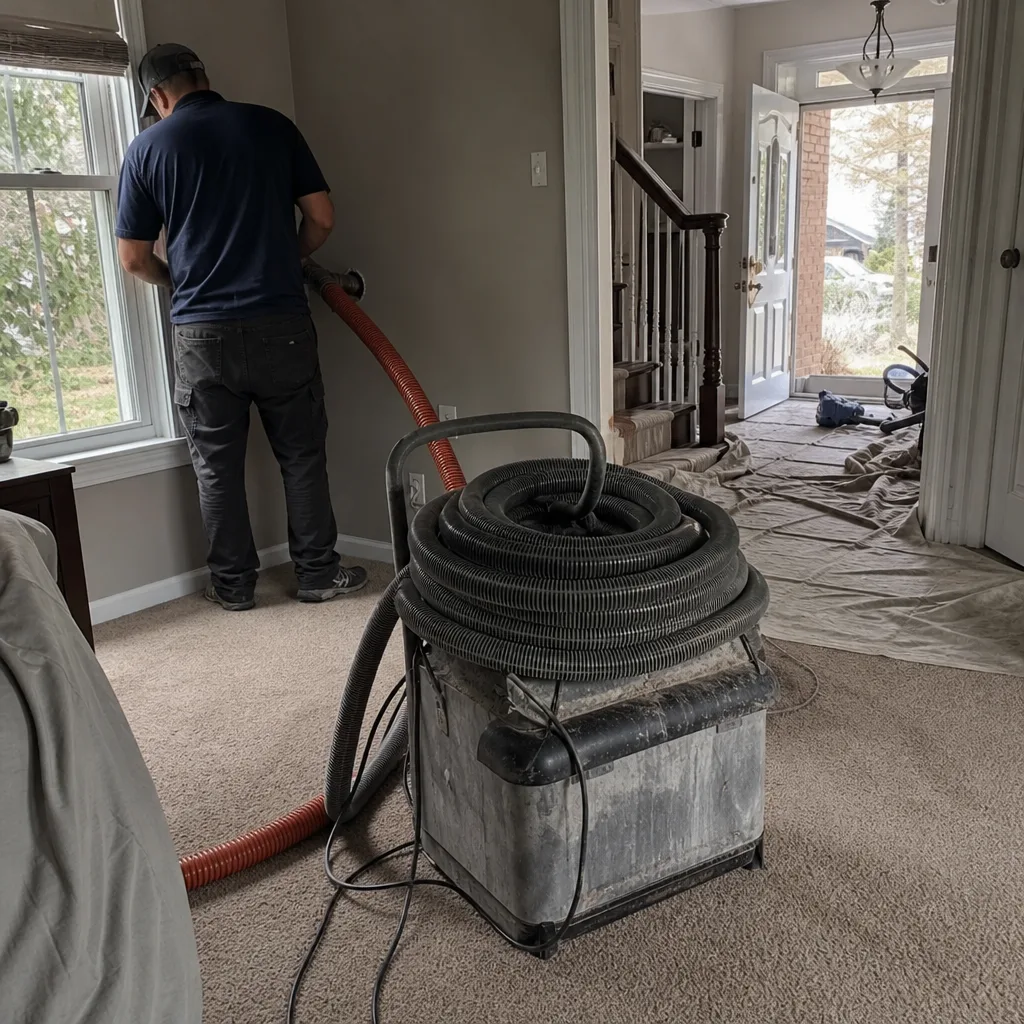 Before
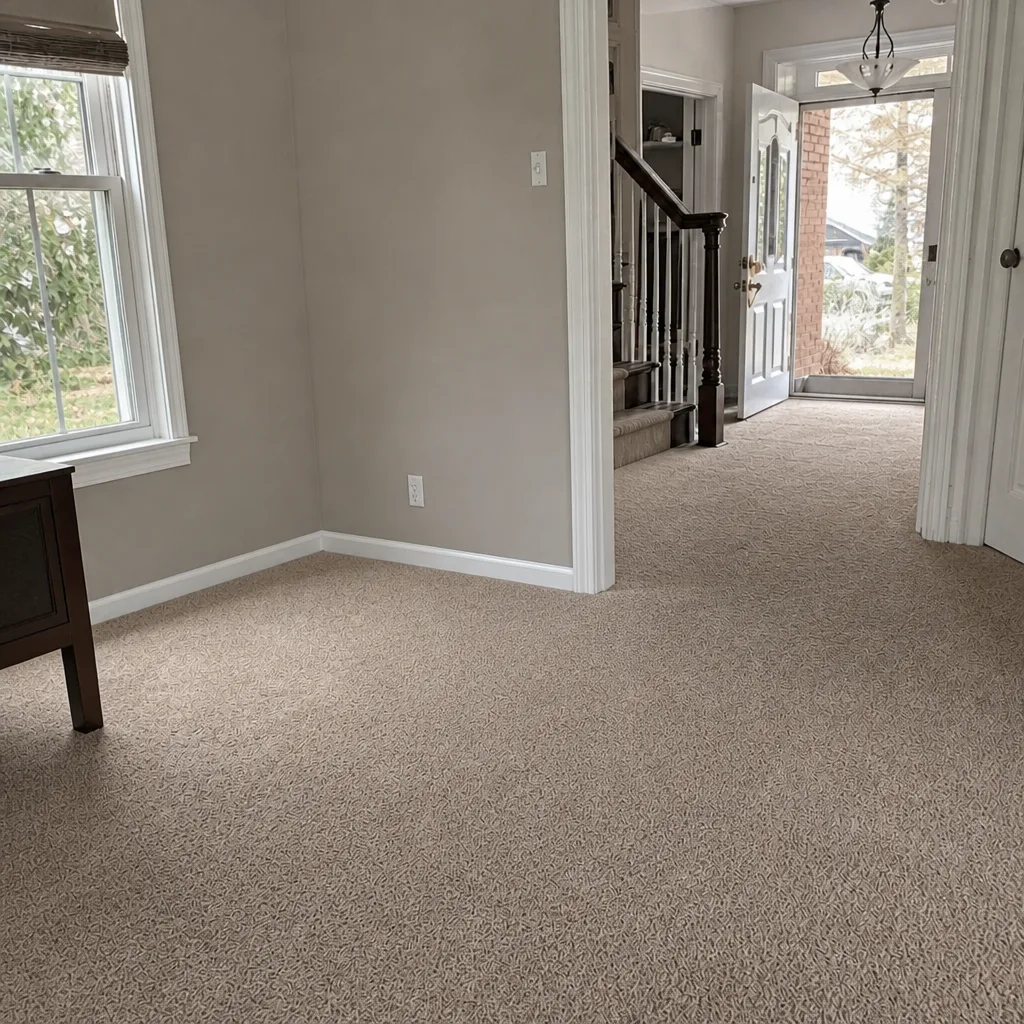 After
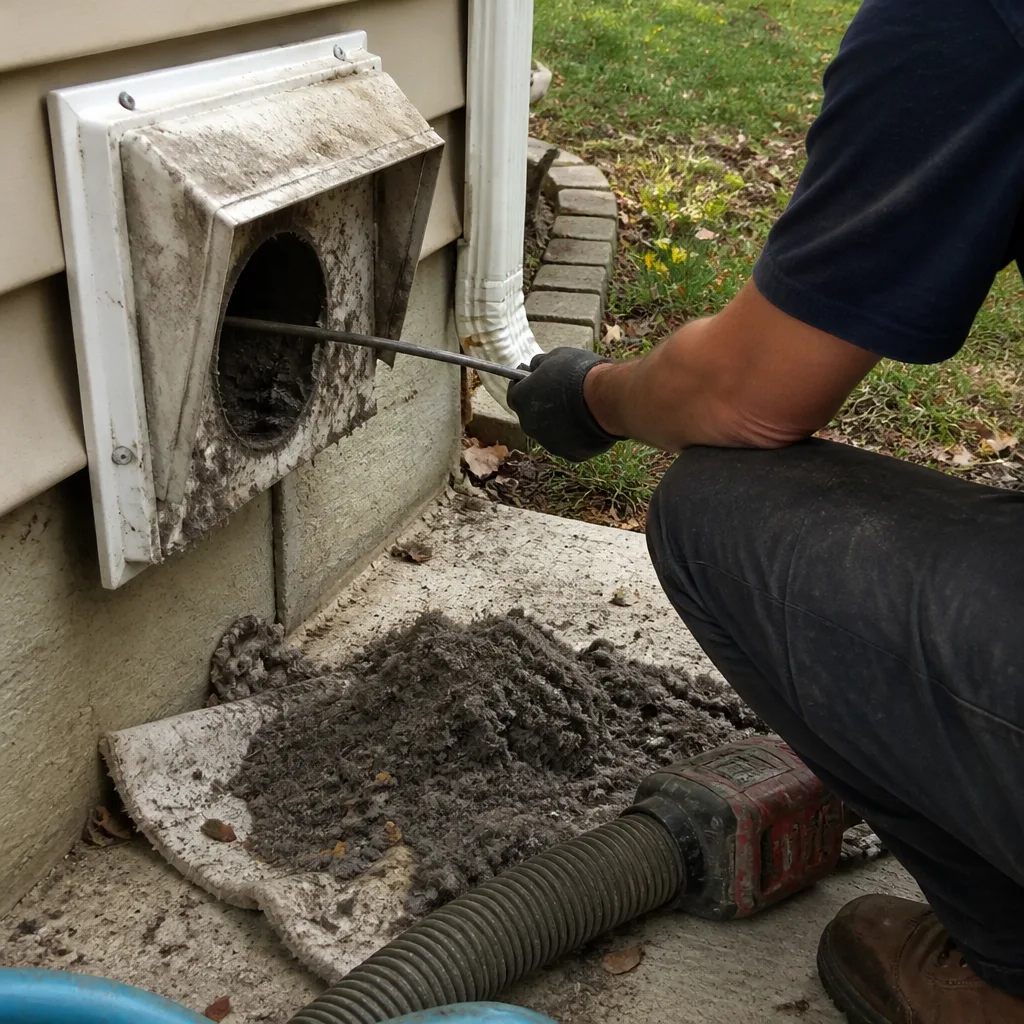 Before
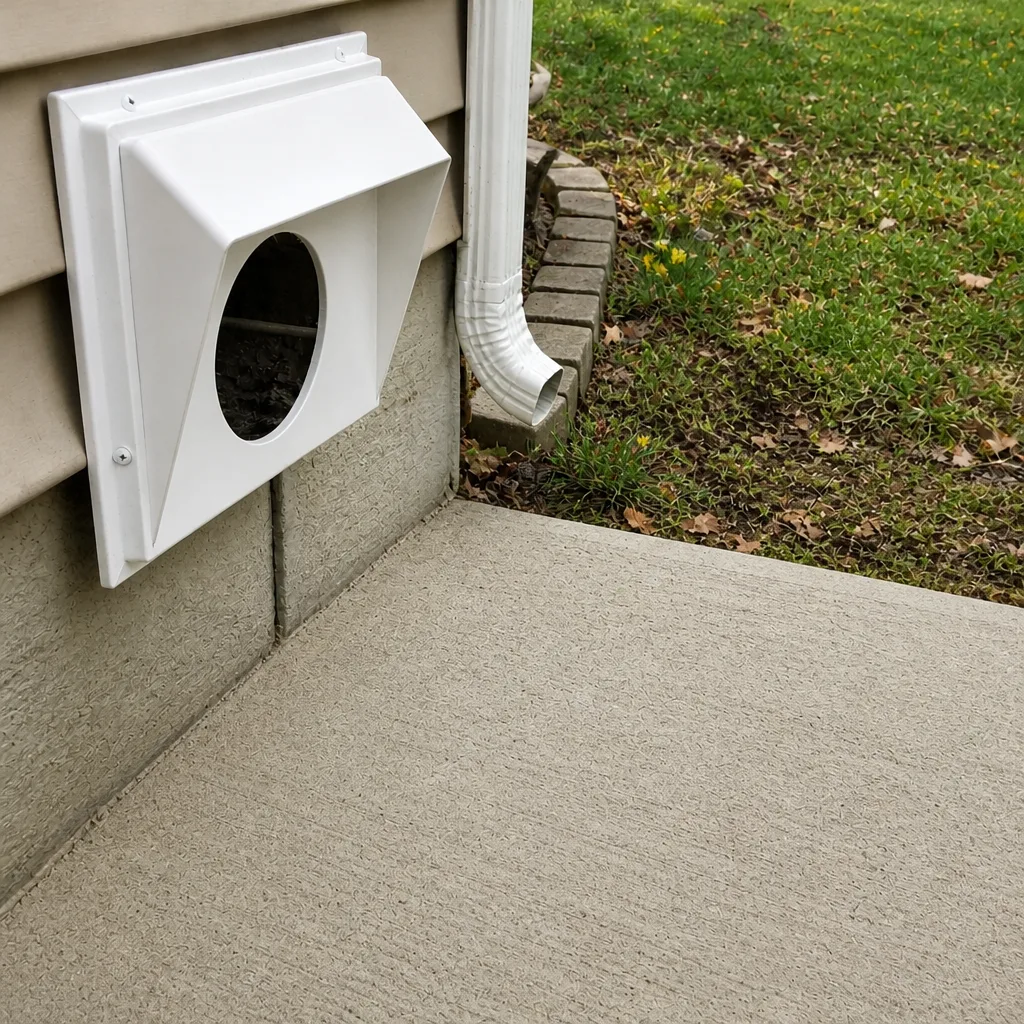 After
When to Call a Professional
Some duct problems are visible: dust puffing out of registers when the system starts, a whistling branch that suggests a leak, a musty smell when the heat kicks on, or visible contamination around the filter cabinet. Others hide inside the ductwork or in a disconnected joint above a finished ceiling. If you’ve noticed any of those signs, it’s worth a professional inspection – a camera pass can tell you whether the issue is contamination, a repair, or both. The same applies if you’re managing a rental property in Columbia and haven’t had the system inspected since the last turnover, or if you’ve recently renovated and want to confirm the ducts weren’t disturbed during construction. Stallion Air Duct Cleaning offers free estimates in Columbia – call (866) 643-6070. We answer 24/7. Fast dispatch from 7am to 7pm, Sunday through Friday.
Frequently Asked Questions
Ask for the CFM rating of their negative-air machine, the brand of their rotary brushes and vacuums, and whether they use HEPA filtration on exhaust. Recognized professional brands to listen for include Rotobrush, Nikro and Abatement Technologies. A capable operator answers all three without hesitation, and can explain how they size the equipment to your system.
Pricing is per system by written estimate, not per register, and it depends on the number of air handlers, the size of the home, and whether repair work is needed. Call (866) 643-6070 for an exact quote – estimates are free.
No. Truck-mounted units typically deliver high airflow and work well on larger homes and multi-zone systems. High-capacity portable negative-air units are equally capable in the right setting and easier to maneuver around finished basements and tight access points. What matters is whether the machine’s CFM is sized to your system, not where the motor sits.
Low quotes usually reflect cheap equipment, rushed work, and per-register pricing that adds up once the technician is on-site. A professional-grade negative-air machine and branded rotary brushes cost real money, and that cost shows up in the quote. When you compare, compare what’s included – full system coverage, camera documentation, and a written flat price – not just the headline number.
Camera documentation before and after cleaning is the standard, and any serious company should provide it. If a company can’t show you what was inside the duct before and after the cleaning, you have no way to verify the work. Ask before booking.
Most homes don’t need annual cleaning. A cleaning is worth considering when visible contamination, musty smells, recent renovations, or a new-to-you home make it relevant, and when a camera inspection confirms buildup. For Columbia’s seasonal humidity swings, inspecting duct joints at the same time is part of a proper assessment.
Yes, and it’s preferable to one contractor for each. Stallion Air Duct Cleaning handles air duct cleaning, dryer vent cleaning and duct repair as three service lines under one team. That means the answer to a disconnected joint isn’t a referral, it’s a repair on the same estimate.
Do I need to be home during the cleaning?
Most homeowners are present for the initial walkthrough and the final camera review at minimum. Talk through scheduling and access with the company when you book so the technician can plan the machine placement and hose routing around your home.
The Bottom Line
The right air duct cleaning company in Columbia is one whose equipment you can verify: professional negative-air machines rated for your system, branded rotary brushes, HEPA containment on exhaust, and camera documentation before and after the work. Price matters, but equipment and process are the foundation everything else rests on. Cleaning without repair leaves the problem in place; cleaning without documentation leaves you guessing. Ask the questions this guide lays out. The operator who answers them with specifics is the one worth booking. For a free estimate from a company that runs Rotobrush, Nikro and Abatement Technologies equipment, call Columbia‘s full-system specialist at (866) 643-6070. We answer 24/7. Fast dispatch from 7am to 7pm, Sunday through Friday.
Written by the team at Stallion Air Duct Cleaning.