
Last updated November 14, 2026
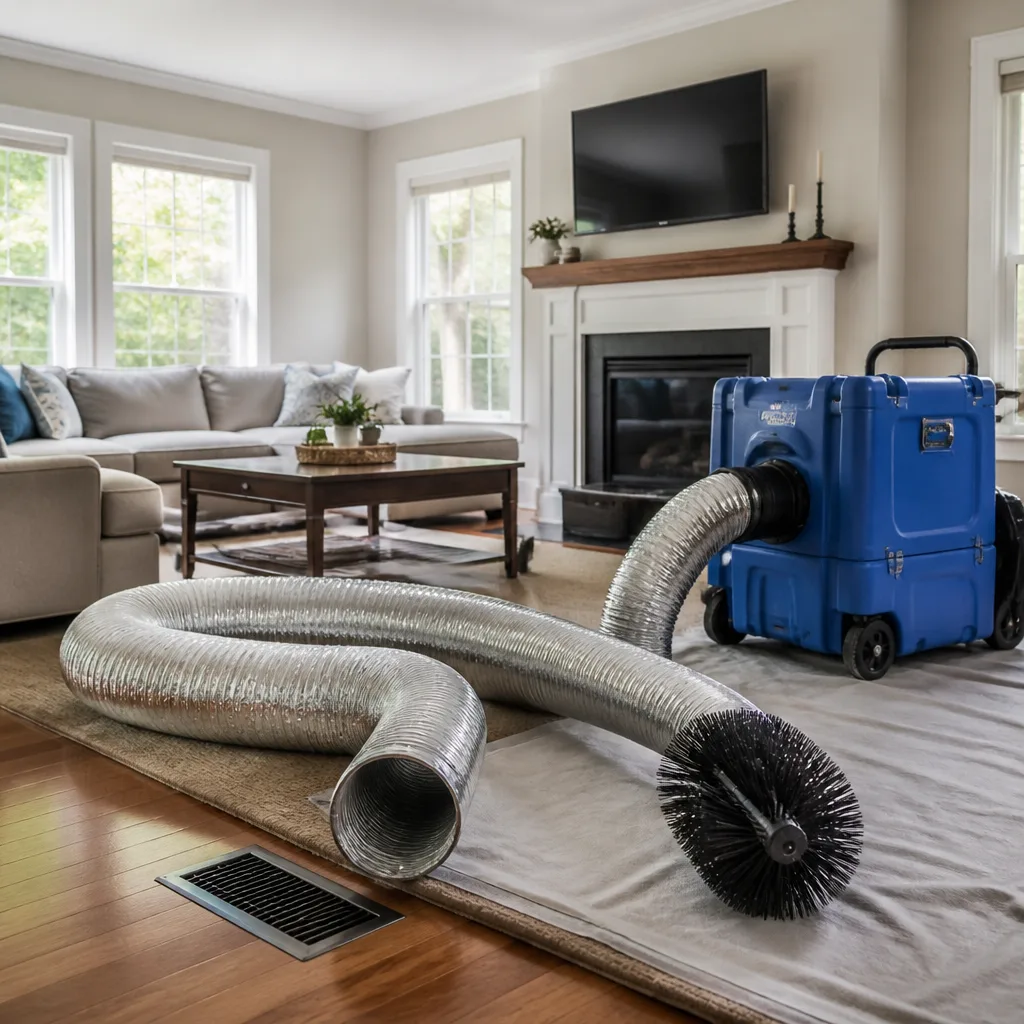 Whole-home duct cleaning
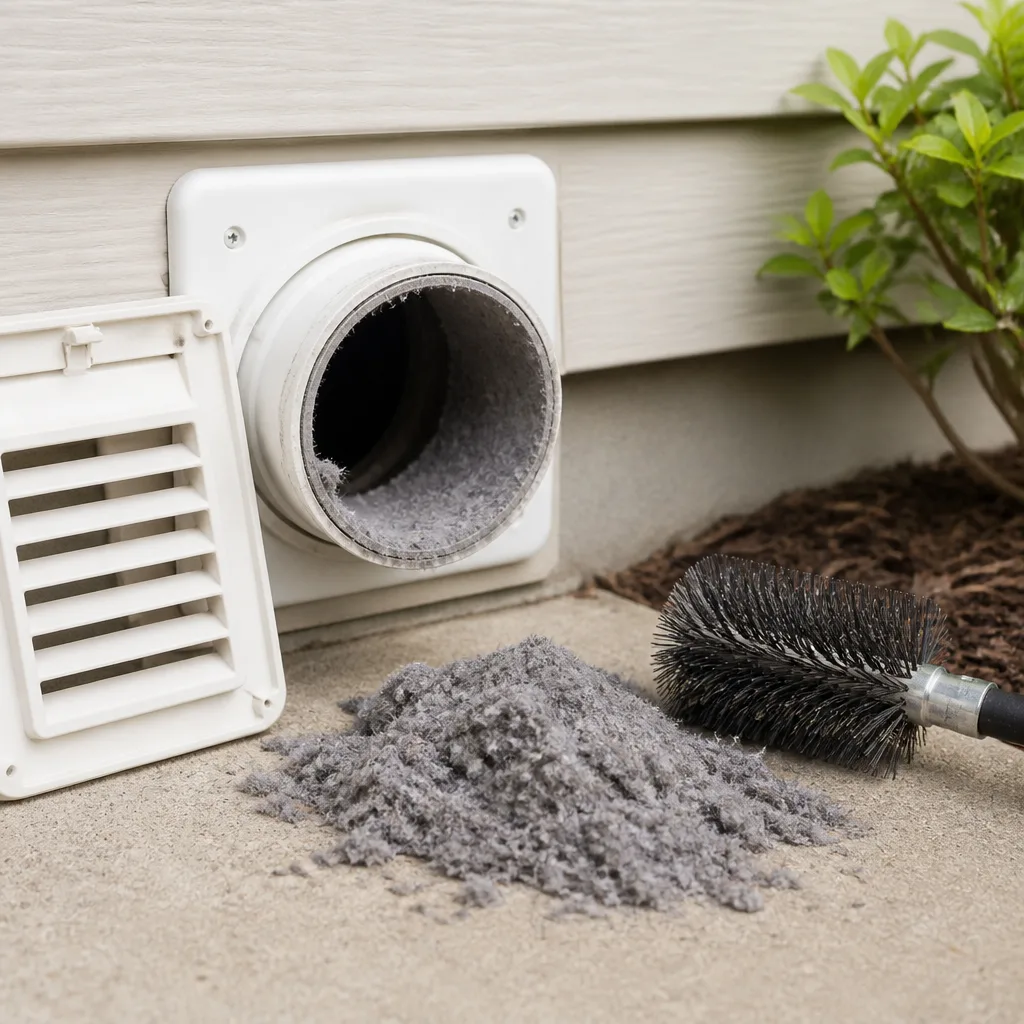 Dryer vent cleaning
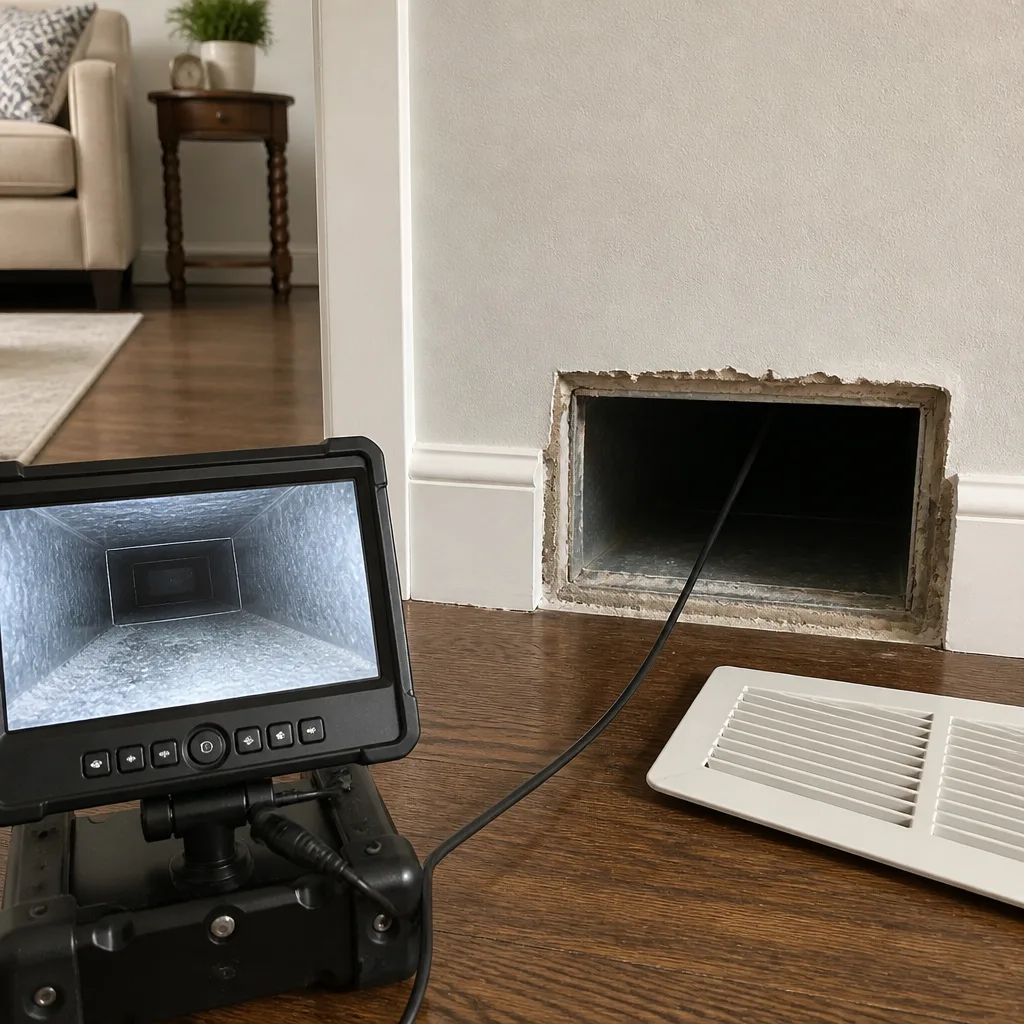 Camera inspection
 Sanitizing & deodorizing
Whole-system duct and dryer vent check with before-and-after photos - you see exactly what came out of your vents
That "$99 whole-house special" is a bait ad - the real number appears once they are in your hallway, or the "clean" is a shop-vac at the register. We photograph the inside of your ducts before and after instead.
DIY vs Professional Air Duct Cleaning: The Columbia Homeowner’s Decision Guide
Most homeowners who ask about doing their own duct cleaning are picturing the wrong part of the job. They imagine wiping dust off the grilles and running a brush down the visible vent, and they’re not wrong that those things need doing. But the dust that actually changes what you’re breathing lives in a main trunk line eight to twelve feet from the nearest register, and it’s held there by airflow the average shop vac can’t fight. We’ve watched plenty of Columbia homeowners put real effort into a DIY attempt and end up with cleaner floor grilles, dirtier supply air, and no clear picture of whether anything improved. This guide draws the technical line between what you can legitimately maintain yourself and where the physics of the job require professional equipment. You’ll learn what CFM and static pressure actually mean for duct cleaning, which tasks belong on your own to-do list, which ones carry real risk, and how to decide using trigger conditions instead of guesswork.
Quick Answer
Professional air duct cleaning is worth it whenever your ducts carry heavy buildup, visible mold, vermin evidence, or post-renovation dust, because those conditions require negative-air containment and agitation tools no consumer vacuum can match. DIY is legitimate for grille and register cleaning, filter replacement, and dryer vent lint-trap upkeep between professional visits. The dividing line is the main trunk line: if the debris you’re worried about sits beyond the register boot, it’s professional scope in Columbia and almost everywhere else.
Key Takeaways
- Consumer vacuums and DIY duct kits cannot generate the negative pressure needed to pull debris from a main trunk line.
- Grille cleaning, filter sizing, and lint-trap maintenance are real DIY tasks and worth doing well between professional cleanings.
- Pushing a brush into a branch duct can dislodge debris into the system rather than remove it.
- Fiberglass duct liner, common in Columbia’s older housing stock, damages easily under uncontrolled agitation.
- Post-renovation, mold, vermin, and pre-move-in inspections are professional-scope triggers regardless of budget preference.
Styles & brands we work with
- Whole-home duct cleaning
- Dryer vent cleaning
- Camera inspection
- Sanitizing & deodorizing
Table of Contents
- The Technical Threshold: Why CFM and Static Pressure Decide This
- What Homeowners Can Legitimately Do Themselves
- The Real Risks of DIY Beyond the Grille
- Columbia’s Housing Stock and the Fiberglass Liner Problem
- A Decision Matrix Based on Trigger Conditions
- What a Professional Duct Cleaning Actually Involves
- How Often Ducts Really Need Cleaning
- Common Mistakes to Avoid
The Technical Threshold: Why CFM and Static Pressure Decide This
Air duct cleaning works by moving air. Not by scrubbing surfaces, and not by reaching into a vent with a tool that fits. A cleaning system has to create enough negative pressure inside the duct to pull loose debris toward a collection point against the natural direction of the HVAC blower, and in some spots against gravity. That’s the whole game, and it’s where DIY equipment falls away from professional systems by an order of magnitude.
Three numbers matter:
- CFM (cubic feet per minute): the volume of air a vacuum can move. Truck-mounted and high-capacity portable duct systems are engineered to pull air through the length of a trunk line, not just the boot at the register.
- Static pressure: the suction force a system can hold against resistance. Duct runs are full of resistance, including elbows, transitions, dampers, and accumulated debris. Suction that collapses the moment it meets a ninety-degree turn isn’t cleaning anything.
- Containment: the ability to keep what you’ve loosened from going back into the living space. Professional setups route debris into a HEPA-filtered collection system.
This is why a shop vac and a vent brush accomplish a fraction of a real cleaning. A shop vac pulls air through a hose, and its suction dies the moment the hose is longer than a few feet or the path turns. What it can improve is the surface it can physically touch: grille faces, the first few inches of a boot, and loose dust that was already about to fall out. Push the same tool into a branch run and it mostly stirs material that then settles downstream or blows back into the room on the next heating cycle. That’s the boundary line. It isn’t a question of skill or effort. It’s a question of whether the equipment can establish a pressure differential across the whole duct footprint, and consumer tools can’t.
Our technicians have up to 13 years of experience, and the pattern is consistent: DIY attempts fail at the trunk line, not at the register. When we bring in equipment from Abatement Technologies for containment-grade particulate control, the goal is to hold what we’ve loosened inside the system until it leaves through a filter, not through your living room. If you want to understand what that process looks like end to end, our air duct cleaning page walks through the steps.
What Homeowners Can Legitimately Do Themselves
There’s a real list here, and we’d rather you do these tasks well than skip them because someone told you only a professional can touch anything HVAC-related. Three maintenance jobs belong to you:
- Grille and register cleaning. Remove the supply and return grilles with a screwdriver, wash them in warm soapy water, dry them fully, and reinstall. Wipe the visible boot surface with a damp cloth. This handles the dust you can see and the dust that falls onto floors, which is worth doing.
- Filter replacement with correct sizing. Match the filter to the exact dimensions printed on your current filter frame, not to a close approximation. A filter that doesn’t seat fully lets air bypass around the edges, which defeats the purpose regardless of its rating. Check the filter monthly during heavy heating or cooling seasons and replace it on the schedule the manufacturer states.
- Dryer vent lint-trap upkeep. Clean the lint screen before every load. Pull the dryer out occasionally and vacuum the lint that collects behind it and around the vent connection. This is meaningful fire-safety maintenance and it belongs on your calendar.
Those three tasks are the between-service layer. They keep the system from loading up faster and they give you a real sense of how much debris is being produced. What they don’t do is address the accumulated material sitting in the trunk line, the branch runs you can’t reach, or the coil and plenum areas where the air actually gets conditioned.
For the deeper work, professional equipment changes what’s possible. Rotary-brush systems like Rotobrush are purpose-built to agitate duct walls under controlled rotation while a vacuum holds the loosened material, and that’s a combination no consumer tool replicates. Dryer vents deserve the same professional treatment periodically, not just lint-trap attention, because lint accumulates along the full vent run in ways the screen never sees. Our dryer vent cleaning service covers the full vent path rather than the reachable portion. For a broader view of who we are and how we work, start with Stallion Air Duct Cleaning.
The Real Risks of DIY Beyond the Grille
The risky part of DIY duct cleaning isn’t the grille. It’s everything past it. People who buy a consumer duct brush kit and push it into a branch run usually believe they’re removing debris. In practice, three failure modes show up again and again.
Debris gets dislodged instead of extracted. A brush loosens material. Without sufficient vacuum pressure to carry it to a collection point, that material simply moves. It settles further down the run, drops into a transition, or blows back into the room on the next cycle. You’ve redistributed the problem rather than solved it, and the visible improvement at the register makes it look like the job worked.
Flex duct liners get damaged. Flexible duct has a thin inner liner, often a plastic film or a foil layer, and it tears easily. A rotating brush without controlled speed or a way to feel resistance will rip that liner, which then creates a rough surface that catches debris and a path for air to escape into a wall cavity. Repairing a torn liner costs more than the cleaning would have.
Mold spores spread without HEPA containment. If there’s microbial growth anywhere in the system, agitation without HEPA filtration at the collection point turns a contained problem into an airborne one. This is exactly the scenario where containment-first equipment matters, and it’s why professional duct and dryer vent cleaning operates with a filtration stage on the exhaust side. Consumer setups have no equivalent.
There’s a safety dimension here too. Air handlers, coils, and electrical components sit inside the air pathway. A homeowner reaching into a plenum to clean isn’t just risking duct damage; they’re working near live electrical connections and sharp metal edges. Turn the system off at the breaker before touching anything inside, and be honest with yourself about whether the task in front of you is grille cleaning or something that involves opening the air handler.
Columbia’s Housing Stock and the Fiberglass Liner Problem
Columbia’s neighborhoods span several decades of construction, and that matters for duct cleaning in a specific way. Homes built in earlier decades frequently used fiberglass duct board and fiberglass-lined galvanized duct. The liner is there for thermal and acoustic reasons, and it’s soft. It also has a textured surface that captures and holds dust in a way bare metal doesn’t.
That combination, soft liner plus high dust retention, makes agitation control the whole job. A rotating brush run at the wrong speed or pushed with too much force will abrade the liner surface, break down the fiberglass, and send glass fibers into the supply air. Those fibers are the last thing you want circulating through a Columbia home. Professional rotary-brush systems let a technician control rotation speed and brush contact, and the technician can feel the difference between cleaning a surface and grinding it. A drill-mounted consumer brush offers no such feedback. It spins at whatever the drill produces and doesn’t stop when it hits resistance.
Older housing stock also means ducts that have been through more renovation cycles. Additions, kitchen remodels, and basement finishes all generate drywall dust and construction debris that settles into returns. Homes in the village centers and older Columbia neighborhoods tend to have more of this accumulated load than newer construction, simply because more work has happened inside them over time. If you’ve recently renovated, the dust in your returns isn’t household dust. It’s gypsum and silica, and it’s finer and more abrasive than the usual lint and skin-cell mix.
Humidity plays a role as well. Columbia’s summers run humid enough that a duct system with a cold supply plenum and less-than-perfect insulation can develop condensation on duct surfaces, and where moisture persists, microbial growth follows. That’s a condition to identify and correct, not one to agitate without containment. When we recommend IAQ upgrades alongside cleaning, it’s often with Honeywell or Aprilaire components the homeowner’s HVAC installer already trusts, because duct cleaning and whole-home air quality are the same conversation, not two separate ones. If you’re in Columbia and want a realistic read on your system, the local page at Columbia lays out how we approach the area.
A Decision Matrix Based on Trigger Conditions
Most homeowners try to make this decision based on budget preference or how dirty the grilles look. Both are unreliable. What actually predicts whether you need professional service is whether a trigger condition is present. If any of these apply, it’s professional scope regardless of how much you’d rather handle it yourself.
- Recent renovation or construction. Drywall dust, sawdust, and insulation particles have settled throughout the returns. This is fine particulate that resists consumer vacuuming and keeps re-entering the living space with every cycle.
- Visible mold or a musty smell that returns. Growth on duct surfaces or in the plenum requires containment-grade removal, and often requires identifying and fixing the moisture source before cleaning makes sense.
- Vermin evidence. Droppings, nesting material, or a smell in the ductwork means biological contamination. This is a professional job with proper protective equipment, full stop.
- Purchasing an older home. You don’t know the cleaning history. Before you move in is the cheapest and easiest time to establish a baseline.
- Recent water intrusion or a flooded space. Any duct system that has been exposed to standing water or significant moisture needs inspection before it’s put back into service.
- Symptoms that track with system use. If allergy-type irritation reliably worsens when the system runs, the air pathway deserves a professional look. This is general guidance, not a medical diagnosis, and persistent symptoms are worth discussing with a doctor.
- Noticeable airflow drop or uneven room temperatures. This often points to a duct problem rather than a dust problem, and it needs diagnosis.
If none of those apply, you’re in maintenance territory. Change the filters, clean the grilles, keep the lint trap clear, and consider professional cleaning if it’s been several years or you simply don’t know the history. That’s a reasonable position and we won’t pretend otherwise.
One more condition that gets missed: ducts that are failing physically. Disconnected joints, crushed flex runs, torn liners, and poorly sealed transitions don’t get fixed by cleaning, and no amount of vacuuming helps a duct that’s leaking into a crawl space. That’s why we offer Air Duct Repair alongside cleaning. We’d rather find the root cause and fix it than clean around a problem that will come right back. It’s the difference between a cleaning visit and a working system.
What a Professional Duct Cleaning Actually Involves
Knowing what’s supposed to happen is your best protection against a cut-rate job, so here’s the process in order. It’s also how you’ll know whether a crew did real work or just made some noise.
- System assessment. Locate every supply and return, identify the duct material and construction, check for disconnected runs and damaged liner, and note any moisture or microbial evidence.
- Containment setup. Establish negative pressure at a collection point, typically through the main trunk or at the air handler, with HEPA-level filtration on the exhaust. Abatement Technologies equipment exists for exactly this purpose.
- Agitation through every run. Rotobrush rotary tools work each branch and trunk, forward and back, loosening debris from the duct walls while the vacuum holds it.
- Source removal, not surface dusting. The debris leaves the system and is captured. A cleaning where nothing gets collected is a surface wipe, not duct cleaning.
- Component cleaning. Grilles, registers, and the accessible portions of the air handler get attention.
- Verification. Before-and-after documentation with photographs of your own system, so you can see what was removed.
Skipping steps is where cheap work shows itself. No containment means loosened debris redistributes. No agitation means only the accessible film comes off. No verification means you have no way to know what happened. If you’re comparing quotes, ask what equipment the crew uses and whether you’ll receive photos. We work with Guardsman-grade professional products in the cleaning and protection process, and we tell homeowners what equipment we’re bringing before we arrive.
How Often Ducts Really Need Cleaning
There’s no universal number, and anyone who gives you one is simplifying a system-specific question. The honest answer depends on what your home produces and what it’s been through.
As a general framework: a home with no pets, no allergies, no recent renovation, and a well-maintained filtration setup may go several years between cleanings. Add pets, allergy sufferers, a remodeling project, or a duct system with known moisture issues, and the interval shortens considerably. Dryer vents run on their own schedule entirely, and they deserve attention based on lint accumulation and manufacturer guidance rather than a fixed annual rule.
Rather than relying on a calendar, watch for signals. Grilles that re-dust within days. Dust patterns on ceilings near supply registers. A musty smell that shows up when the system starts. Increased dust on horizontal surfaces throughout the house. Slow airflow at specific registers. Any of those says “look closer,” whether it’s been three years or eight.
The practical move in Columbia is to treat filter changes and grille cleaning as ongoing, and professional cleaning as an event tied to a trigger. That combination costs less over time than either extreme: endlessly paying for unnecessary cleanings on one side, or letting a system accumulate until the debris load is severe on the other. One flat price per system agreed before work starts is how we quote this, and the written estimate sets the final price.
Common Mistakes to Avoid
- Believing a shop vac is cleaning your ducts. It’s cleaning your grilles. Suction drops off within a few feet of hose, so a shop vac can’t reach or extract from a main trunk line. Treat it as a surface tool and set your expectations accordingly.
- Pushing a brush into a branch duct without knowing what the duct is made of. In Columbia homes with fiberglass-lined duct, a spinning brush against soft liner abrades it and sends fibers into the supply air. Know your duct material before anything goes inside it.
- Skipping containment when there’s visible growth. Agitating mold without HEPA containment at the collection point spreads spores through the house. If there’s growth, the containment decision comes before the cleaning decision.
- Choosing a quote on price alone. The low number is usually a quick pass with no containment, no agitation of the full run, and no photographic record. Ask what equipment is used and what documentation you’ll receive before comparing dollars.
- Ignoring the dryer vent except for the lint screen. Lint collects along the full vent run, not just at the screen. The screen is the maintenance task; the full run needs periodic professional attention.
- Cleaning around a duct that’s physically broken. A disconnected joint or a crushed run means the system is leaking regardless of cleanliness. Repair has to come before or alongside cleaning for the result to hold.
- Using the wrong filter size to avoid a second trip. An undersized or oversized filter leaves gaps that let air bypass the media entirely. Match the dimensions printed on the frame.
See the difference
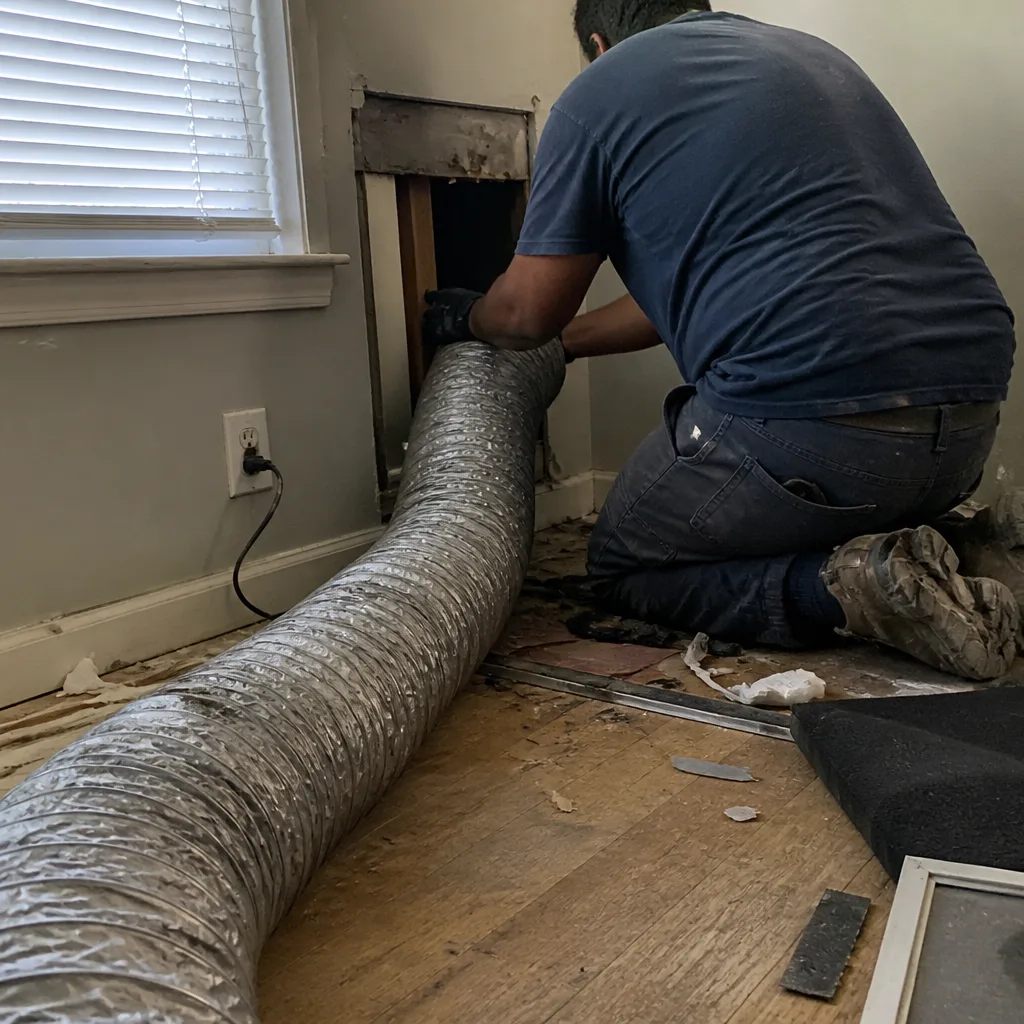 Before
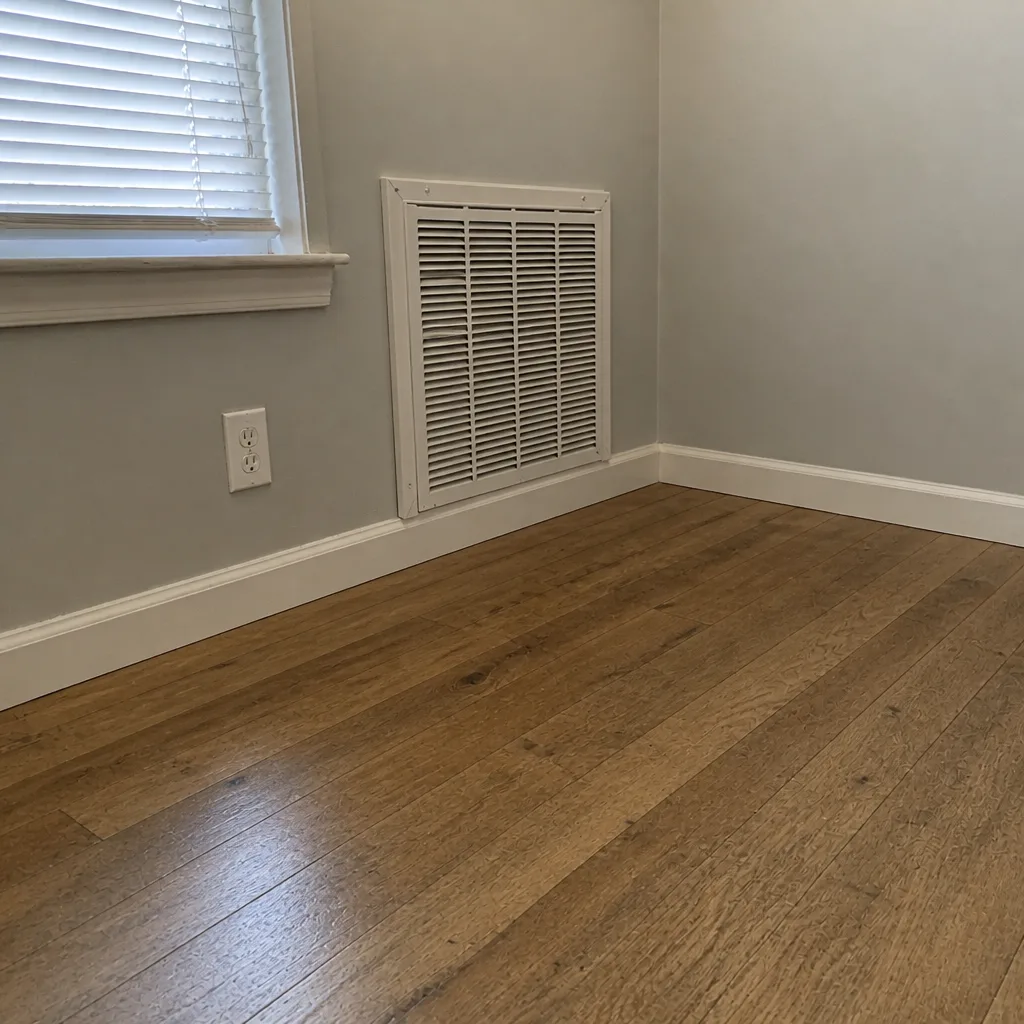 After
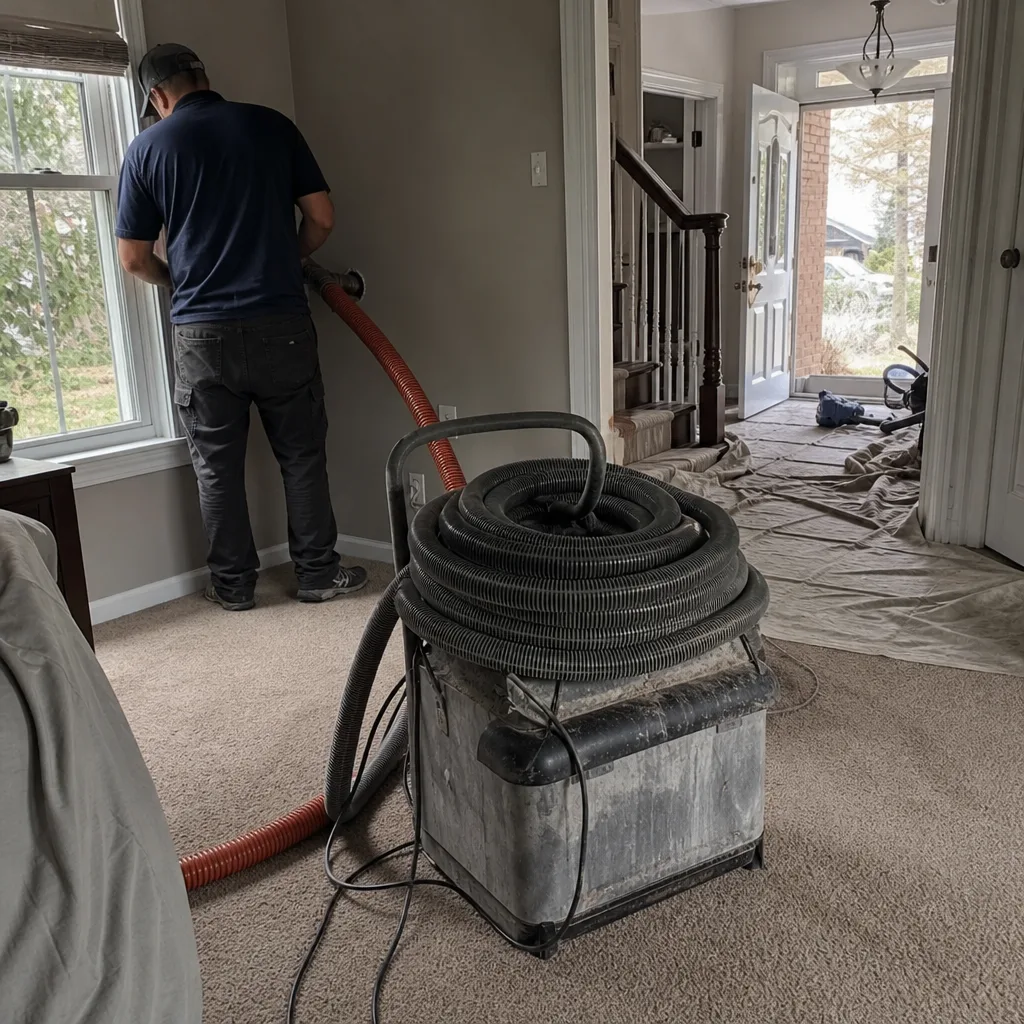 Before
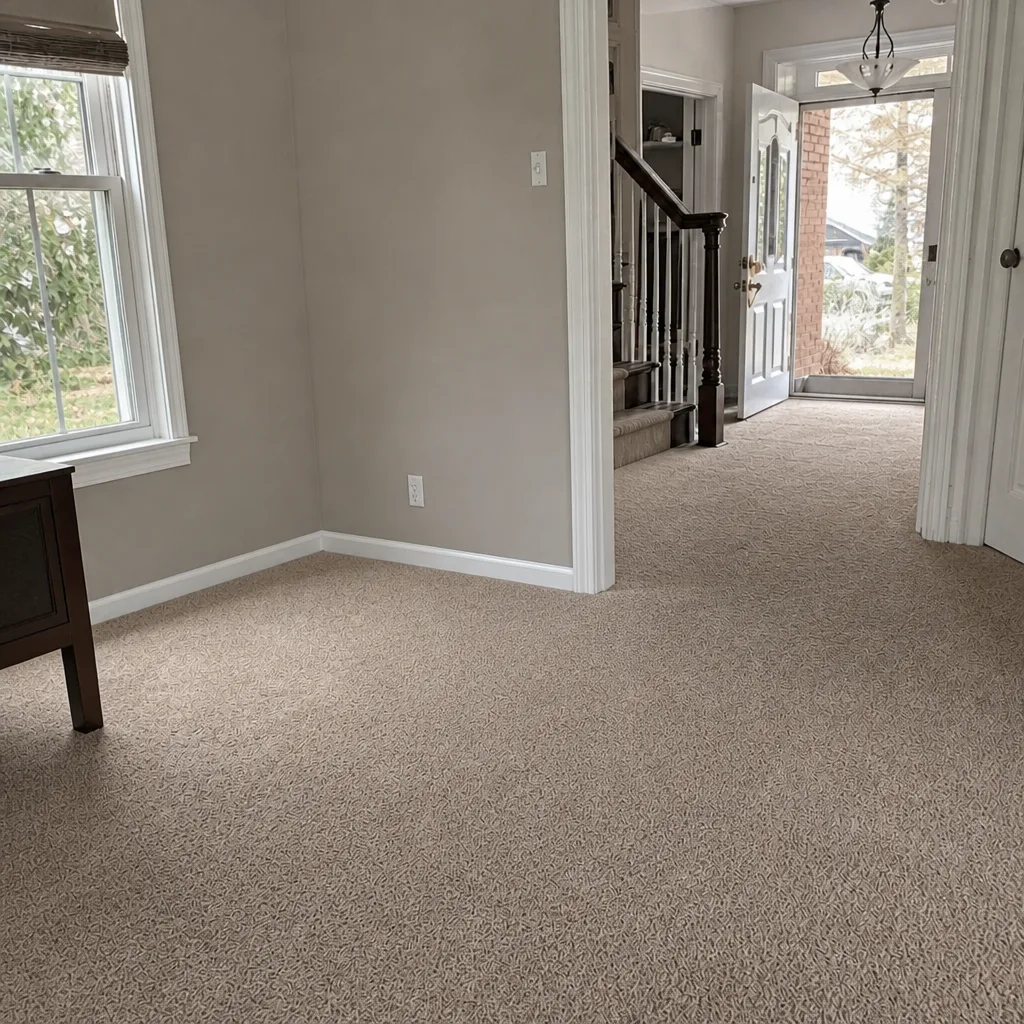 After
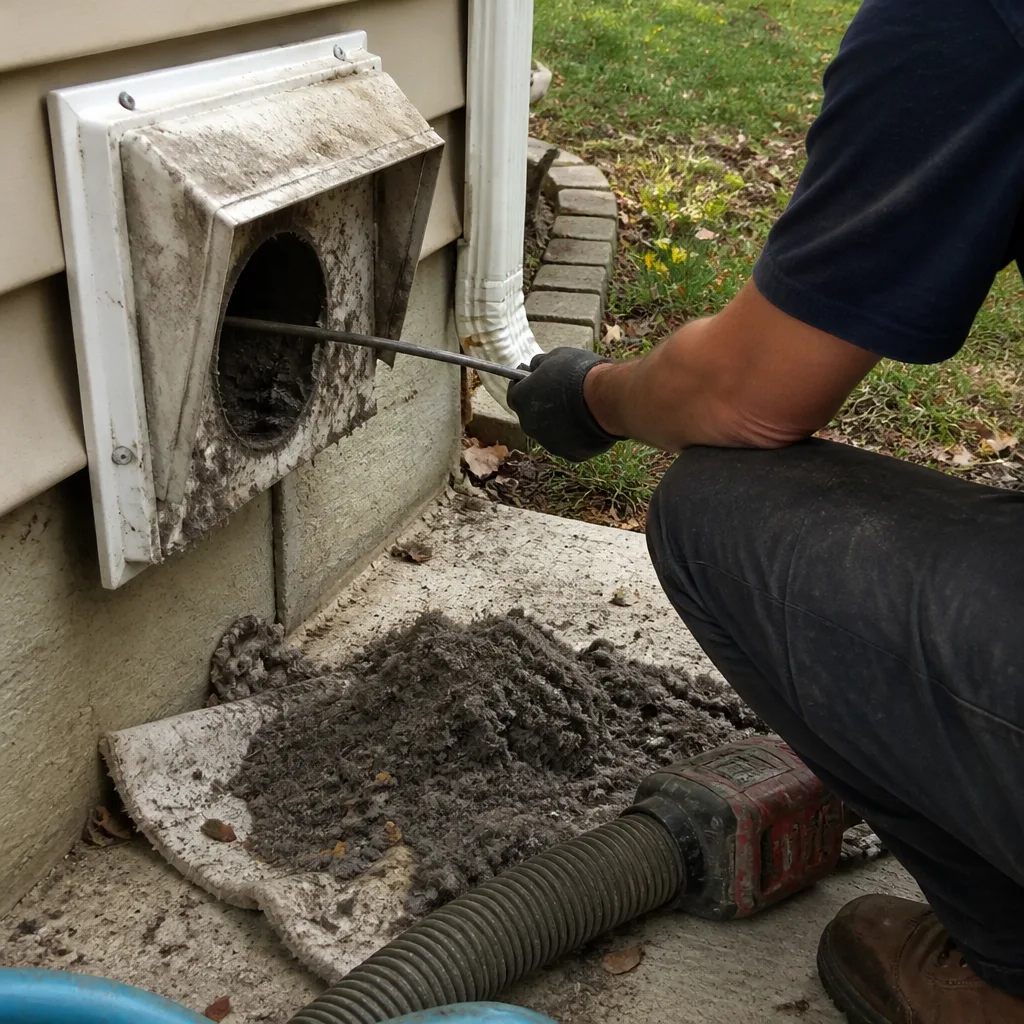 Before
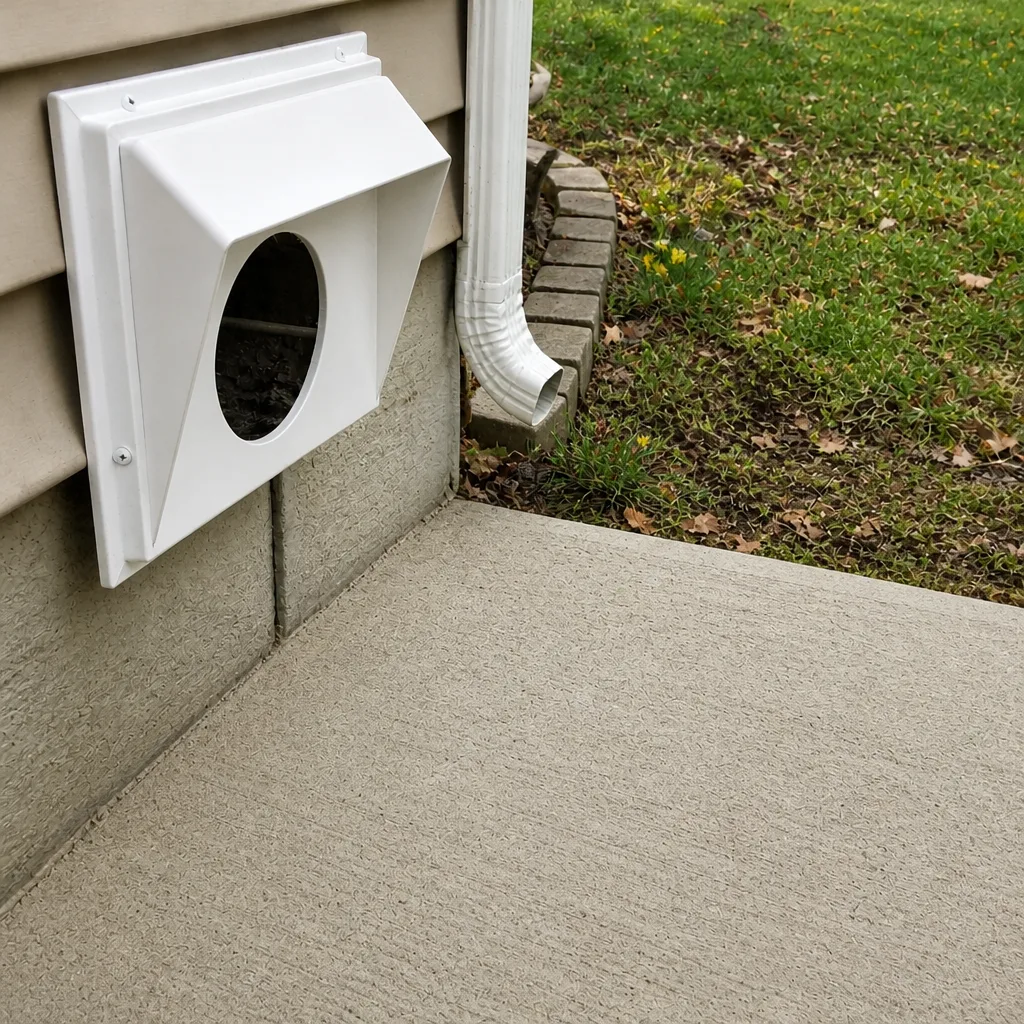 After
When to Call a Professional
Call when any trigger condition applies: you’ve just finished a renovation, you’ve seen mold or smelled something musty that keeps coming back, you’ve found vermin evidence, you’ve bought an older home and don’t know the duct history, or your system has taken on water. Call when airflow is uneven or temperatures differ sharply between rooms, because that’s a duct problem that needs diagnosis, not a cleaning. And call when your gut says the buildup is beyond what you can reach, even if the grilles look fine. A professional assessment costs you nothing and tells you whether you need the service at all. Stallion Air Duct Cleaning offers free estimates in Columbia. Call (866) 643-6070 to book one, and we’ll tell you honestly whether your system needs duct cleaning, repair, or just a filter schedule.
Frequently Asked Questions
Professional duct cleaning is worth it when heavy buildup, mold, vermin, renovation dust, or unknown history is present, and DIY is a reasonable substitute only for grille cleaning, filter changes, and lint-trap upkeep. The reason is equipment capacity, not expertise: consumer vacuums can’t establish the negative pressure needed to extract debris from a main trunk line. Call (866) 643-6070 for an exact quote, and estimates are free.
Air duct cleaning in Columbia is priced per system rather than per vent, and the written estimate you receive before work starts sets the final price. That’s deliberate. Per-vent pricing makes a low headline number possible and leaves the total unclear until the technician is already in your home. Ask for a whole-system figure in writing, ask what equipment the crew brings, and ask whether you’ll get before-and-after photos of your own ducts. Call (866) 643-6070 for a free estimate on your specific system.
Cheap quotes usually omit containment, agitation of the full duct run, or both, which turns a cleaning into a quick surface pass that redistributes debris rather than removing it. Those jobs are faster because less work is being done, and the result often looks the same at the grille. Ask each company what equipment they use and whether photographic documentation is included. One flat price per system agreed in writing before work starts is the standard worth holding out for.
You know because you can see it: before-and-after photographs of your own duct system, taken during the job, plus a clear explanation of what was found. Verbal assurances aren’t verification. A legitimate cleaning also produces collected material, which is the physical evidence that source removal happened. If a company can’t show you photos of what came out of your ducts, ask why. Call (866) 643-6070 to schedule an estimate with documentation included.
Yes, and the damage is most likely inside the duct rather than at the grille. Consumer brushes pushed into branch runs can tear flex duct liners or abrade fiberglass duct board, and they can dislodge debris that then settles downstream or blows back into the room. In Columbia homes with older fiberglass-lined duct, that abrasion risk is significant. Cleaning grilles and changing filters is safe; opening up the system is a different job.
There’s no fixed interval that fits every home: a Columbia house with no pets, no allergies, and no recent work may go several years, while a home with shedding pets, an allergy sufferer, or a recent remodel needs attention sooner. Track signals instead of dates. Grilles that re-dust within days, dust collecting near supply registers, and a musty smell that returns when the system runs all say it’s time to look. Call (866) 643-6070 and we’ll give you an honest read, free.
Cleaning removes accumulated debris from inside a functioning system, while repair addresses physical failures like disconnected joints, crushed flex runs, or torn liners that keep the system from working regardless of how clean it is. Cleaning a broken duct is wasted effort because the leak remains. We do both, which means we can identify and fix the root cause rather than cleaning around a problem that returns.
Yes, periodically, because lint accumulates along the full length of the vent run and not only at the screen. Cleaning the lint trap before every load is a legitimate DIY habit and worth keeping. The full vent path needs professional attention on its own schedule, and it’s part of the same ventilation system that handles your ductwork. Call (866) 643-6070 to book both together.
The Bottom Line
The DIY vs professional question comes down to one technical fact: no consumer tool generates the negative pressure required to extract debris from a main trunk line. That’s why a shop vac and a vent brush handle the grille and stop there, while the material that actually shapes your indoor air stays in place. Do the maintenance work yourself and do it well: clean the grilles, size the filters correctly, keep the lint trap clear. Then let professional equipment handle the trunk lines, branch runs, and full dryer vent path, especially if a trigger condition applies. In Columbia, where older homes with fiberglass duct liner need controlled agitation, that division matters. We’re here when you need the deep side of it. Call (866) 643-6070 for a free estimate. We answer 24/7. Fast dispatch from 7am to 7pm, Sunday through Friday.
Written by the team at Stallion Air Duct Cleaning.