
Last updated November 14, 2026
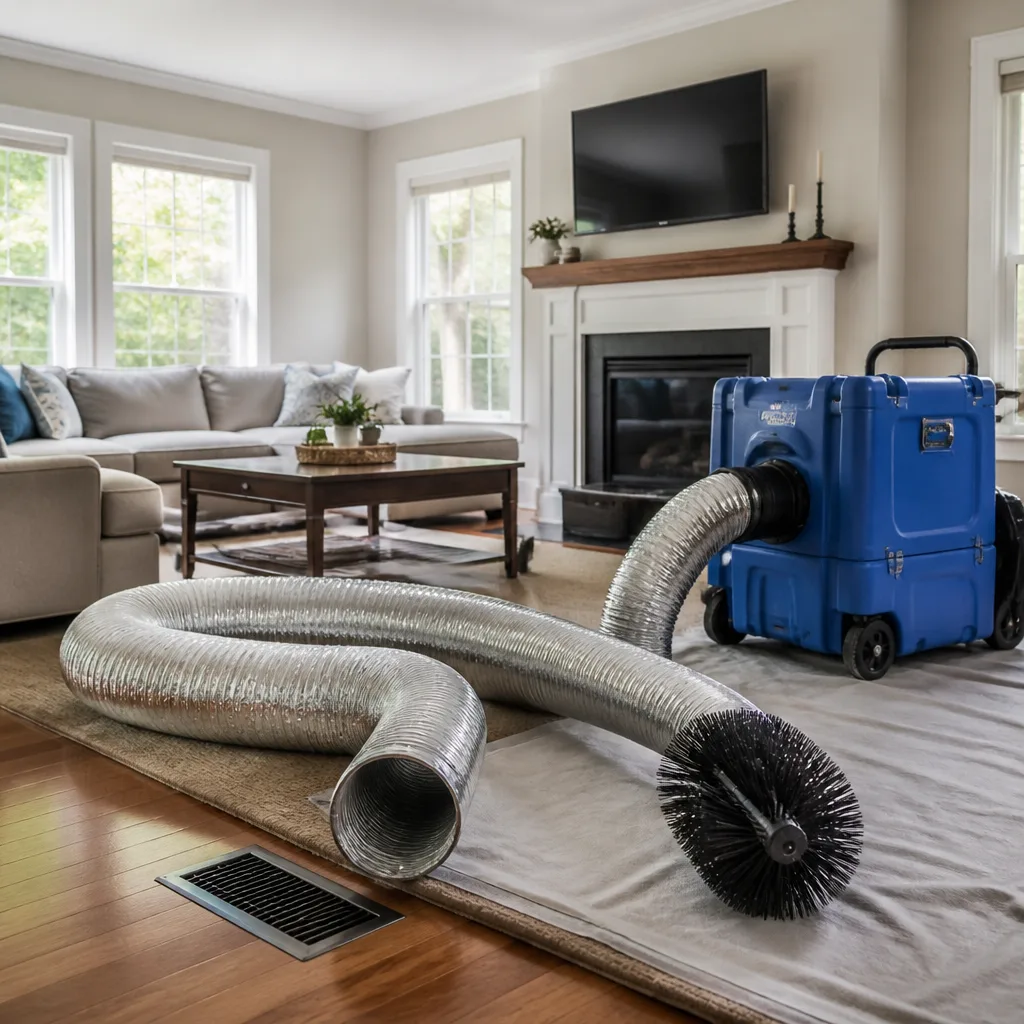 Whole-home duct cleaning
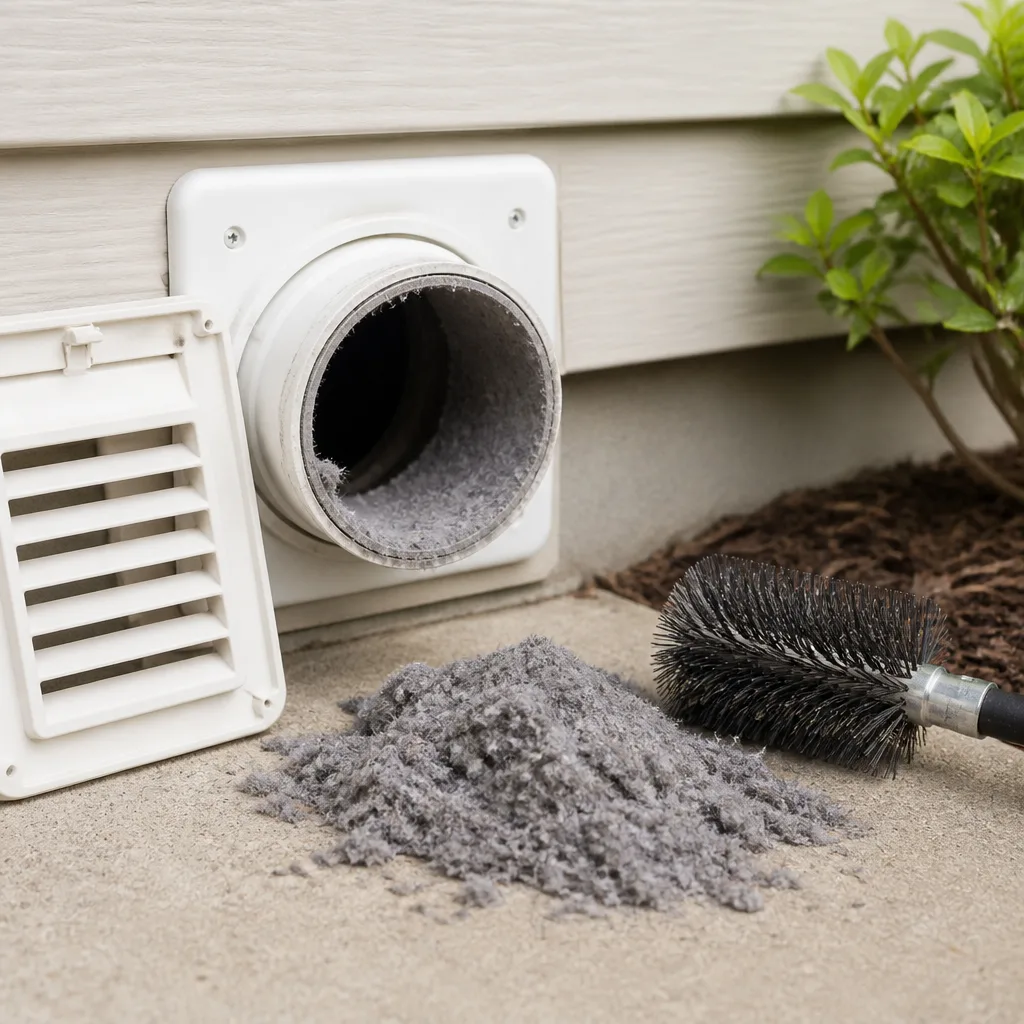 Dryer vent cleaning
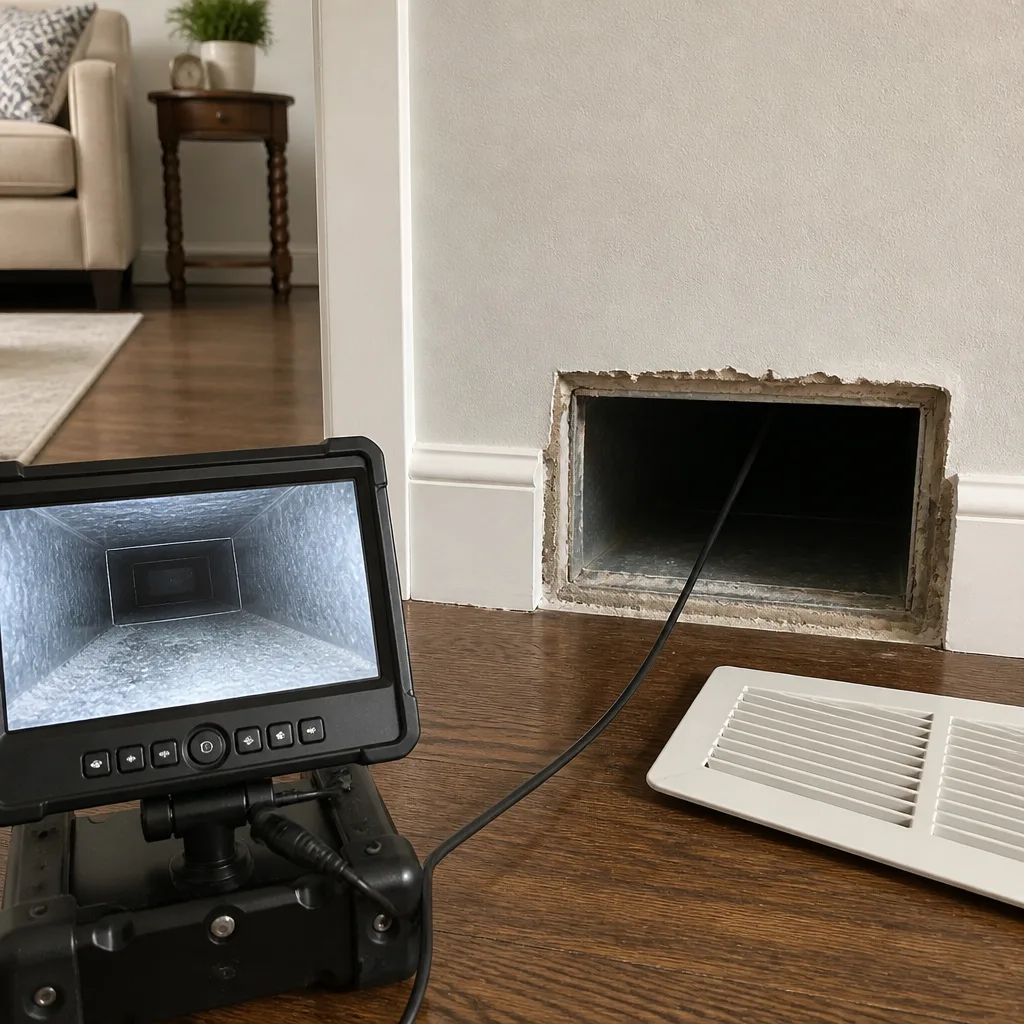 Camera inspection
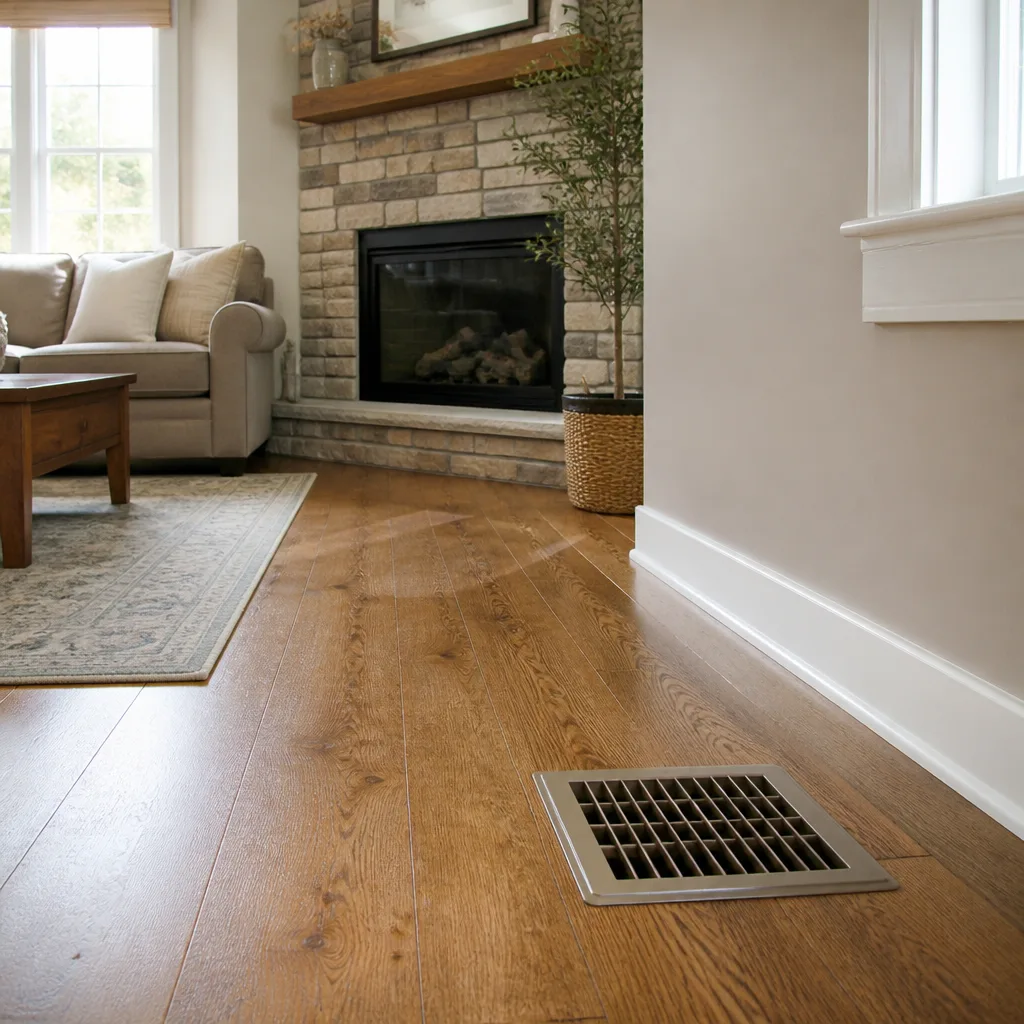 Sanitizing & deodorizing
Whole-system duct and dryer vent check with before-and-after photos - you see exactly what came out of your vents
That "$99 whole-house special" is a bait ad - the real number appears once they are in your hallway, or the "clean" is a shop-vac at the register. We photograph the inside of your ducts before and after instead.
Air Duct Cleaning Emergency Preparedness Guide for Columbia Homes
After a basement flood, most Columbia homeowners call a water mitigation company and a plumber. Few call anyone about the ductwork. That’s the gap this guide closes. If your return air system pulled humid air from a flooded space for even 24 hours, the ducts became part of the contamination problem, not a bystander to it. Smoke residue, sewage backups, and storm-driven moisture intrusion each leave a different signature inside the ventilation pathway, and each one calls for a different response than routine cleaning. Columbia sits in Howard County’s flood-prone low ground and its older housing stock, so a single season can hand a homeowner more than one of these events. Below we walk through what to shut off, what to document, what to ask for, and what insurance will want to see before they release a dime. The point is simple: when a contamination event hits, the duct system deserves the same triage you’d give the furnace or the water heater.
Quick Answer
If your home has experienced flooding, smoke or fire residue, sewage intrusion, or storm-driven debris infiltration, treat the ductwork as contaminated until a camera inspection proves otherwise. Shut down the HVAC system, document everything before you clean a thing, and request a HEPA-containment cleaning protocol rather than a routine vacuum pass. Routine cleaning removes dust; post-disaster cleaning removes hazard, and the two are not the same job.
Styles & brands we work with
- Whole-home duct cleaning
- Dryer vent cleaning
- Camera inspection
- Sanitizing & deodorizing
Table of Contents
- The Four Contamination Events Columbia Homes Face
- The First 24 Hours: A Triage Checklist
- What Insurance Documentation for Duct Contamination Requires
- Post-Disaster Cleaning Protocols That Differ From Routine Service
- The HVAC Equipment Side: Coils, Air Handlers, Blower Wheels
- Post-Storm Debris Infiltration and What to Inspect
- What to Request From Any Contractor You Hire
- Common Mistakes to Avoid
The Four Contamination Events Columbia Homes Face
Not every duct contamination incident looks the same, and the treatment isn’t interchangeable. In our experience working through Columbia homes, four event types cover the vast majority of emergency calls. Each one leaves a different residue and requires a different cleaning response.
Flooding
Howard County’s flood zones and the low-lying ground near the Patuxent and Little Patuxent put a real share of Columbia homes at risk during heavy rain and drainage failures. Flooding is the most insidious because the damage is often invisible: water enters the return air pathway and humid air circulates through the entire system for hours or days before anyone thinks to shut it down. The result is mold colonization on porous duct liner and insulation, plus rust in metal ductwork. Before any cleaning, the system needs to be inspected with a camera to establish how far the moisture traveled.
Smoke and Fire Residue
Smoke doesn’t obey room boundaries. A kitchen fire or an electrical fire deposits soot and combustion by-products throughout the supply and return ductwork, even in rooms untouched by flame. The residue clings to duct walls and can re-volatilize every time the system runs, filling the house with that smell again. Physical cleaning alone isn’t enough here; chemical decontamination is often part of the protocol.
Sewage Intrusion
A sewage backup that reaches the crawl space, basement, or a bathroom on the lowest level can introduce biological contamination into the return air path. This is a Category 3 water event by industry standards, and ductwork exposed to it requires the most aggressive protocol of the four: containment, disposal of compromised flexible duct and insulation, disinfection, and verification.
Post-Storm Debris Infiltration
Wind-driven debris, torn shingles and pulverized insulation can find their way into an attic-mounted air handler or a return plenum during a severe storm. It’s less dramatic than a flood, but fine particulate pulled into the supply side gets distributed every time the blower runs.
The First 24 Hours: A Triage Checklist
The first day after a contamination event, your decisions matter more than anything a contractor does later. Here’s what to do, in order.
- Shut off the HVAC system at the thermostat and at the breaker. Do not run the fan, do not set the system to “on” instead of “auto,” and do not try to “air it out” by running the blower. Every minute the system operates, it distributes contamination further.
- Photograph everything before touching it. Photograph the water line, the affected duct openings, any visible soot or debris, and the thermostat setting. Timestamped photos are the backbone of an insurance claim.
- Contact your water mitigation company and your insurance adjuster. Let them know the HVAC system was in the affected space. If the return air plenum was underwater, say so explicitly.
- Do not run a shop-vac or household vacuum in the affected space. A standard vacuum will aerosolize fine particulate and drive it deeper into ducts and insulation.
- Leave the system shut down until a camera inspection has been performed. This is the hard rule. If the ducts carried humid, smoky, or contaminated air, they need to be inspected before anything is turned back on.
- Keep a written log of who you spoke with, when, and what was said. Adjusters want a paper trail.
Columbia homes on slab foundations often have the air handler in a closet or crawl adjacent to living space, which means a flooding event can reach the equipment more easily than in a house with a full basement. Assume the equipment was affected until proven otherwise.
What Insurance Documentation for Duct Contamination Requires
Whether your policy covers duct cleaning after a contamination event usually comes down to the quality of the documentation you submit. Standard homeowners’ policies frequently exclude routine duct cleaning but cover duct cleaning when it’s necessary to remediate a covered loss. The burden is on you to prove the connection. What adjusters ask for, in our experience:
- A camera inspection report. A written report with photographs from inside the ductwork showing the contamination before cleaning. A verbal description won’t do.
- Pre-cleaning air quality readings. Particle count readings or comparable measurements taken inside the home before work begins, establishing a baseline.
- A contractor scope letter. A written scope of work describing what will be cleaned, what will be replaced, and why. This is distinct from a quote; it’s a description of the remediation standard.
- Post-cleaning air quality readings. The same measurements taken after work is complete, for comparison.
- Before-and-after photographs of your own ducts. Side-by-side visuals make the case faster than any written description.
If you’re the one coordinating a claim, ask your contractor up front whether they can produce all five. A company that can’t generate camera reports and pre/post readings isn’t set up for insurance work. When you’re ready to have the system cleaned, this is a job for air duct cleaning done to a documentation standard, not a quick vacuum pass.
Post-Disaster Cleaning Protocols That Differ From Routine Service
Routine air duct cleaning removes accumulated dust and debris from a functioning system. Post-disaster cleaning removes a hazard from a compromised one. The difference matters, and you should be able to hear it in the contractor’s description of what they’ll actually do.
HEPA Containment
Containment is the first requirement. Rather than open-vacuuming contaminated ducts and letting fine particulate drift into the living space, the cleaning crew sets up negative-pressure containment and HEPA filtration at the work area. This is where equipment like Abatement Technologies air filtration units comes in. If a contractor shows up with a shop-vac and a hose, the protocol is wrong for this job.
Physical Cleaning vs. Chemical Decontamination
Physical cleaning – rotary brushing and negative-pressure vacuuming – removes soil and debris. Chemical decontamination applies a registered antimicrobial agent to the duct interior after cleaning to address residual biological contamination. The second step matters for flood and sewage events specifically; it’s rarely necessary for a storm-debris event. Ask your contractor which is being applied and why.
System Shutdown Enforcement
During remediation the HVAC system stays off unless the contractor needs brief, controlled operation to test the system afterward. If a crew arrives and doesn’t confirm the system is off before opening a supply register, that’s a red flag. Contamination control starts with shutting the air handler down.
Replacement Decisions
Not everything can be cleaned. Compromised flexible duct, saturated insulation, and porous duct liner exposed to Category 3 water typically need replacement, not cleaning. A contractor willing to say so is telling you the truthful scope.
The HVAC Equipment Side: Coils, Air Handlers, Blower Wheels
Here’s what many homeowners miss until the bill comes in: a contamination event that reaches the ductwork almost always reaches the equipment as well. The evaporator coil, air handler, and blower wheel sit in the same air path. When humid, smoky, or debris-laden air moves through the system, it deposits on all three.
What that looks like on the equipment side:
- Evaporator coil: Coated with soot, dust, or biological growth; reduced heat transfer and higher energy use follow.
- Air handler cabinet: Interior surfaces act as another duct wall and need the same cleaning attention.
- Blower wheel: Fins accumulate contamination and unbalance the wheel, causing vibration and reduced airflow.
- Drain pan: Standing water in a post-flood scenario is a growth site that can re-seed the whole system.
We handle this side as part of a whole-system assessment, because cleaning the ducts while leaving a growth-covered coil in place is a partial job. We work with the same IAQ brands your HVAC installer trusts – Honeywell and Aprilaire – so when the equipment side needs a filtration or humidity upgrade, we’re not treating that as a separate project. The entire pathway from return grille to supply register is one system, and it should be assessed as one.
Post-Storm Debris Infiltration and What to Inspect
Not every storm in Columbia produces a flooding emergency, but nearly every significant storm leaves some debris signature on the exterior of the house. Homes with attic-mounted air handlers are the most exposed. After a severe storm, check the following before restarting the system:
- Attic insulation around the air handler – visible displacement, moisture, or debris accumulation.
- The return plenum where it meets the air handler cabinet – cracks, gaps, or displaced sealant.
- Outdoor supply or return terminations, if your system has them – swallowed debris, screen damage, standing water.
- Roof penetrations for the flue or exhaust – daylight visible from the attic is a red flag.
If a return plenum or cabinet seal has opened, the system will pull attic air on every run, and that air carries fiberglass and dust. A camera inspection is the fastest way to settle the question. When the answer is ducts that were compromised, repair is a different scope than cleaning, and you want a contractor who handles both – not one who cleans and leaves a gap in the return to keep pulling debris.
What to Request From Any Contractor You Hire
Post-disaster duct cleaning is not a service where you shop by lowest bid. The reputation of this trade for a low teaser price that balloons once the technician is on site is real, and it’s worse after a disaster because your leverage is low. Here’s what to ask for before you book anyone.
- One flat price per system, agreed before work starts. Not a per-vent price, not “starting at,” not a coupon price that gets revised after inspection. One number for the whole system.
- Written scope of work describing what will be cleaned, what will be replaced, and why.
- Pre-cleaning camera inspection report with photographs.
- Pre- and post-cleaning air quality readings.
- Before-and-after photographs of your own ducts – not stock photos, your ducts.
- Confirmation that the equipment is professional-grade – rotary brush and vacuum systems built for duct cleaning, not shop-vacs. Rotobrush and Nikro are the brands to listen for.
- Written confirmation of state licensing and insurance before work begins.
Ask each question and listen. A crew that can answer all seven without hesitation is set up for post-disaster work. A crew that deflects on the camera report or the flat price is telling you something. For a Columbia homeowner standing in a soaked basement, that conversation matters less than it should. Make it matter.
Common Mistakes to Avoid
- Running the HVAC “to dry things out” after a flood. Running the system circulates humid air through the entire supply and return pathway. That’s the opposite of drying; it’s distributing moisture into the duct liner and insulation where it takes hold.
- Underestimating a sewage backup. A homeowner will clean the floor and call it done, then wonder why the house still smells. Sewage contamination in the return air path is a biological problem, and it needs the full protocol including possible replacement, not a pass with a vacuum.
- Accepting a per-vent quote for post-disaster work. Post-disaster cleaning is a whole-system job priced as a whole-system job. Per-vent pricing on a contamination event is a sign the contractor is treating this as routine maintenance.
- Skipping the equipment inspection. Cleaning ducts while leaving a soot-covered evaporator coil in place means the contamination source is still there. The system has to be assessed end-to-end.
- Not documenting before touching anything. Soot lines washed away, water lines mopped up, contaminated registers wiped down “just to clean it a bit” – none of that helps the adjuster. Photograph first.
- Calling a water mitigation company and stopping there. Water mitigation handles the water. It doesn’t handle the ducts, the coil, or the air handler. Both calls need to happen.
- Assuming a storm didn’t affect the system because the house looks fine. Debris infiltration and plenum seal failures leave no visible interior sign. Only an inspection settles it.
See the difference
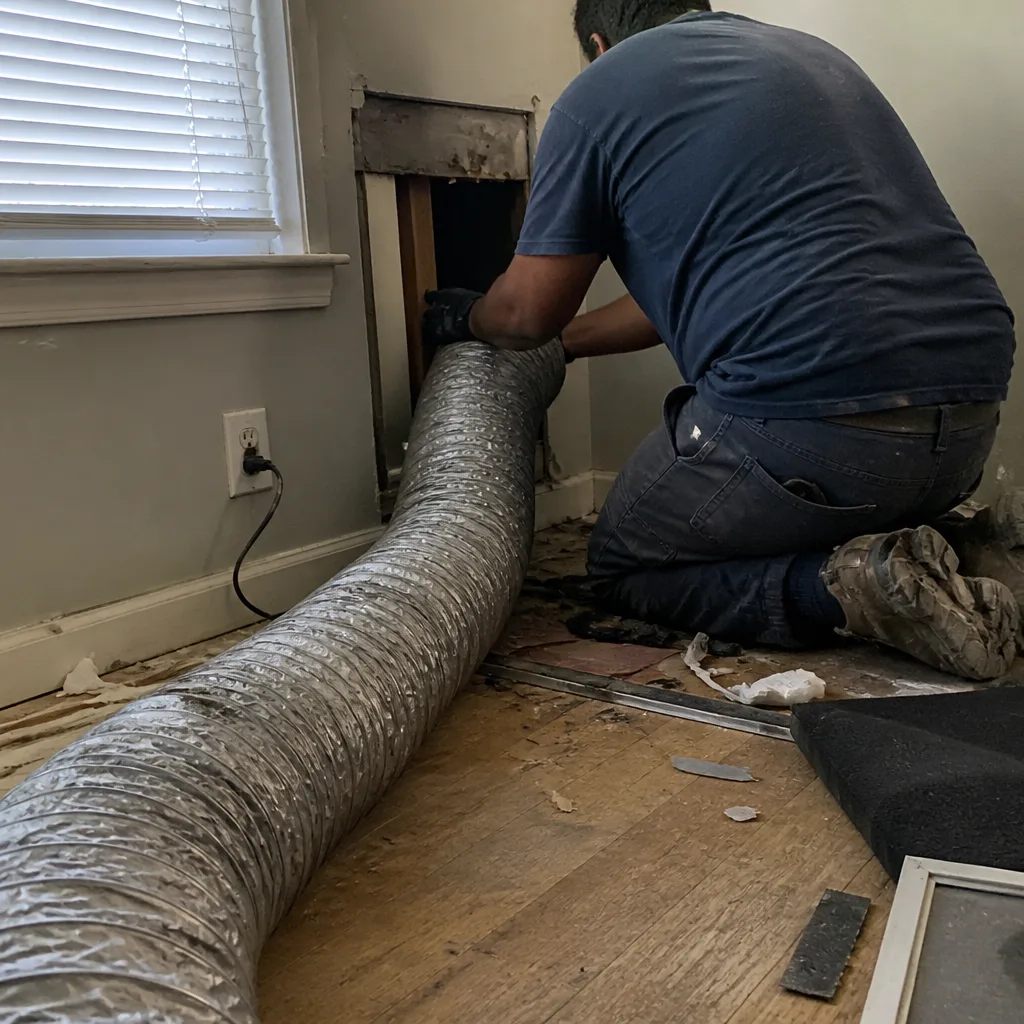 Before
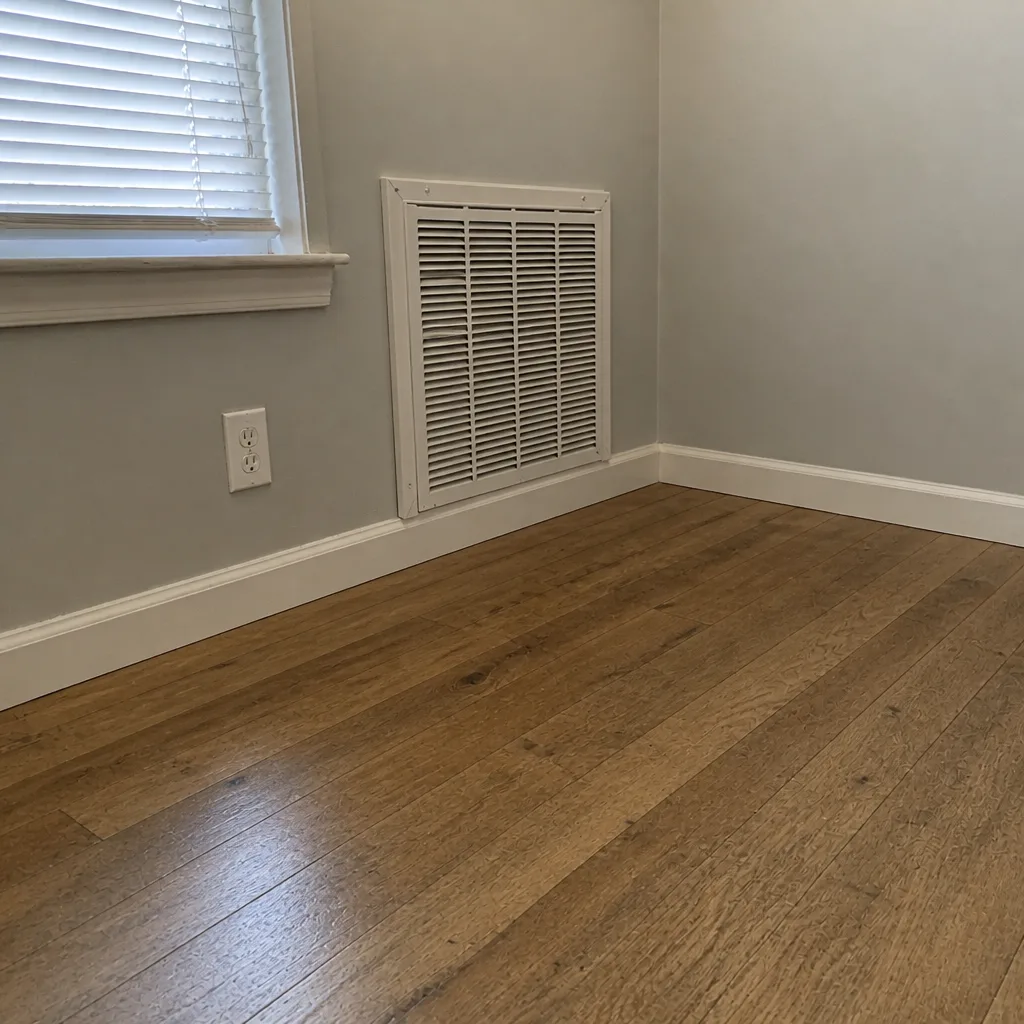 After
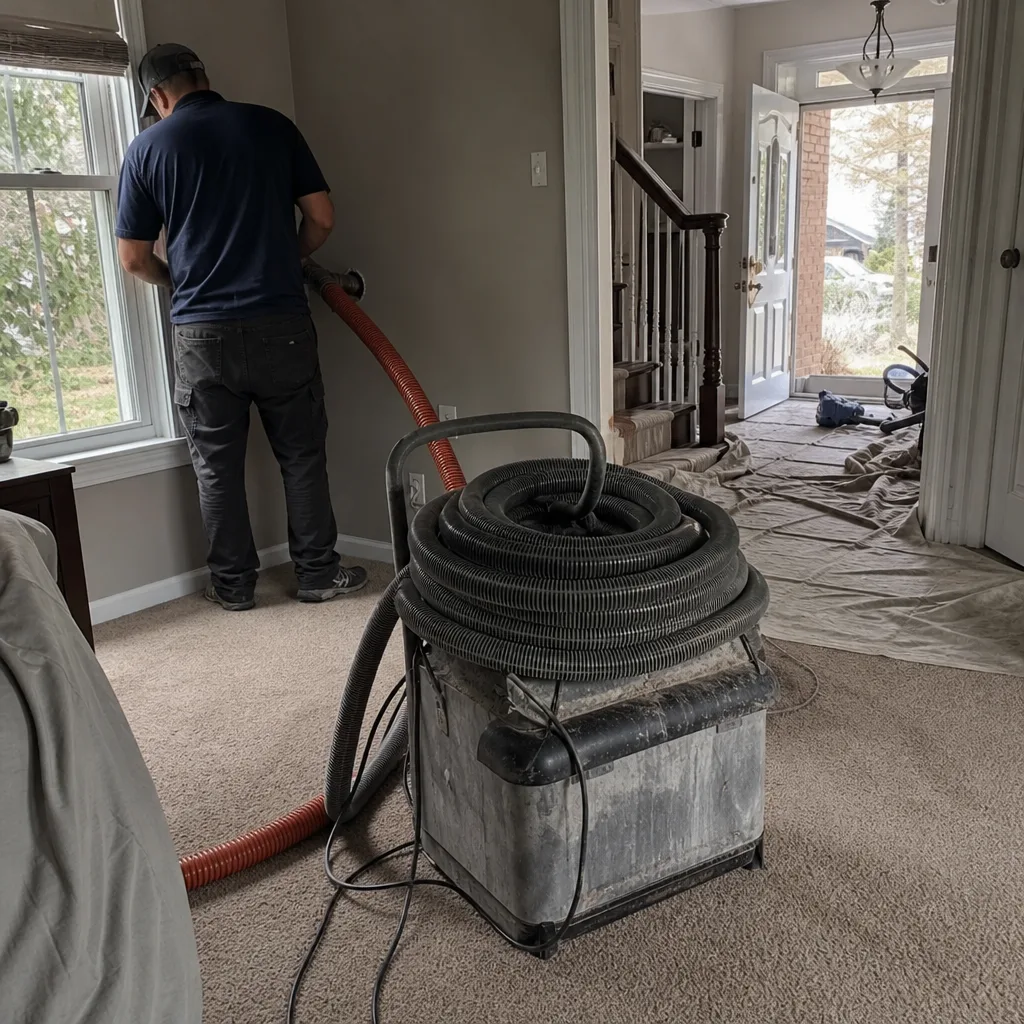 Before
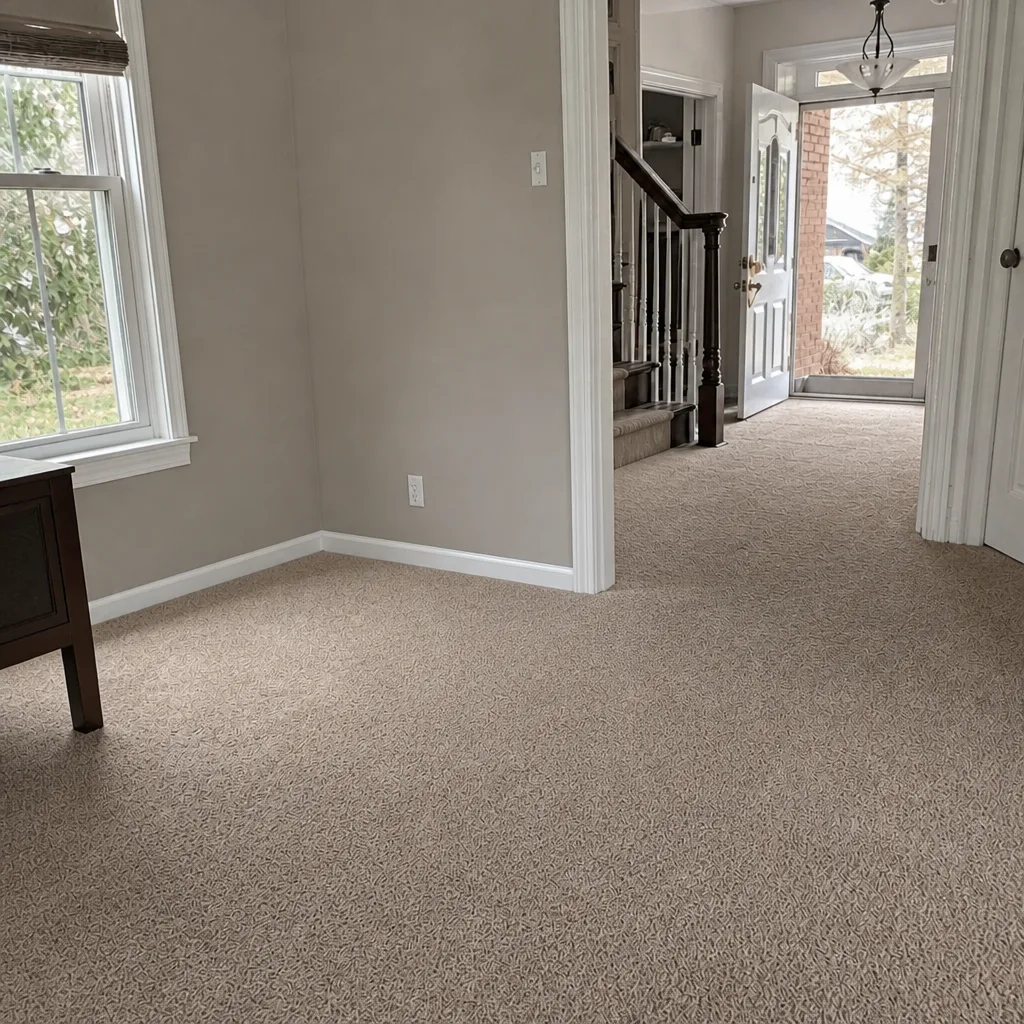 After
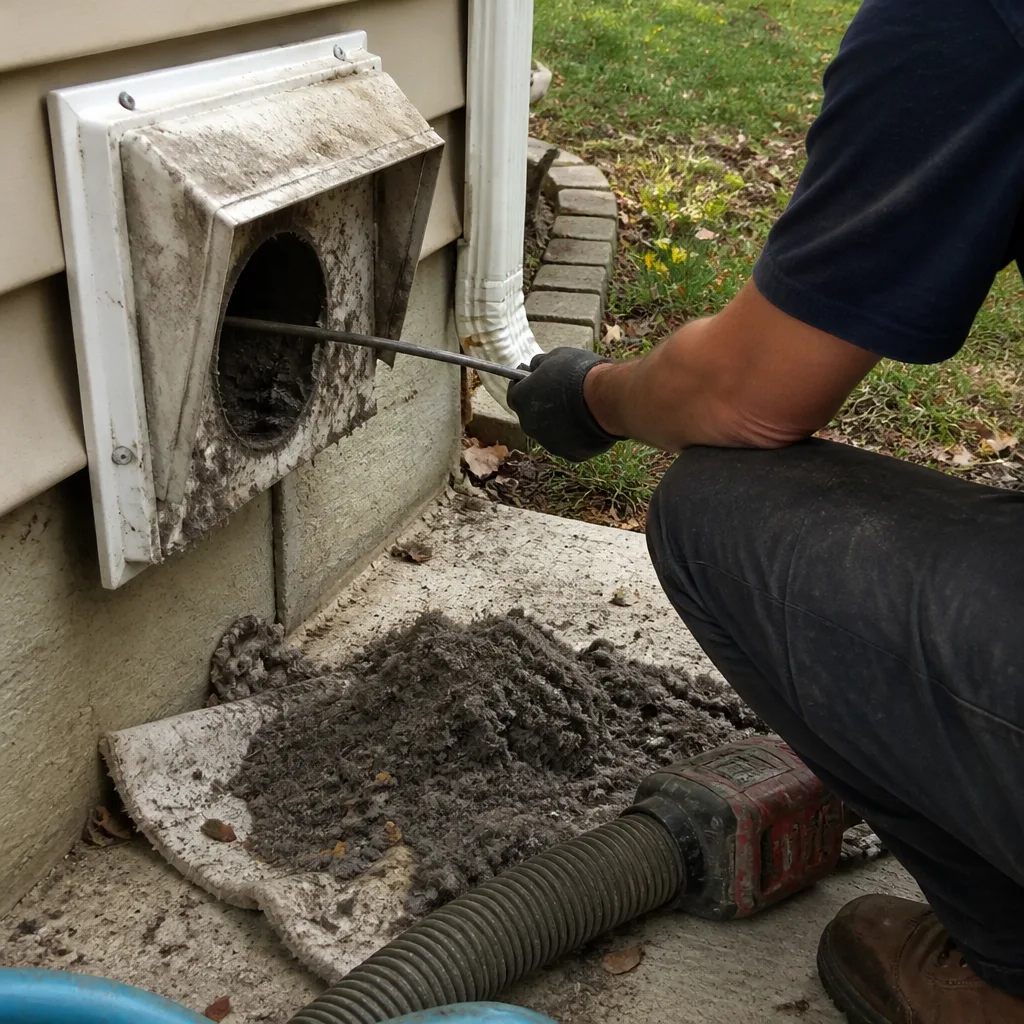 Before
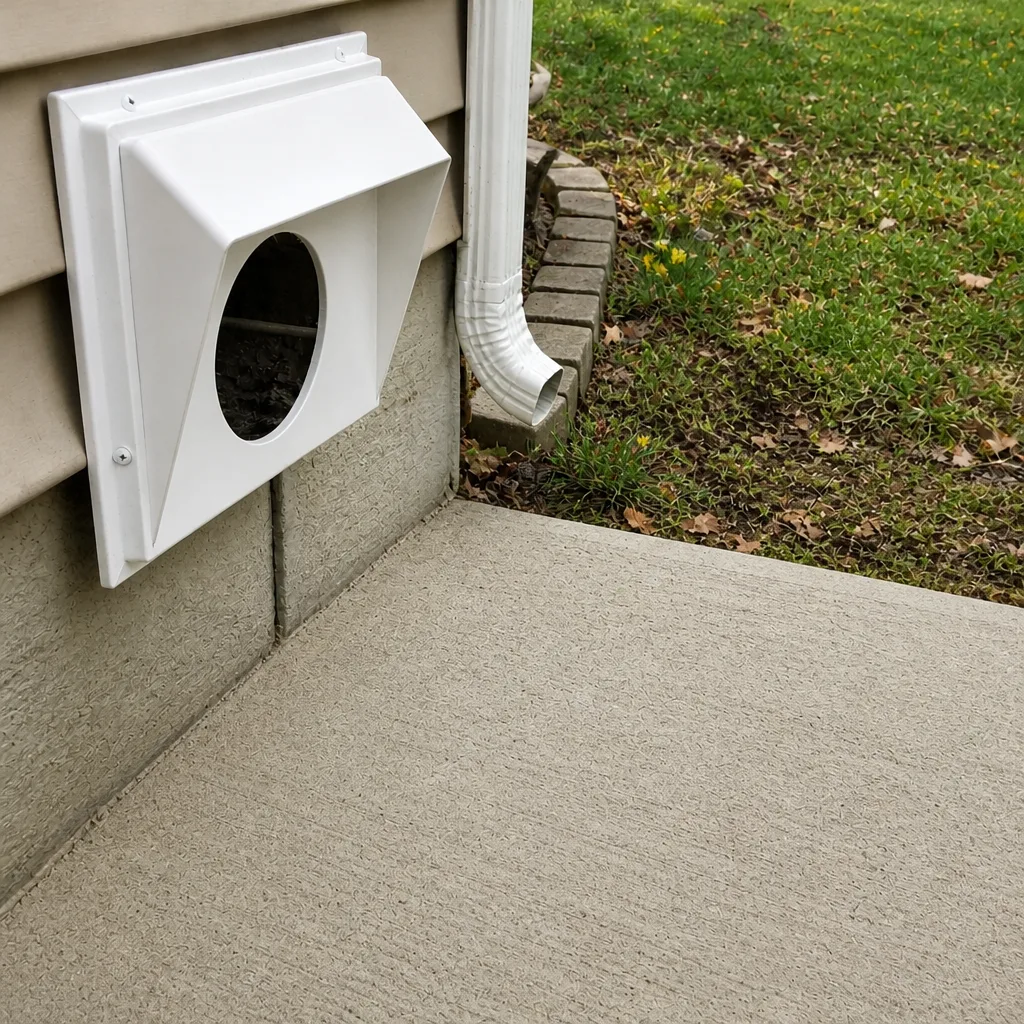 After
When to Call a Professional
Call a professional after flooding, fire, smoke, sewage, or storm damage has reached the HVAC system, and do it before you turn the system back on. Call if a contractor’s camera inspection shows contamination in the ducts. Call if the house smells of smoke or must after the visible damage is cleaned. Call if you’re selling or buying a Columbia home and need a documented inspection for the disclosure. And call if you’re not sure – a free estimate is cheap compared to the outcome of guessing wrong on a contamination event.
Stallion Air Duct Cleaning offers free estimates in Columbia. Call (866) 643-6070. We answer 24/7. Fast dispatch from 7am to 7pm, Sunday through Friday. Our technicians have up to 13 years of experience, and we bring professional-grade equipment like Rotobrush and Nikro rotary systems plus Abatement Technologies containment units to every post-disaster job. We offer one flat price per system, agreed before work starts, and before-and-after photos of your own ducts so you know exactly what was done.
Frequently Asked Questions
Within 48 to 72 hours of the water receding, and sooner if the HVAC system ran after the flood. The window matters because mold colonization on duct liner and insulation can begin within that first day or two. The system stays off until inspection. Call (866) 643-6070 – estimates are free.
Usually yes, if the cleaning is tied to a covered loss and you can document the contamination. Standard policies exclude routine duct cleaning but typically cover post-disaster cleaning with a camera inspection report, contractor scope letter, and pre/post air quality readings. Submit the paperwork with the claim, not after the work is done. Call (866) 643-6070 for an estimate and a documentation package.
A camera inspection is the only way to know for sure. Visible soot in a return register is a strong indicator, but soot and combustion by-products travel well beyond what you can see. If the HVAC system ran at any point after the fire, assume contamination until inspection proves otherwise. Call (866) 643-6070 for an exact quote – estimates are free.
It’s a Category 3 water event, which is the highest contamination category in the water-damage industry. Ductwork and insulation exposed to it require professional remediation, and in most cases some flexible duct and insulation must be replaced rather than cleaned. Don’t run the system, don’t attempt the cleanup yourself, and call a professional. Call (866) 643-6070 for an assessment.
Usually because the cheap quote is a routine-cleaning protocol priced for a routine-cleaning job – a quick pass with a vacuum, no camera inspection, no containment, no documentation. After a contamination event, that’s the wrong protocol. The flat-price contractors are the ones doing the actual remediation work. Ask to see the scope letter before you sign anything. Call (866) 643-6070 for a free flat-price estimate on the whole system.
Routine service is typically recommended every few years for most Columbia homes, and more often in high-dust or high-pet households. Post-disaster cleaning is a separate, unscheduled event that’s driven by the loss, not the calendar. If you’re unsure which applies, a free inspection sorts it out. Call (866) 643-6070.
The Bottom Line
Emergency preparedness for a Columbia home has to include the ventilation system, not just the water heater and the sump pump. When a flood, fire, sewage backup, or severe storm touches the HVAC system, three things become non-negotiable: shut the system down, document everything before touching it, and hire a contractor who brings containment equipment, camera inspection, and documentation to the job. Cleaning a post-disaster system isn’t the same service as routine maintenance, and it shouldn’t be priced or performed like it. One flat price per system, agreed before work starts. Before-and-after photos of your own ducts. Written scope. Pre/post readings. Those are the markers of a real remediation job. If you’re standing in a flooded basement in Columbia right now, call before you turn the fan on. That single decision is the whole guide in one action.
Written by the team at Stallion Air Duct Cleaning.