
Last updated November 14, 2026
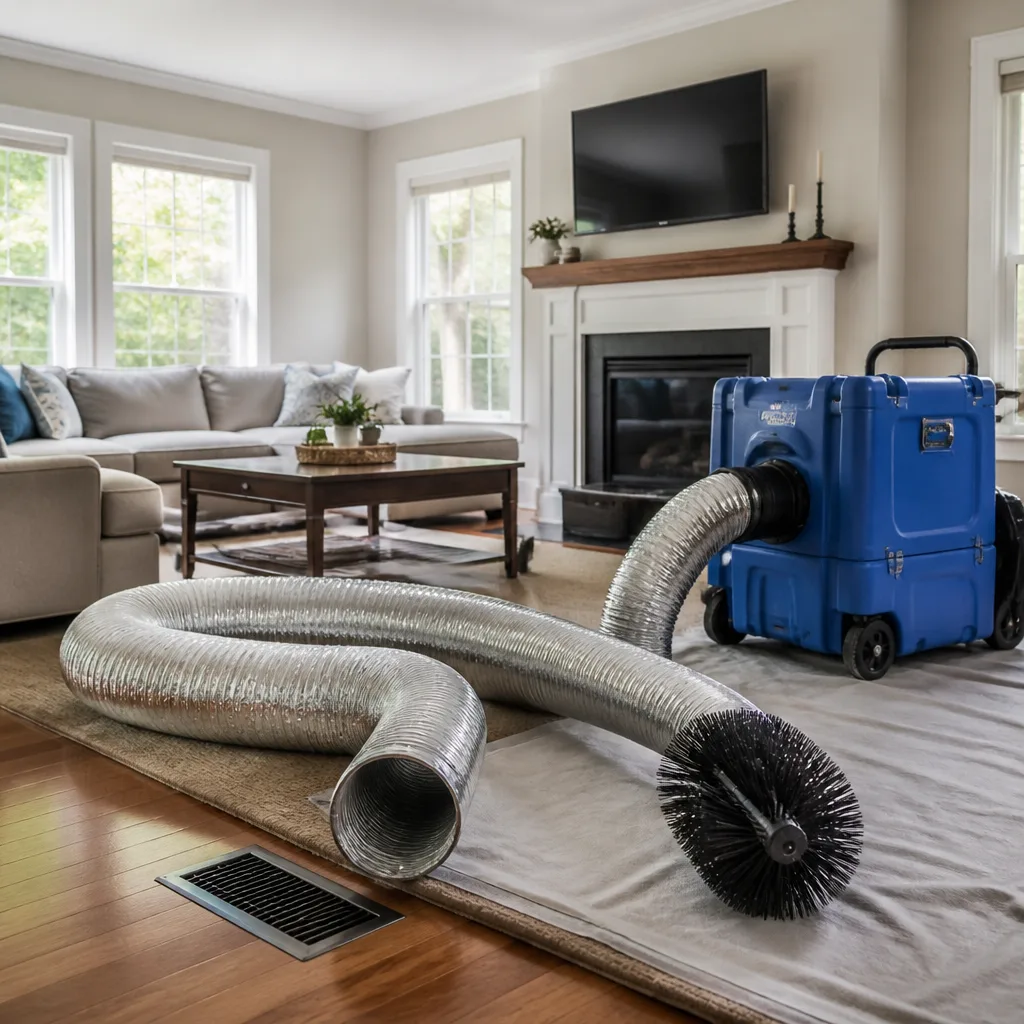 Whole-home duct cleaning
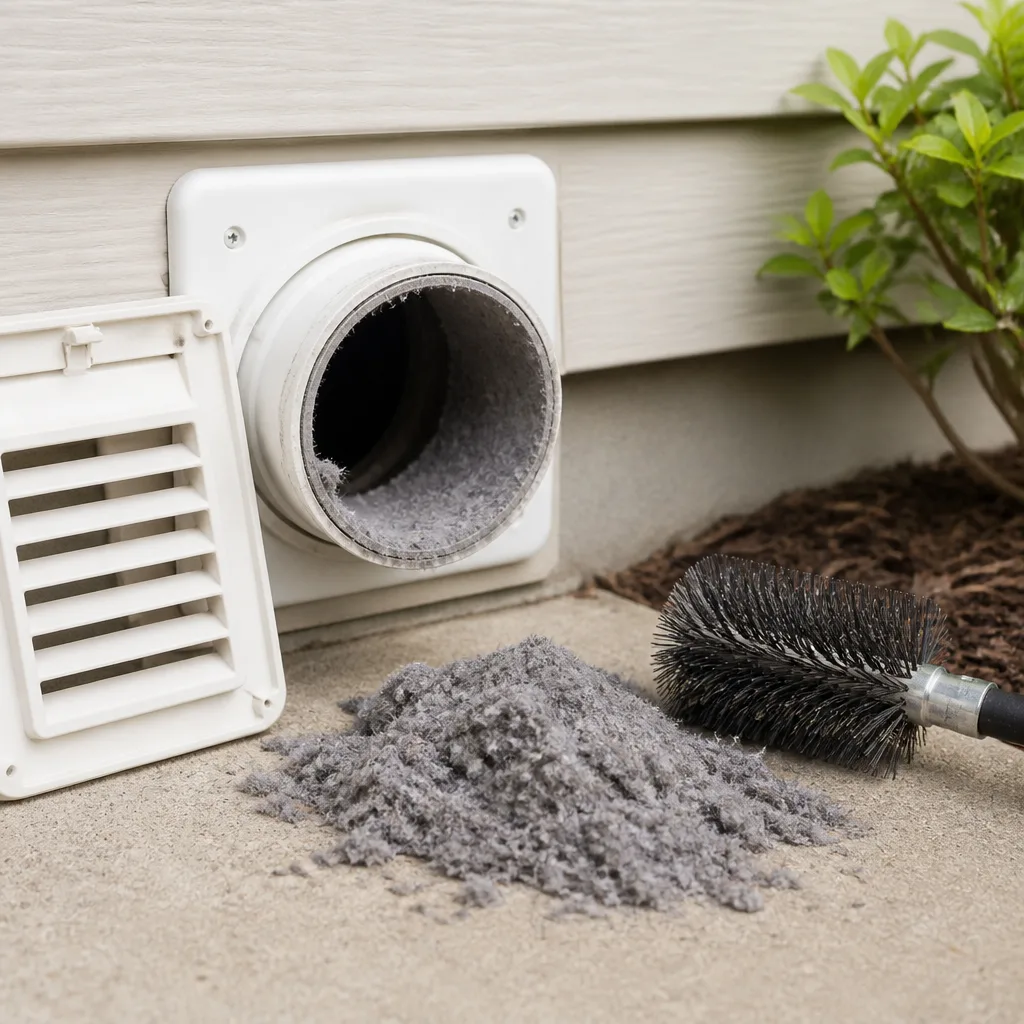 Dryer vent cleaning
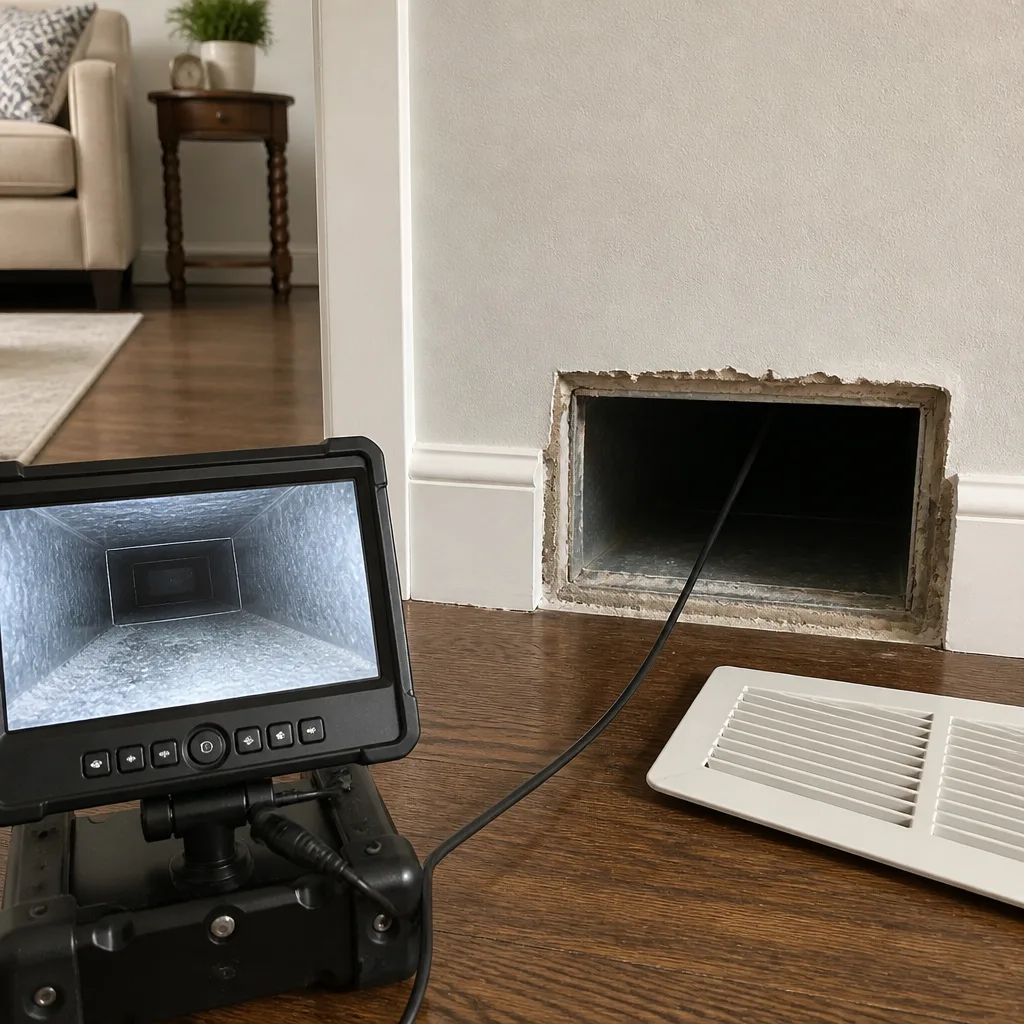 Camera inspection
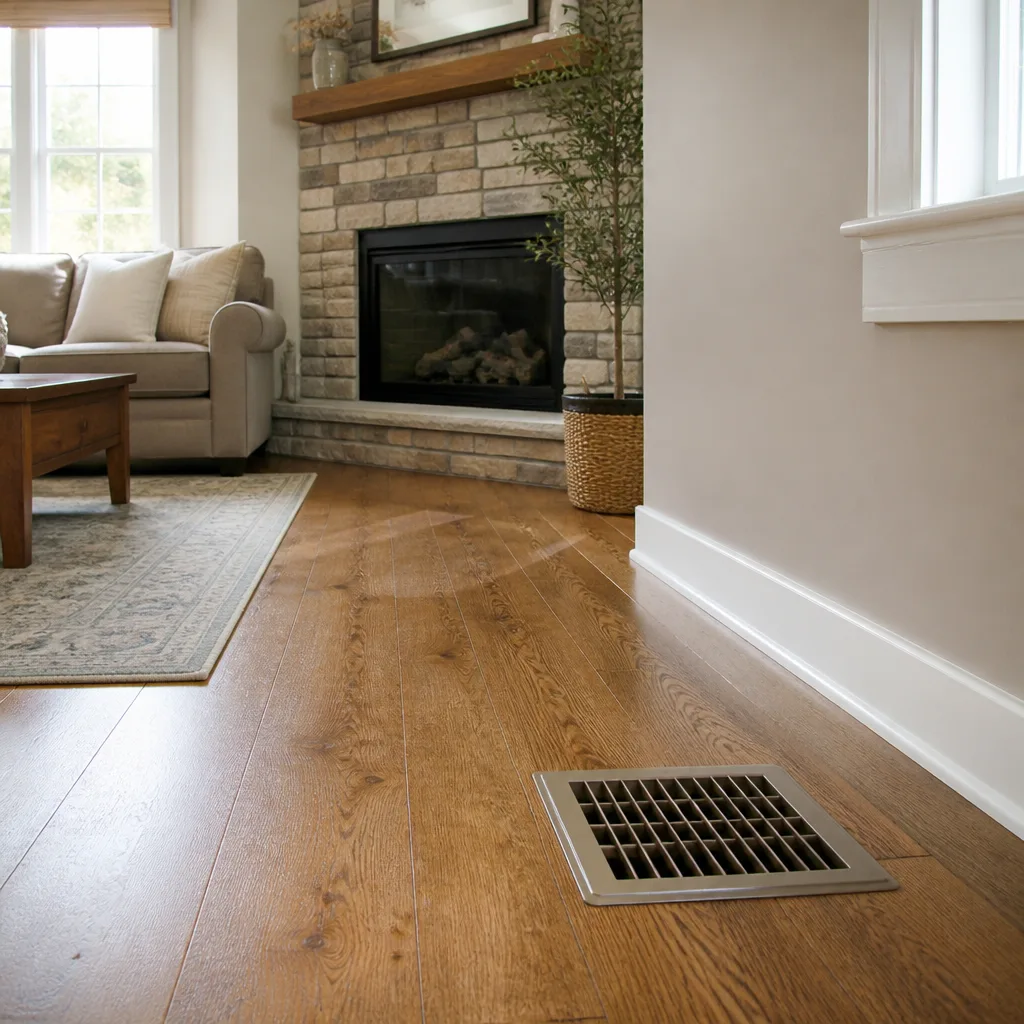 Sanitizing & deodorizing
Whole-system duct and dryer vent check with before-and-after photos - you see exactly what came out of your vents
That "$99 whole-house special" is a bait ad - the real number appears once they are in your hallway, or the "clean" is a shop-vac at the register. We photograph the inside of your ducts before and after instead.
Air Duct Cleaning Cost Breakdown: The Columbia Homeowner’s Reference for 2026
The $89 duct cleaning ad in your mailbox isn’t a deal. It’s a door opener. That number exists to get a technician into your home, and what happens after that is where the real price gets decided. Sometimes the final bill is fair. Sometimes it triples. The thing that separates a good quote from a bad one isn’t the headline price. It’s what’s actually included in the scope. In Columbia, quotes for the same house can run from a hundred dollars to well over a thousand, and both numbers can be legitimate depending on what’s in them. This guide gives you a line-item framework so you can evaluate any quote against real scope instead of sticker shock. We’ll cover how Columbia’s climate, housing, and duct layouts affect pricing, and what a full-system job should actually include.
Quick Answer
Air duct cleaning in Columbia typically runs $350 to $650 for a standard whole-home single-system job, with larger homes, multiple HVAC zones, or significant duct repair pushing the range to $900 to $1,400 or more. A dryer vent add-on usually costs $100 to $180 when bundled. The $89 and $149 coupons you see advertised aren’t full-system cleanings; they’re typically per-register or partial jobs that expand in scope once the technician is in the door. The only way to know if a quote is fair is to check the line items against the scope framework below.
Styles & brands we work with
- Whole-home duct cleaning
- Dryer vent cleaning
- Camera inspection
- Sanitizing & deodorizing
Table of Contents
- What Actually Drives the Cost of Duct Cleaning
- Line-Item Pricing by Component
- Equipment Matters: Why the Price Gap Is Real
- Columbia-Specific Cost Factors
- When a Higher Quote Is Actually the Cheaper Total
- Scope Verification Checklist
- Red Flags in a Duct Cleaning Quote
- How Often Should Columbia Homes Be Cleaned?
What Actually Drives the Cost of Duct Cleaning
Five factors determine the price of any duct cleaning job, and only one of them is the actual cleaning. The others are scope variables that determine labor, equipment airtime, and how much of your system gets touched. Understanding each one lets you compare quotes apples-to-apples.
The five pricing variables
- Register count. Every supply and return vent in the house is a branch that needs the vacuum head run through it. A 10-register townhouse and a 22-register single-family home are different jobs, not the same job at a different coupon price.
- Square footage and system size. A single 2-ton system with short runs moves faster than a two-zone system with a long trunk line and 40 feet of flex going into a finished basement.
- Duct material. Rigid galvanized metal cleans predictably. Flex duct requires gentler brush work and often more time; poorly installed flex with crushed sections may need repair, not cleaning.
- Access difficulty. Ducts run through attics, crawl spaces, chases, and finished soffits. Attic runs in a Columbia split-level with a low-pitch roof and blown-in insulation take longer to reach than a basement-based system with full headroom.
- Add-on services. Dryer vent cleaning, evaporator coil cleaning, and sanitization are separate line items with their own scopes. They should never appear as a surprise after the base price was quoted.
In our experience, the biggest cost surprises come from jobs where the quoted price never accounted for register count. A “whole-house” quote on a four-vent condo is not the same service as a whole-system cleaning on a 3,000-square-foot home with two zones. Ask for register count in the written estimate before you compare a penny of price. For a full walk-through of what our process looks like from the truck to the last register, see our air duct cleaning page.
Line-Item Pricing by Component
Here’s a realistic framework for how a reputable Columbia quote breaks down. These are typical 2026 ranges, and the written estimate you receive sets your final price. Treat them as a benchmark to check a quote against, not as a firm price list.
Base whole-system cleaning (standard single-system home)
- Up to 10 registers: $300 to $450
- 11 to 15 registers: $400 to $600
- 16 to 20 registers: $550 to $800
- 21+ registers / multi-zone: $750 to $1,200
Trunk line and main plenum cleaning
Many quotes silently exclude the main trunk line and just do the branches. A legitimate whole-system cleaning includes the trunk. That’s typically an additional $75 to $200 depending on length and whether the trunk is rigid metal or flex. Ask specifically whether trunk line cleaning is in the line items; if it isn’t, the word “whole-house” on the coupon means almost nothing.
Add-on services
- Dryer vent cleaning: $100 to $180 bundled with duct cleaning
- Evaporator coil cleaning: $150 to $300
- Sanitization / antimicrobial treatment: $100 to $250 depending on system size
- Duct repair (sealant, reconnecting separations, replacing crushed flex): $250 to $900+ depending on scope, quoted separately after inspection
A clean, itemized quote has a number next to each of these categories, and a total that adds up. If a quote is “one price, all-in,” you have every right to ask what’s in that price. Cooperative companies will tell you. Avoid any quote that treats line-item questions as an inconvenience.
Equipment Matters: Why the Price Gap Is Real
Why does one company quote $180 and another $650 for what sounds like the same service? In legitimate cases, the difference comes down to equipment class. There are two categories of duct cleaning equipment, and only one of them does full-system work in a residential home within a reasonable time.
Contact vacuum vs. negative-air machine
A contact vacuum is essentially a heavy-duty shop vacuum with a brush attachment. It’s directionally useful, but it doesn’t put the entire duct system under negative pressure, which means some loosened debris can redeposit on surfaces the technician never touched. A negative-air machine, connected to the system plus a HEPA air filtration unit, holds the entire duct network under controlled negative pressure during cleaning so dislodged material is pulled into the collection unit instead of into your living room.
Stallion Air Duct Cleaning runs professional-grade systems from Rotobrush and Nikro, which are purpose-built rotary-brush and air-vacuum systems engineered for duct interiors. On jobs where particulate containment matters – older homes, homes with allergy concerns, or properties with visible mold or rodent activity – we bring Abatement Technologies air filtration equipment for HEPA-level containment on site. That’s the difference between a $180 job and a $600 job that’s actually doing the same work. The dollar gap isn’t markup. It’s the cost of the equipment and the time it takes to run it correctly.
Brush head selection matters too
Rigid metal ducts tolerate aggressive rotary brushes. Flex duct, especially the crinkled non-metallic type common in Columbia’s 1990s and 2000s housing stock, will degrade if you hit it with the wrong brush. A company investing in a proper rotary system has multiple brush heads to match duct type. A shop vac only has one. If a technician shows up with only a vacuum hose and no rotary brush equipment, the scope has already dropped below full-system cleaning.
Columbia-Specific Cost Factors
Columbia’s housing stock and climate both show up on the invoice in ways homeowners don’t always anticipate. The biggest cost drivers we see in this market:
Housing and layout
- Split-levels and bi-levels are common across Columbia, and their duct runs are often split between a basement furnace and an attic trunk. Accessing both takes longer. Multi-level layouts sometimes cost $75 to $150 more than a single-story home of similar square footage.
- Townhouses with finished basements frequently have duct runs hidden in chases and soffits with small access panels. If those panels were sealed by a previous renovation, the technician may need to work at the registers and trunk, which is a longer job.
- Homes with flex duct retrofits (common in homes renovated in the 2000s and 2010s) often have crushed or disconnected sections hidden inside walls. Cleaning may reveal a repair item, and we quote duct repair separately after inspection rather than padding a cleaning invoice.
Climate
Columbia sits in that part of Maryland where summers are humid enough to make a well-sealed system pull heavy condensation and winters bring dry air with strong indoor heating cycles. What that means for duct condition: the on-again, off-again HVAC use cycle keeps dust suspended and clumped against duct walls instead of settling evenly. Homes with filter bypass (filters that don’t seat properly), older pleated filters that have been run well past replacement, or return duct chases built into wall cavities tend to accumulate more than a similarly sized home in a drier climate. In our experience, Columbia homes tend to build up more material on the coil side of the system than homeowners expect, and coil cleaning ($150 to $300) often shows up as a recommended add-on after inspection. It’s cheaper than a coil replacement, which is why we quote it.
If your only issue is a dryer that isn’t drying like it should, that’s a separate job handled on its own page. Learn more about our dryer vent cleaning.
When a Higher Quote Is Actually the Cheaper Total
Here’s the counterintuitive part. A $249 “annual” duct cleaning done every year can end up costing more over five years than a proper $600 full-system cleaning done once every four or five years. The reason is that repeated light cleaning doesn’t touch the accumulated material on the coil, the trunk line, or the interior of longer flex branches. It just swirls the surface dust that would have settled anyway.
A simple five-year comparison
- Path A: annual $249 cleaning × 5 = $1,245. No coil cleaning included, no trunk line, no documented scope verification.
- Path B: full-system cleaning at $600 in year one, $150 coil cleaning + $500 follow-up at year five = $1,250. Cleaner system at the start, documented scope, and a much longer useful interval between major cleanings.
The two paths cost the same over five years. But the system under Path B is in measurably better condition at every point along the way. Higher per-job price doesn’t mean higher long-term cost. What determines long-term cost is whether the scope includes the coil, trunk, and proper register count. When we quote a full-system job in Columbia, we’d rather a homeowner understand the interval than come back on a discount schedule that never solves the underlying accumulation.
The same logic applies to a cheap dryer vent “blow-out” that doesn’t actually clear the vent run to the exterior wall. Whether a dryer vent job is worth the difference is laid out in more detail on our dryer vent page, and full scope on our main page at Stallion Air Duct Cleaning.
Scope Verification Checklist
Once the job is done, the price paid should match the work performed. Here’s what to confirm before the technician leaves, or after they do, with photos to back it up.
What to verify on site
- Before-and-after photos of your own ducts. Not stock photos, not a generic gallery. Actual images taken at your registers, your trunk line, and your plenum. Any reputable company takes these automatically and shows you.
- Register-by-register count. Have the technician count out loud with you so the count matches the invoice. Ten registers cleaned should mean ten registers cleaned.
- Trunk line evidence. Ask to see a photo inside the main trunk after cleaning. If the quote included trunk cleaning and there’s no photo, that line item wasn’t verified.
- Coil access and cleaning evidence. For a coil cleaning add-on, confirm the evaporator coil was actually accessed. A photo of the exposed coil before and after is the standard.
- Dryer vent clearing. For a dryer vent job, ask to see the exterior vent flap opened and airflow confirmed. A vent that’s “cleaned” but still blocked at the exterior termination is not cleaned.
- Written summary. Note the date, the register count, the services performed, and any items flagged for future repair. This becomes your baseline for the next service interval.
- Containment status. Confirm the negative-air setup was running for the duration of the job, not just at the start. A properly set-up job is under negative pressure from start to finish.
Our technicians have up to 13 years of experience running full-system jobs, and the documentation standard is a core part of the process. We’d rather you check the work than take our word for it.
Red Flags in a Duct Cleaning Quote
Most bad duct cleaning experiences start with a quote structured to expand. Here’s what to look for before you book.
Quote-level warning signs
- Coupon price with no scope. A “$99 whole-house” doesn’t say what “whole-house” means. Coupons per-vent ($25/vent, for example) make the price look low until the register count arrives.
- No written estimate before work starts. A reputable company puts scope and price in writing and gets agreement first. Verbal-only quotes fall apart the moment the technician finds something. Every job we quote comes with a written, per-job price agreed before any work starts.
- “Inspection” that turns into a sales pitch. In-home air quality assessments are legitimate services. An inspection that flows directly into a $2,000 air purifier pitch as the only way to solve a problem is not.
- No mention of trunk line. If the trunk isn’t in the scope, the phrase “whole-house” is doing a lot of work.
- No photos promised. Every legitimate full-system job documents its own work. No photo commitment means no post-job verification.
- Sanitization offered as mandatory. Sanitization is an add-on for specific concerns (mold, rodent contamination, post-remediation). It’s useful. It’s not required on every job, and it shouldn’t be pushed as if it were.
- Pressure to book today. Duct cleaning is a scheduled maintenance service. Anyone rushing you into a decision to grab a “today only” price isn’t cooperating with you on scope.
If you’re comparing a quote that fits the price but fails two or three of these checks, the number is meaningless. Call us at (866) 643-6070 and we’ll walk through what a legitimate scope on your home looks like. Estimates are free.
How Often Should Columbia Homes Be Cleaned?
Most Columbia homes with a sealed, properly filtered system benefit from a full-system cleaning every four to five years. Homes with pets, recent renovations, visible filter bypass, or a history of water intrusion into the system move to a shorter interval, typically every two to three years. Homes that have never had the ducts cleaned and are now 15+ years past construction usually need a full-system job rather than a light pass, regardless of the quote they see advertised.
Signs you’re due regardless of interval
- Visible dust streaks around the supply registers (a sign of ongoing bypass or pressurization issues, not just dust)
- A persistent musty smell when the HVAC kicks on
- Recent renovations that generated drywall dust or fiberglass debris
- Visible mold or rodent droppings anywhere in the duct system (stop and address immediately)
- Filter bypass you can see: a filter that doesn’t seat tightly is letting unfiltered air into the coil and the duct, which accelerates soiling on both
Filter quality matters for interval too. If you’re running Honeywell or Aprilaire media filters from your original HVAC install, replacing them on schedule stretches the duct cleaning interval noticeably. If your system has a humidifier or dehumidifier integrated from Aprilaire, keeping it serviced keeps moisture from entering the duct system. Duct cleaning and IAQ equipment are one problem, not two, and we treat them that way when we recommend work. If you want a deeper read on duct materials, coil maintenance, and how a job should be scheduled, we cover it in detail on the Columbia service page.
Common Mistakes to Avoid
- Comparing coupons, not scopes. A $99 ad and a $650 full-system quote aren’t the same service at two prices. They’re two different services. Line up the scope columns before you line up the dollars.
- Booking a whole-house job without a register count. Every Columbia townhome and single-family home has a different register count, and it’s the single biggest driver of labor on the job. A quote that doesn’t count registers isn’t a real quote.
- Paying for “sanitization” without knowing why. Sanitization is a valid add-on when there’s mold, rodent evidence, or a specific contaminant concern. If a company pushes it on every job as if it’s mandatory, ask why.
- Letting the technician skip the trunk line. Trunk line cleaning is where most of the accumulated material sits. A quote that quietly leaves it out is a partial job at a full price.
- Not asking for before-and-after photos of your own ducts. Stock photos are not evidence. Your photos are. Ask before the job is booked so it’s documented in writing.
- Ignoring crushed or disconnected flex duct because the cleaning is cheaper. If the ducts are falling apart, cleaning them makes them cleaner but not better. Duct repair is often the actual fix, and it should be quoted separately from cleaning.
- Treating the dryer vent as a separate contractor’s problem. A blocked dryer vent isn’t just a performance issue; long runs of lint accumulation are a fire risk and should be cleared as part of the same ventilation-system visit.
See the difference
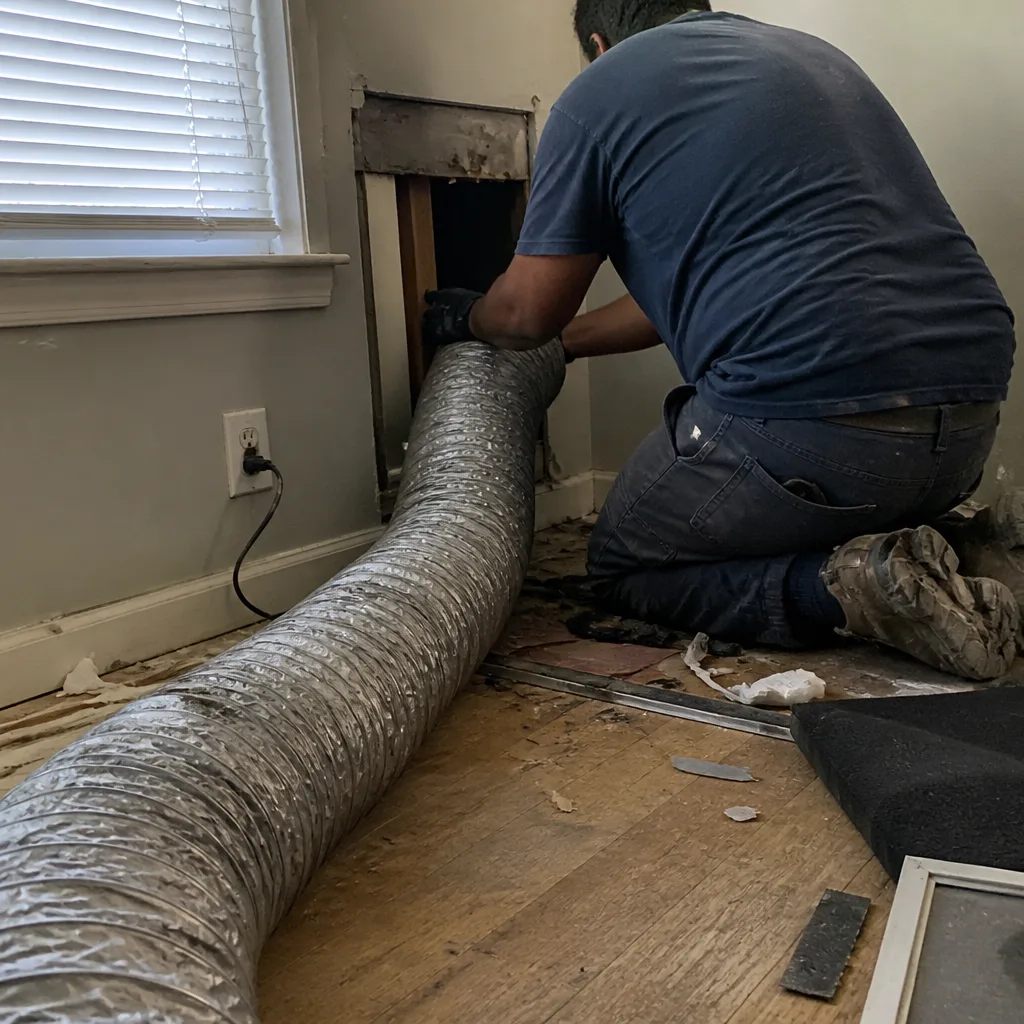 Before
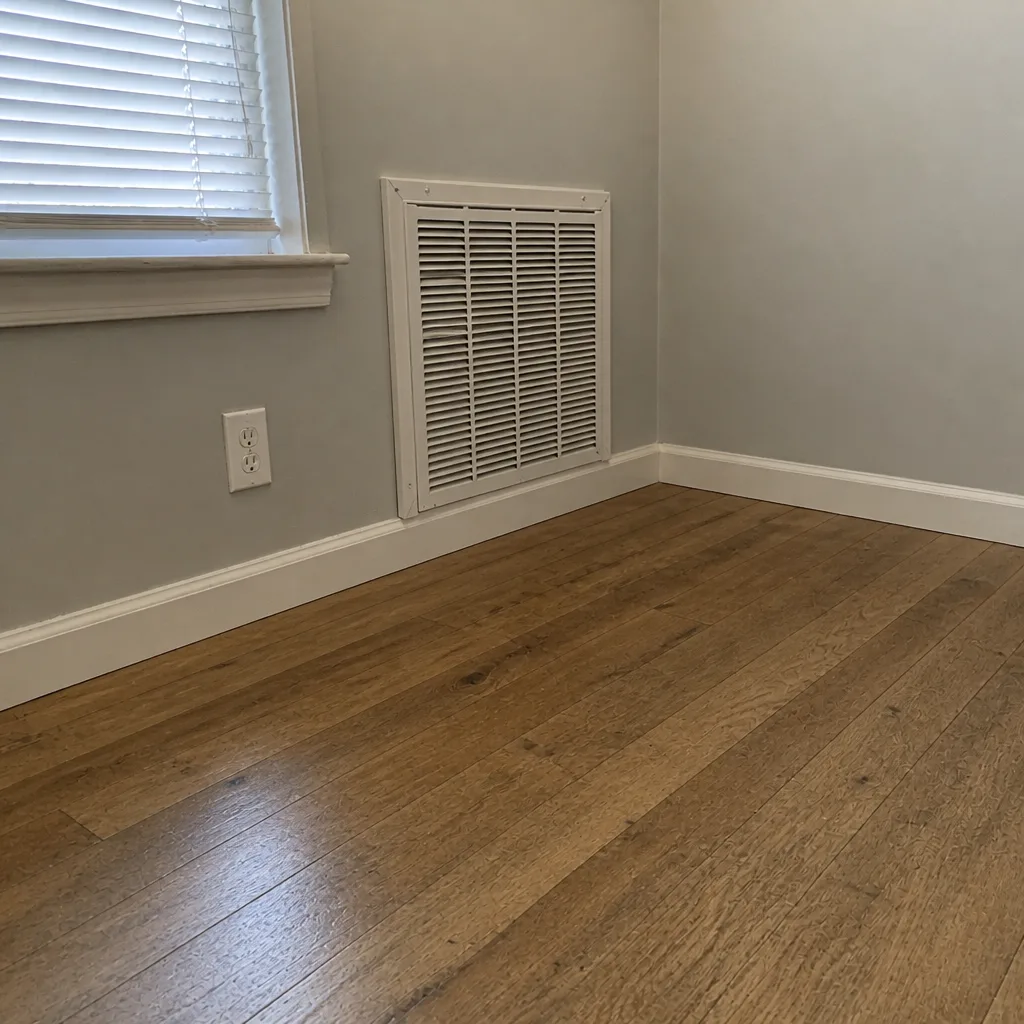 After
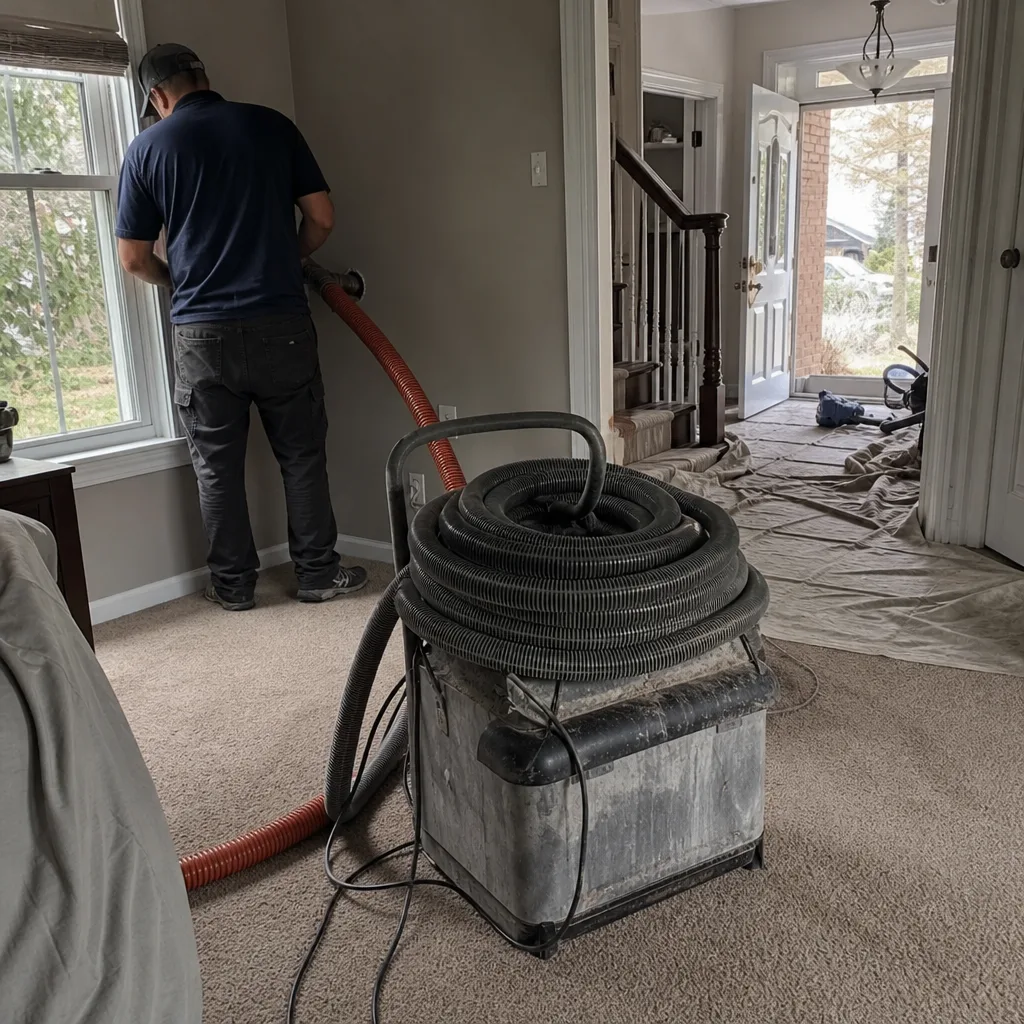 Before
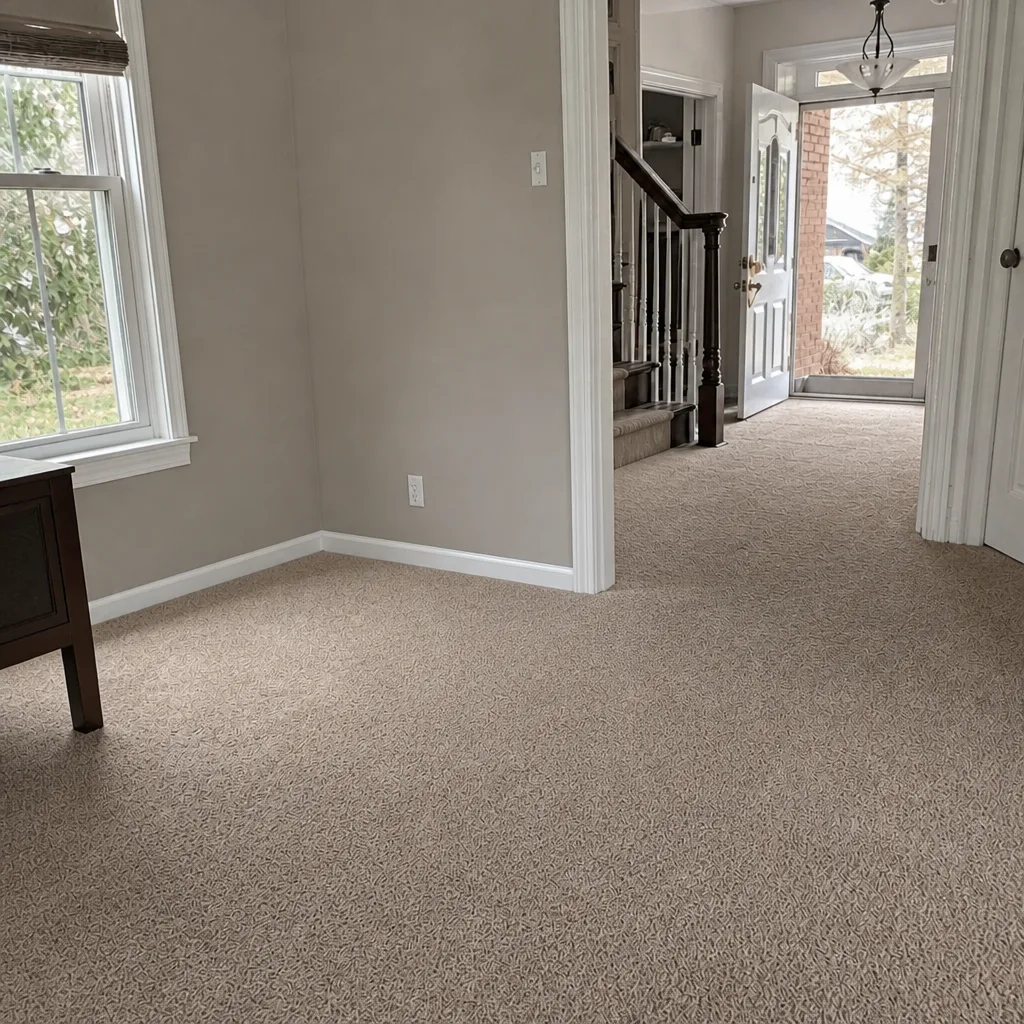 After
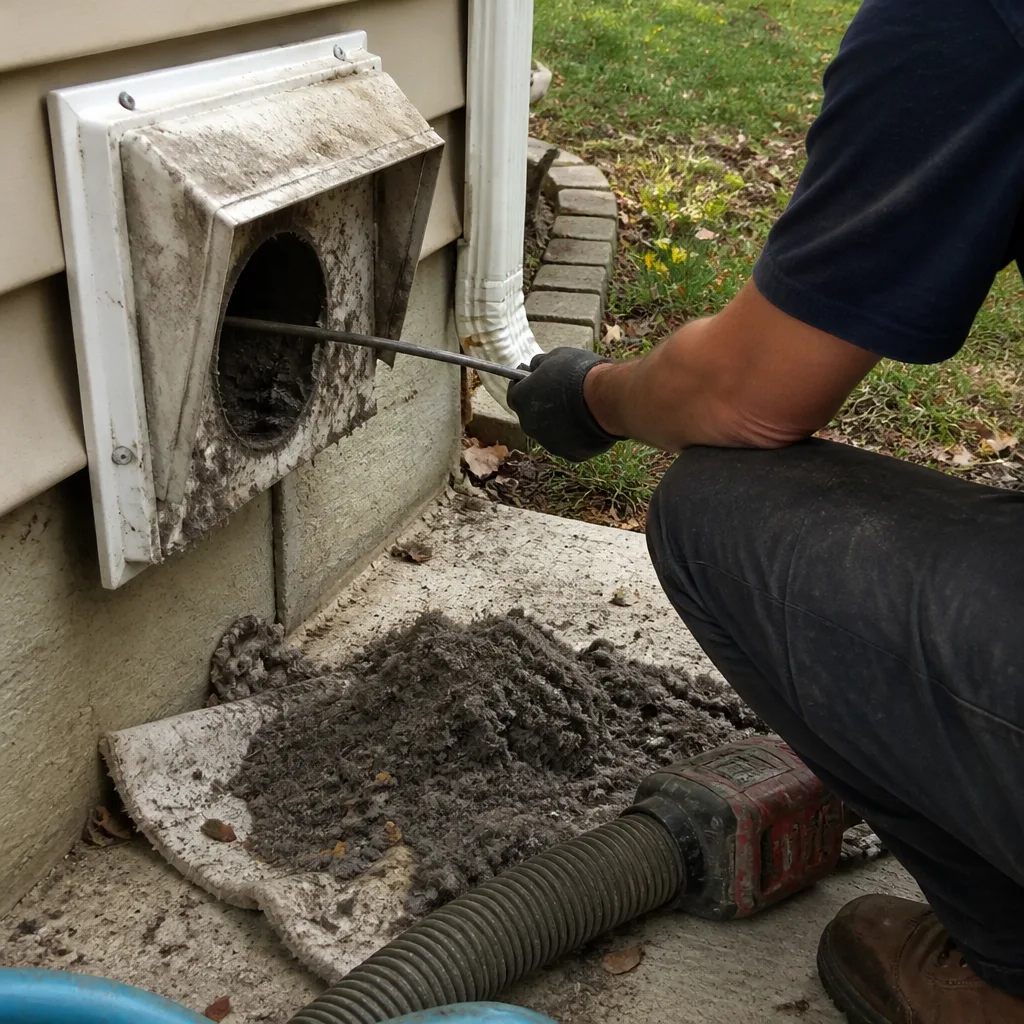 Before
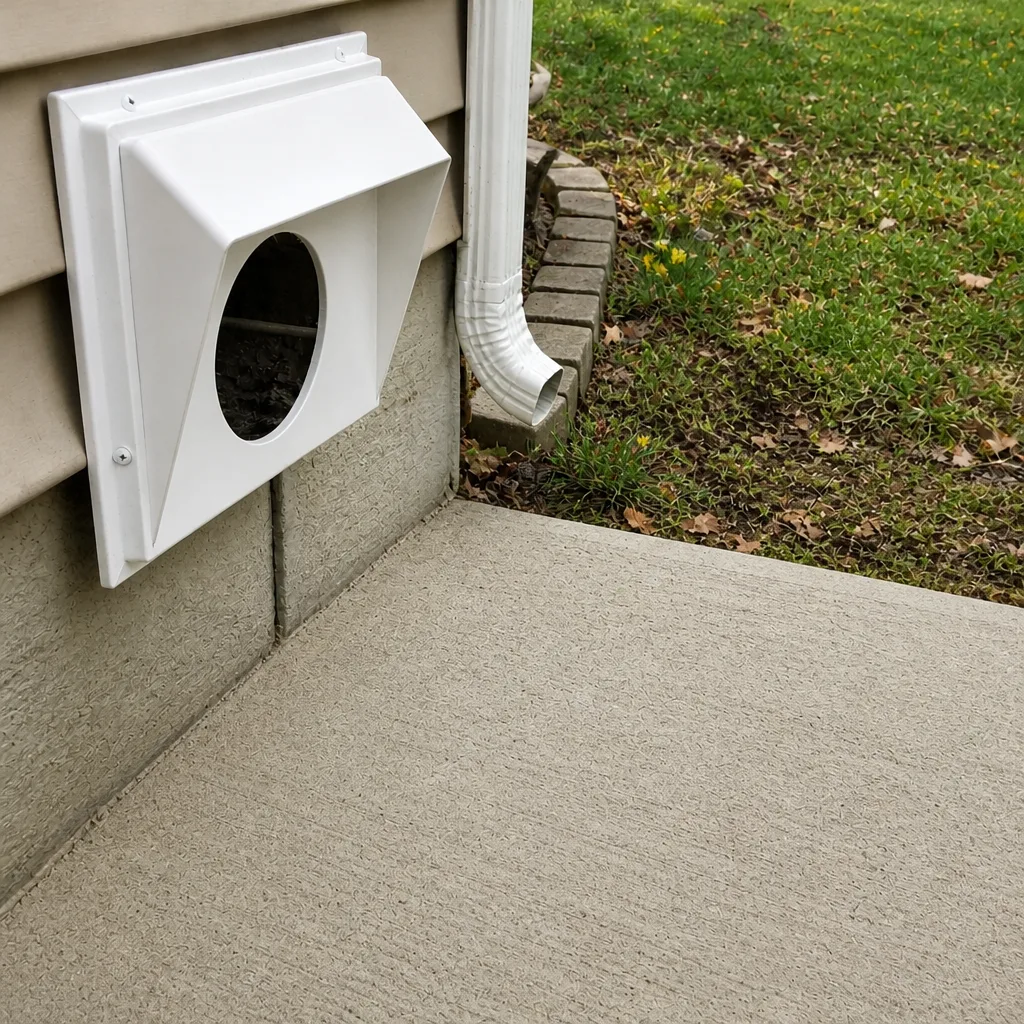 After
When to Call a Professional
Call a trained duct cleaning company when you see visible dust streaks around registers, when a musty smell arrives with the HVAC, when a recent renovation generated construction dust, when you’ve moved into a home with unknown duct history, or when a dryer takes two cycles to dry a load. Duct cleaning also isn’t a do-it-yourself job. The equipment required – negative-air machines, HEPA filtration, rotary brush systems sized to duct type – isn’t available at a hardware store, and pushing a shop vac into a return plenum risks dislodging debris into the coil or the living space. If there’s mold or rodent activity in the system, stop running the HVAC and call in a professional. Our technicians have up to 13 years of experience with duct systems in Maryland’s climate and housing stock. Stallion Air Duct Cleaning offers free estimates in Columbia and the surrounding area – call (866) 643-6070. We answer 24/7. Fast dispatch from 7am to 7pm, Sunday through Friday.
Frequently Asked Questions
Most Columbia homes land between $350 and $650 for a full-system cleaning, with larger or multi-zone homes running $750 to $1,400 or more. Add-ons like dryer vent cleaning ($100 to $180), coil cleaning ($150 to $300), and sanitization ($100 to $250) run separately. Any quote more than 30% outside that band either includes a lot of scope you should see itemized or it’s padded. Call (866) 643-6070 for an exact quote based on your home’s register count and duct layout. Estimates are free.
Cheap quotes almost always shorten the scope – fewer registers, no trunk line, no coil, contact vacuum instead of negative-air equipment. A $149 quote isn’t necessarily fraudulent, it’s just doing much less work. Compare the line items before you compare the total. If a cheaper quote includes everything a more expensive one does, in writing, at a real register count, then you’ve found a better deal. Most of the time, the cheap quote becomes more expensive once the technician arrives. Call (866) 643-6070 for a written estimate that includes every line item up front, with a per-job price agreed before work starts.
Before-and-after photos of your own ducts, taken inside your registers and trunk line, plus a register-by-register count on the invoice. Ask to see the negative-air setup running for the duration of the job, and confirm trunk line cleaning with an interior photo. Legitimate companies do these things automatically. If you’re asking for them after the fact and being told no, that’s your answer. Call (866) 643-6070 to schedule a job that documents its own work.
Every four to five years for most well-maintained homes, and every two to three years for homes with pets, recent renovations, or filter bypass issues. Homes with a humidifier or dehumidifier running from Aprilaire or Honeywell equipment tend to stay cleaner longer because moisture control limits what accumulates. Homes with visible register dust streaks should be checked regardless of interval. Call (866) 643-6070 for a free duct assessment if the last cleaning was more than five years ago.
Not as a primary reason. Duct cleaning removes accumulated material and restores airflow, which can improve comfort and system efficiency, but the biggest variable in HVAC efficiency is duct sealing and proper sizing, not duct cleanliness. If your system is running hard and the ducts are crushed or disconnected, duct repair is the fix. Cleaning is the maintenance layer on top of that. Call (866) 643-6070 to talk through what your system needs – the written estimate sets the price.
Cleaning removes accumulated material from inside the ducts. Repair fixes the physical duct system – crushed flex, disconnected joints, torn insulation, sealant failure. Both fall inside the same ventilation system, and fixing the physical problem often matters more than cleaning alone. Stallion Air Duct Cleaning handles both, so the same team that cleans your ducts can also repair them if the inspection turns up damage. Call (866) 643-6070 for a free estimate and get the full picture of what your system needs.
The Bottom Line
The $89 ad and the $1,200 quote can both be real, and the deciding factor is scope. A fair quote shows you a register count, includes the trunk line, itemizes any add-on services, and is backed by written estimate + before-and-after photos. A bad quote is a low price with no scope behind it and no written commitment to what’s included. Full-system cleaning every four to five years costs less over time than annual discount passes that never touch the coil, trunk, or properly counted registers. Professional-grade equipment from Rotobrush and Nikro, plus HEPA containment from Abatement Technologies where it matters, is where the price gap between quotes comes from. Our technicians have up to 13 years of experience, and we quote every job per-system with a flat price agreed before work starts. If you want a clear breakdown of what a full-system job on your Columbia home should cost, call (866) 643-6070. We answer 24/7. Fast dispatch from 7am to 7pm, Sunday through Friday.
Written by the team at Stallion Air Duct Cleaning.