
Last updated November 14, 2026
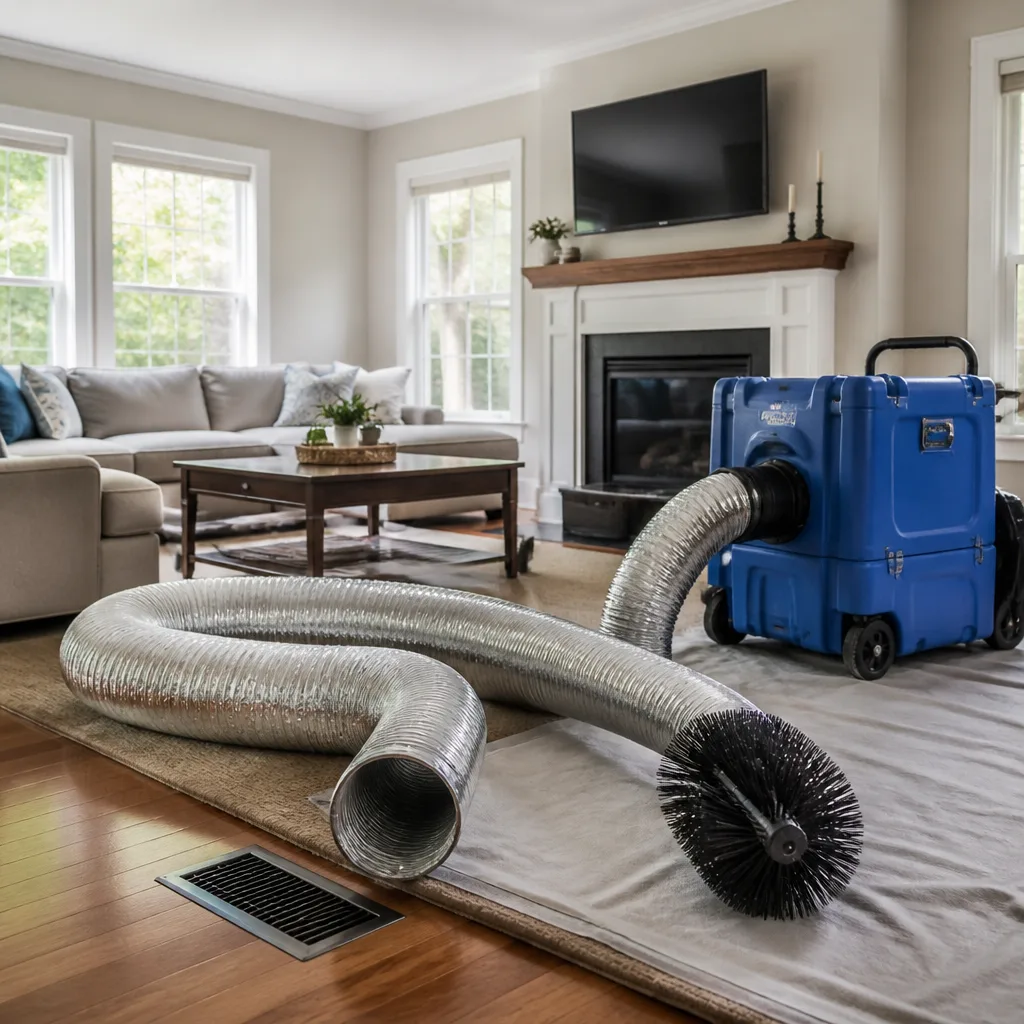 Whole-home duct cleaning
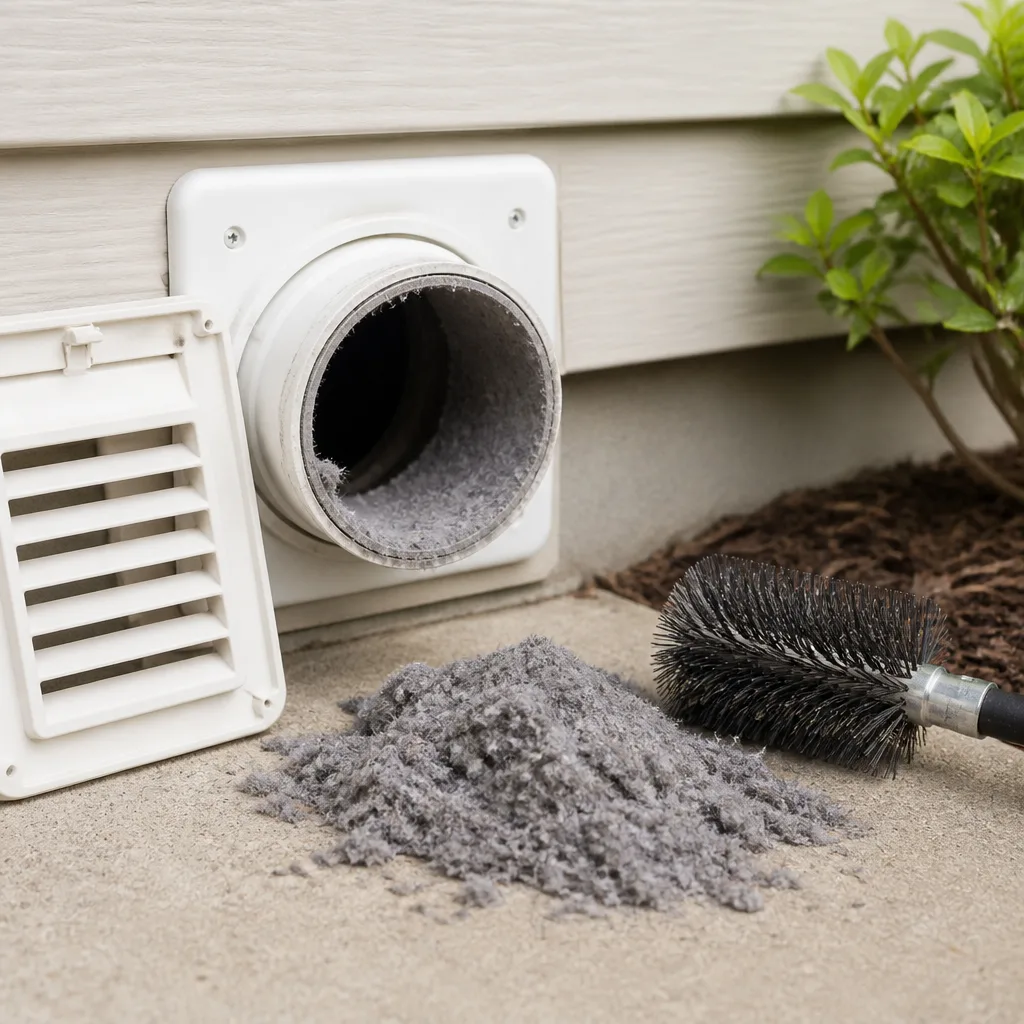 Dryer vent cleaning
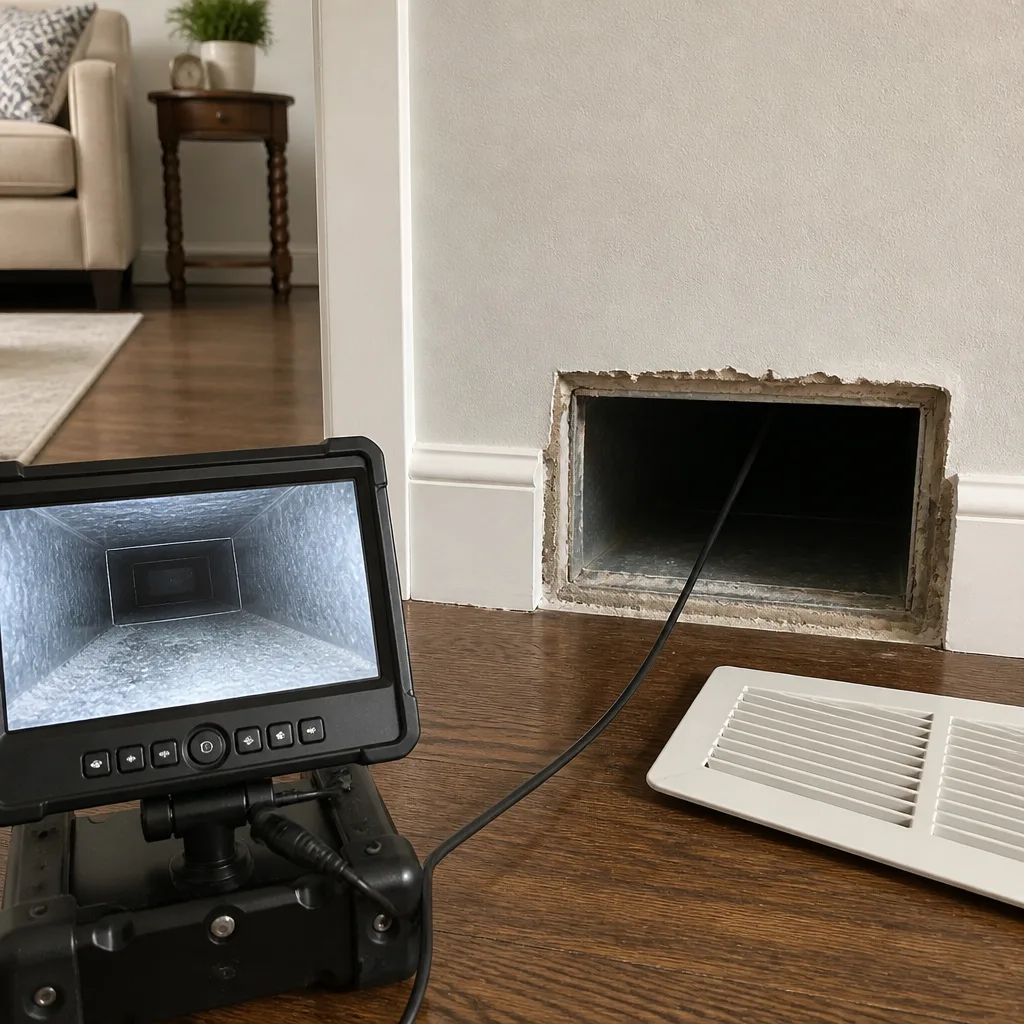 Camera inspection
 Sanitizing & deodorizing
Whole-system duct and dryer vent check with before-and-after photos - you see exactly what came out of your vents
That "$99 whole-house special" is a bait ad - the real number appears once they are in your hallway, or the "clean" is a shop-vac at the register. We photograph the inside of your ducts before and after instead.
Seasonal Air Duct Cleaning Care for Columbia: Year-Round Homeowner’s Guide
Most homeowners treat air duct cleaning like a once-a-year checkbox, usually in the fall when the furnace kicks on and something smells warm and dusty. That schedule misses three seasons of buildup. Columbia sits in a humid subtropical transition zone, the same climate that makes spring beautiful loads duct systems with tree pollen and mold spores at rates that surprise most homeowners when they see a camera feed. Pollen comes in April and May, humidity climbs through July and August, debris loads up before the first heating cycle, and winter sealing recirculates everything you didn’t remove. This guide maps each of Columbia’s four contamination windows to specific actions, so you know what’s actually happening inside your system and when it matters.
Quick Answer
Air duct care in Columbia needs four seasonal touchpoints, not one annual cleaning. Spring pollen infiltration through return grilles peaks in April and May, summer humidity creates a mold risk window around the AC coil and condensate pan, fall heating startup burns accumulated dust into circulating air, and winter air sealing traps interior particulates in recirculation. A camera inspection in late winter reveals the year’s total accumulation, and a whole-system cleaning once buildup is confirmed handles all four seasons at once.
Styles & brands we work with
- Whole-home duct cleaning
- Dryer vent cleaning
- Camera inspection
- Sanitizing & deodorizing
Table of Contents
- Spring in Columbia: When Pollen Enters Through Return Grilles
- Summer Humidity and the Mold Risk Window
- Fall Heating Startup and Stored Debris
- Winter Air Sealing and What Recirculates
- Month-by-Month Action Calendar for Columbia
- What a Camera Inspection Actually Shows
- Why Whole-System Care Beats Cleaning One Component
Spring in Columbia: When Pollen Enters Through Return Grilles
April and May are the heaviest pollen months in Howard County, and your return grilles are the collection point. Every time the air handler pulls air back from a room, it draws in whatever is riding the indoor air current: tree pollen, grass pollen, fine dust from neighborhood street work. A standard filter catches some of it. It never catches all of it. The fraction that slips past the filter settles on the interior walls of the return trunk and the supply runs closest to the air handler.
What most Columbia homeowners don’t realize is how quickly that accumulation becomes a permanent layer. Once pollen settles on a duct wall, ordinary airflow doesn’t lift it again. It sits there, absorbing condensation in the transition zone and slowly feeding the microbial growth the summer will encourage. Spring isn’t just pollen season. It’s the setup for everything that follows.
Two practical strategies slow the accumulation:
- Upgrade the filter to the highest MERV your air handler is rated for. Most residential systems in Columbia tolerate MERV 11 to MERV 13 without a pressure-drop complaint. Check your equipment rating before buying. A filter that’s too restrictive on an undersized return can starve the blower.
- Add a pre-filter at the return grille. A washable media pre-filter captures the larger pollen load before it reaches the main filter, and you can vacuum it monthly during April and May. It buys your primary filter months of extra life and keeps more particulate out of the duct walls.
Spring is also the best time for an initial cleaning before the pollen load embeds. Professional rotary-brush equipment from Rotobrush and high-vacuum recovery systems lift the settled layer rather than just blowing it around, which is the difference between cleaning and rearranging. If your HVAC technician installed a Honeywell or Aprilaire filtration system, ask what its design airflow is. Matching the cleaning method to the system’s actual design is what keeps the job honest.
Summer Humidity and the Mold Risk Window
Columbia’s summer humidity is the reason duct cleaning in July and August isn’t the same job as duct cleaning in February. When the air handler runs a cooling cycle, the evaporator coil gets cold and wet. That moisture drips into a condensate pan and drains away. When the pan is neglected, water sits, and warm return air passing over standing water carries vapor into the plenum and the first several feet of duct.
That’s the mold risk window. It’s not usually a catastrophic colony growing in a bedroom register. It’s a thin film forming on the interior walls of the plenum and the supply trunk, particularly in basements and crawlspaces where ambient conditions stay humid. By August, the system has been running near-continuously for weeks, and the interior of the duct is a warm, humid, dark environment with organic material (dust, pollen, skin cells) as food. That’s the exact growth condition mold needs.
What you can actually check as a homeowner:
- Look at the condensate pan and drain line. Water should flow freely. If the pan holds standing water, or the drain line is clogged, moisture is being reintroduced to the system every cooling cycle.
- Smell the supply registers on startup. A musty, damp, or earthy odor in the first minute of air movement is the clearest indication of biological growth somewhere in the pathway.
- Check the coil face for visible film. A clean coil is metallic. A coating of grey or dark matter means moisture and dust are combining faster than the system can shed it.
Abatement Technologies filtration equipment is what professional HEPA-level containment looks like during a cleaning. If a crew is running a shop vacuum and claiming to control airborne particulate during a humid-summer cleaning, that’s not the same process. Containment-first matters most in summer because the very dust you disturb is the dust you don’t want going back into the living space.
Fall Heating Startup and Stored Debris
The first furnace run of the season in a Columbia home is a contamination event, even when nothing is visibly wrong. Dust that accumulated in the supply runs through the summer gets baked the moment the heat exchanger fires. Rust flakes from older galvanized duct sections loosen. The smell that fills the house in the first hour of heat is not just “the smell of winter coming.” It’s aerosols of everything the ducts collected from April through October, cooked and circulated.
If you haven’t cleaned since spring, or ever, fall is where that stored load becomes indoor air quality you notice. And the timing is worth getting right. Cleaning after the first heating cycle clears material that has already been carried into the living space. Cleaning before the first cycle removes the entire load before it circulates.
The practical fall sequence:
- Book the cleaning before the heating system switches over, not after. In Columbia, that means September and early October, ahead of the first real cold snap.
- Have the register faces and grille covers cleaned as part of the job. Supply diffusers collect dust on the exterior surface and it drops back into the duct when you clean the interior.
- Ask what’s covering the dryer vent while the duct work is being cleaned. The dryer vent cleaning belongs on the same visit because lint accumulation follows the same seasonal pattern and the same neglect.
- Verify that any recent duct changes to a room addition or remodel were sealed at the joints. Unsealed joints in a new branch are the fastest path to conditioned air loss and dirt ingress in the fall.
Winter Air Sealing and What Recirculates
Winter is when duct contamination becomes most visible, because winter is when homes in Columbia are tightest. Windows stay closed, doors stay closed, weatherstripping and insulation upgrades keep exterior air out. That’s good for energy efficiency. It’s also the season when every particle the system is carrying stays in the house, cycling through the air handler dozens of times a day with nothing to dilute it.
The result is that winter delivers the clearest camera inspection. Interior duct conditions don’t lie in December and January. What the camera sees in a closed-up Columbia house in winter is the total accumulation of three previous seasons, undisturbed and clearly visible: pollen and dust bonded to return walls, biological growth on the plenum near the coil, rust scale on older trunks, and debris at the transitions where flex duct meets rigid.
A few winter-specific considerations:
- Every tightened seal increases recirculation. If you’ve added insulation, weatherproofed, or sealed gaps this fall, the interior air is doing more work re-entering the system and less exchanging with outside air. Filtration and duct condition matter more, not less.
- Humidifiers raise the interior moisture load. If you run a whole-home humidifier set for winter comfort, it becomes part of the same moisture equation as summer AC condensate. The Aprilaire systems many Columbia HVAC installers use are designed to work with proper duct condition, not over it.
- Schedule the inspection before the next heating season. A winter camera inspection tells you exactly what a spring cleaning needs to remove, so the cleaning is scheduled ahead of pollen season instead of catching up after it.
For property managers running multiple Columbia units, winter is also the practical window. Tenant turnovers cluster in spring and summer. A winter inspection across a portfolio reveals which units have failing duct work and which are only dirty, so repair and cleaning decisions can be scheduled around occupancy rather than in a rush.
Month-by-Month Action Calendar for Columbia
Generic seasonal advice is useless when your climate has four distinct contamination windows. Here’s what’s actually happening in Columbia’s climate, month by month.
January – Best camera inspection window. Interior duct conditions are undisturbed and clearly visible. Book now if you plan a spring cleaning.
February – Humidifier check. If you run a whole-home humidifier, verify it’s not adding excess moisture to a system that needs cleaning first.
March – Pre-season cleaning window. Cleaning before pollen season removes previous-year accumulation so this spring’s load starts with a clean system.
April – Pollen season begins. Upgrade the main filter to your system’s rated MERV, install a washable pre-filter at the return, and vacuum the pre-filter monthly.
May – Peak pollen load. Continue monthly pre-filter maintenance. Any visible dust accumulation on return grille faces is the signal that the system is working hard.
June – Summer cooling begins. Have the AC contractor check the condensate pan and drain line during any service call.
July – Highest humidity month. Watch for musty startup odor and film on the coil face. This is the mold risk month.
August – Coil and drain line check. If the pan holds standing water or the drain is slow, fix it before September. The system can’t stay clean if it’s reintroducing moisture.
September – Pre-heating cleaning window. Clean ducts, grille faces, and the dryer vent before the first cycle of heat.
October – First heating cycle. If you cleaned in September, the startup smell should be minimal. If it’s heavy, you skipped a step.
November – Winter sealing starts. Verify no new duct joints are unsealed after any fall weatherproofing work.
December – Recirculation peak. This is when interior air quality problems become noticeable. Note anything you smell or see, and schedule the January inspection to confirm.
Track the calendar against your actual cleaning intervals. If you cleaned in 2025 and see visible dust accumulation by the following spring, the system is under-filtered or a joint is leaking, and that’s a duct repair question before it’s a cleaning question.
What a Camera Inspection Actually Shows
A camera inspection turns duct care from a guess into a documented process. We use it because “trust me, it was dirty” isn’t a quality standard. The camera goes through the supply trunk, the return run, and the plenum, and it shows you exactly what is inside your system before and after we work in it.
What the camera typically reveals in a Columbia home depends on the season:
- Winter inspection: The full picture. Bonded pollen and dust layers, biological film near the coil, rust scale on older galvanized sections, and debris at the transitions where flex duct meets rigid trunk.
- Spring inspection: Concentrated pollen load on return walls and the supply trunk nearest the air handler. Bypass dust on filters that are seated poorly or undersized.
- Summer inspection: Visible biological film on the plenum and first supply run from the coil. Standing water or residue in the case of a neglected condensate pan.
- Fall inspection: Stored debris load about to be circulated during heating startup. Rust flakes from older duct sections ready to break loose from thermal cycling.
The camera is also what tells us when a cleaning isn’t the answer. Torn flex duct interior liners, disconnected joints, crushed runs in a crawlspace, and sections where the insulation has separated from the duct wall are repair problems. Cleaning around a torn liner just redistributes what it was holding. That’s why Stallion Air Duct Cleaning does air duct cleaning and duct repair together: we look at the whole pathway before we start, and we document what we find.
Why Whole-System Care Beats Cleaning One Component
The most common mistake we see in Columbia is treating duct cleaning, dryer vent cleaning, and duct repair as three separate transactions with three separate companies. They’re not separate systems. Air handler, return trunks, supply runs, registers, dryers, and grilles all live in the same envelope, and what’s happening in one has consequences for the others.
A disconnected supply duct in a crawlspace pushes conditioned air into the yard and pulls soil dust into the return. A clogged dryer vent is a fire risk, and it’s also proof that the household isn’t in the habit of checking ventilation pathways. A torn flex liner in the trunk feeds debris into the furthest supply runs. Cleaning the runs without fixing the trunk just repeats the problem next season.
The whole-system approach works in a specific order:
- Inspect first. Camera walk-through of the entire pathway, including the plenum, trunk, runs, and grille connections. Identify what’s contamination and what’s damage.
- Repair before cleaning. Seal disconnected joints, replace torn liners, reconnect crushed runs. Cleaning after repair removes only what’s actually there, not what keeps being reintroduced.
- Clean with containment. Rotobrush and Nikro rotary-brush systems lift and recover, not blow. Abatement Technologies filtration equipment captures the airborne fraction before it escapes into the living space.
- Verify with the camera. Before-and-after documentation of the exact same sections. Homeowners see what changed.
- Recommend filtration and IAQ improvements based on what the system needs. Honeywell and Aprilaire familiarity means we speak the same language as your HVAC installer and can recommend a MERV target or pre-filter strategy that fits your equipment without guessing.
For Columbia homeowners running an Air Duct Repair scope alongside a cleaning, Guardsman-grade professional products come into the process for protection after cleaning. It’s the last step, not the first.
If you’re outside Columbia proper and looking at the same seasonal issues, the same logic applies in every neighborhood within a reasonable drive. Start with Columbia and work outward; the climate transition zone covers most of Howard County.
Common Mistakes to Avoid
- Cleaning only after the smell appears. By the time a fall startup smell is heavy, the contamination is already in the living space. Clean in September, before the first heating cycle. Columbia’s transition-zone humidity means the summer load is bigger than most homeowners expect.
- Skipping the pre-filter in April and May. Relying on a single main filter during pollen peak is the fail pattern we see most. Add a washable pre-filter and vacuum it monthly. It’s the cheapest intervention with the biggest effect.
- Ignoring the condensate pan. The pan isn’t part of the duct, but a pan full of standing water reintroduces moisture to everything downstream of the coil. Check it in August, not next spring.
- Treating duct cleaning and duct repair as optional add-ons. A disconnected trunk or torn flex liner isn’t something cleaning solves. Cleaning around damage is money spent that undoes itself within the season.
- Falling for the per-vent coupon. Per-vent pricing encourages crews to count vents, not fix the system. A whole-system flat price agreed before work starts is the fair model, and it’s the only one that lets the crew take the time the job actually requires.
- Assuming mold risk is only a summer problem. In Columbia, winter humidifiers and closed-up homes create the moisture conditions the summer AC coil built. Look at the whole year, not one season.
- Skipping the dryer vent. Dryer vents follow the same seasonal pattern as the ducts and carry a fire risk that duct work alone doesn’t address. Include it on the same visit.
See the difference
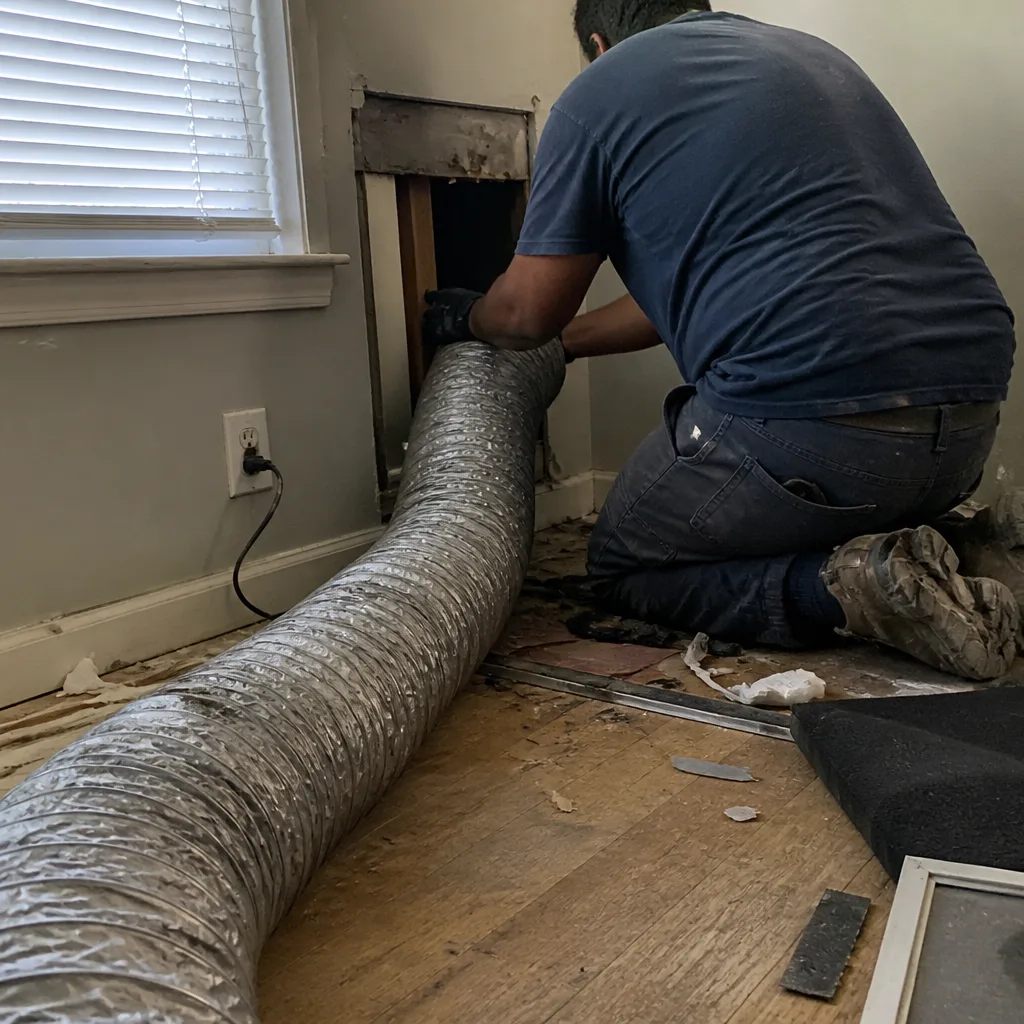 Before
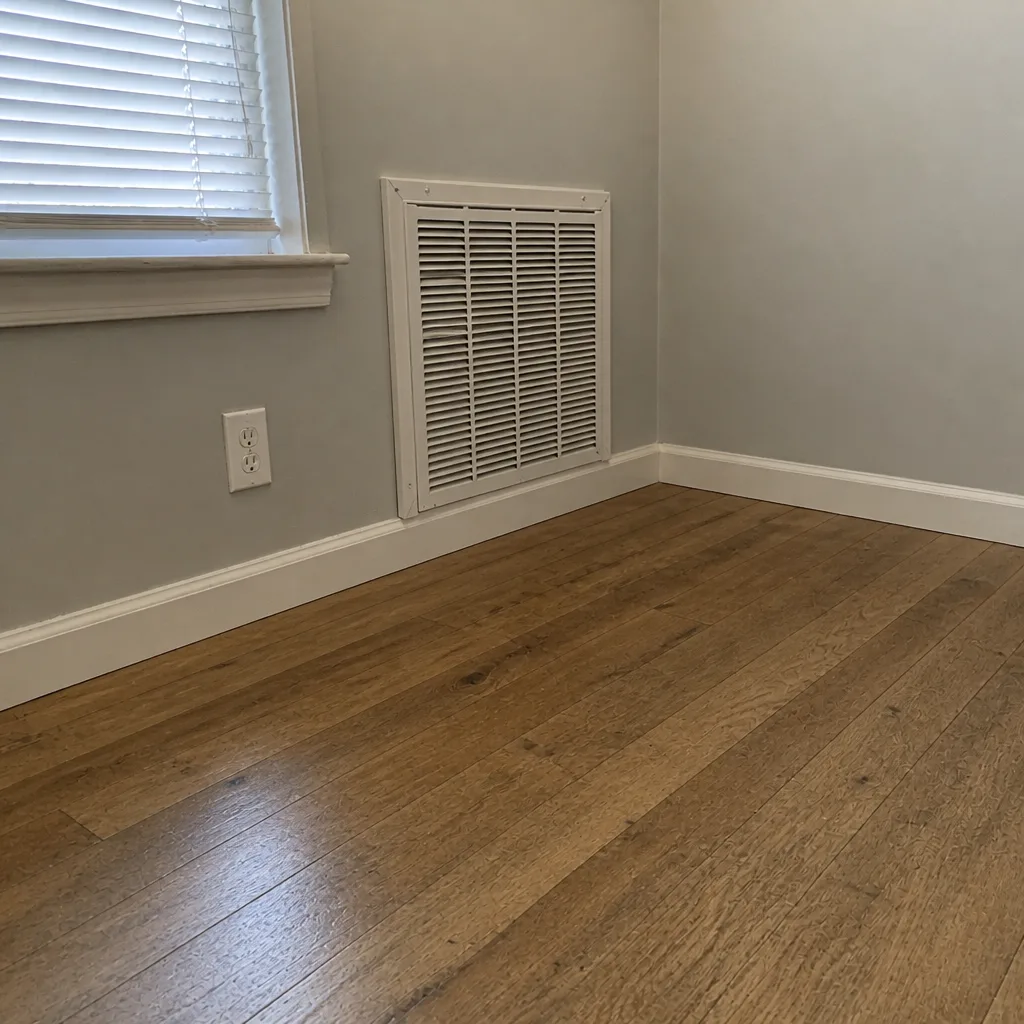 After
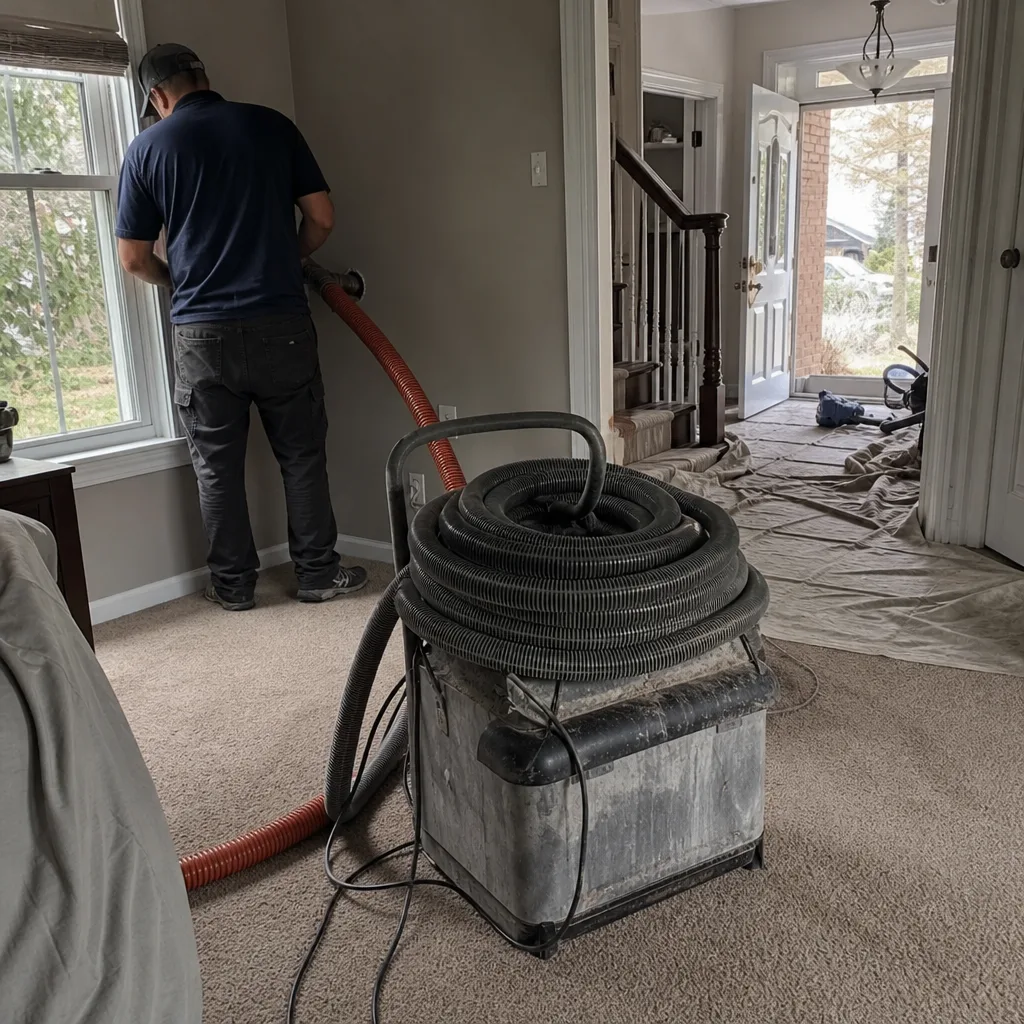 Before
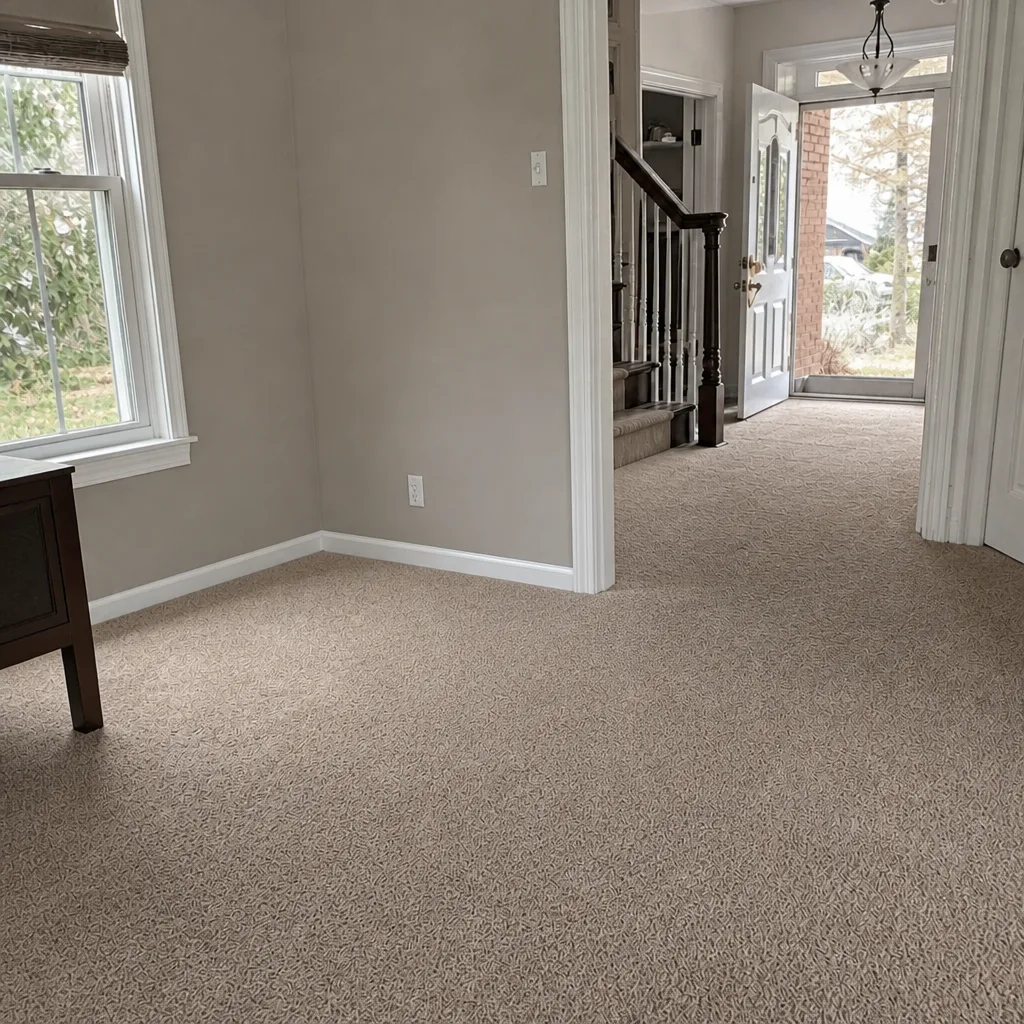 After
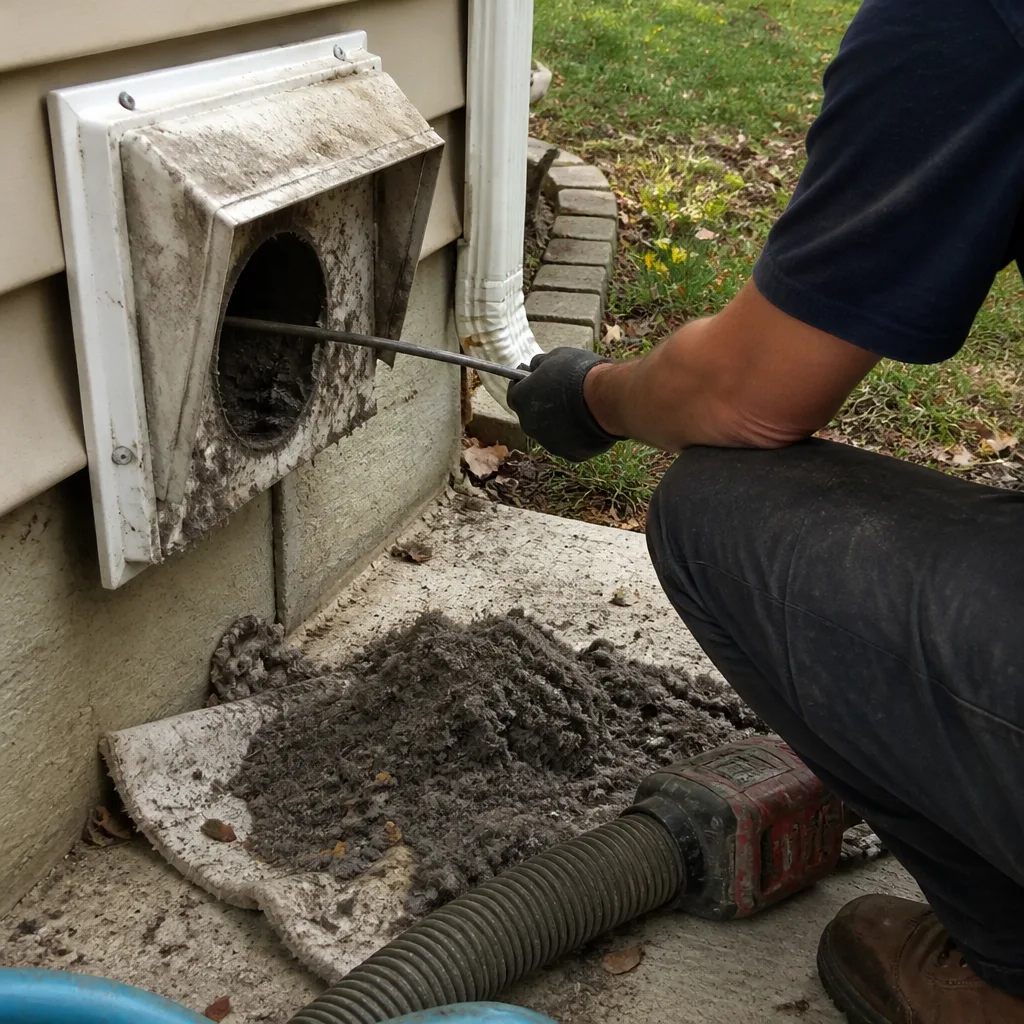 Before
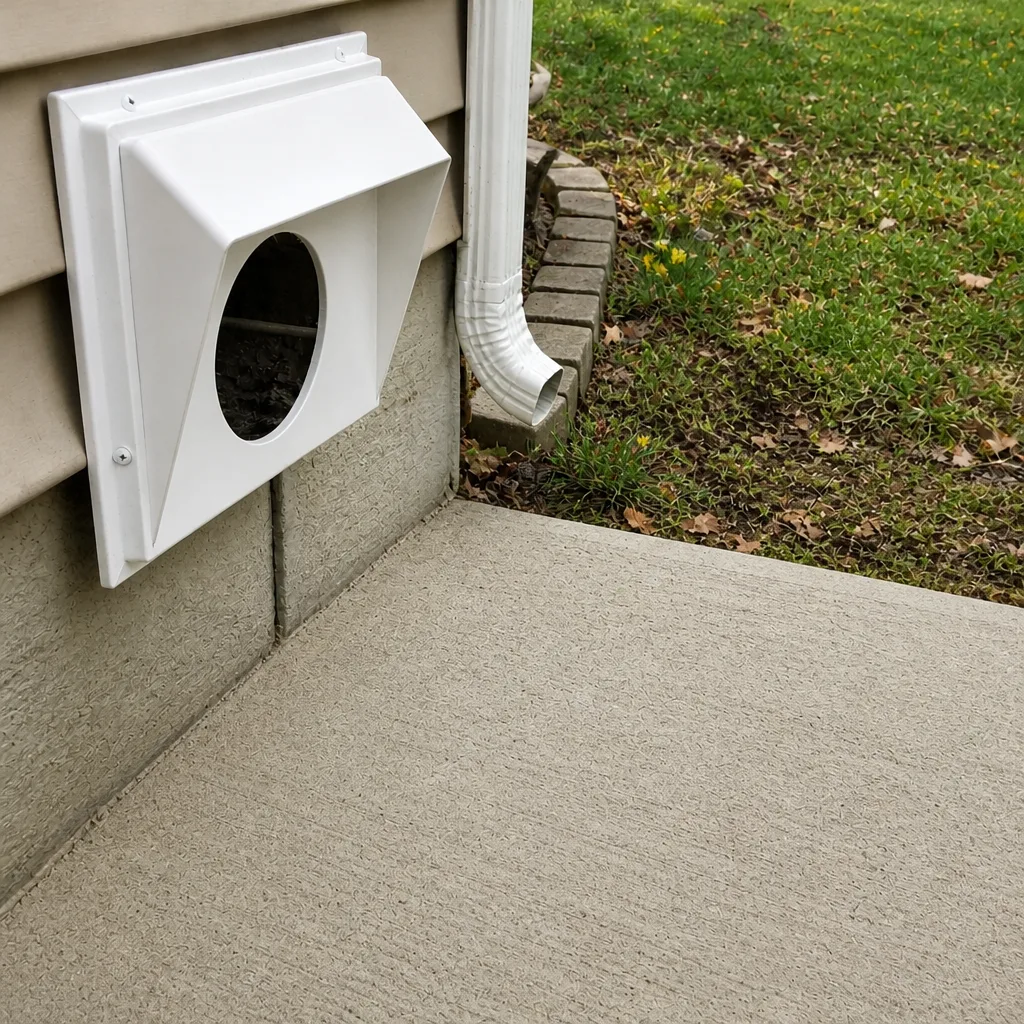 After
When to Call a Professional
Call a professional when the camera shows bonded contamination that ordinary airflow won’t lift, when a fall startup smell is heavy enough to notice in walking through the house, when a summer musty odor appears at any supply register, or when a duct joint or liner is suspect. Also call if you’re managing a rental turnover and need a documented baseline before the next tenant moves in. Homeowners with a known allergy or respiratory concern in the household should schedule a documented inspection before doing any DIY filter work, since the pre-filter and MERV choices need to match the equipment rating. Stallion Air Duct Cleaning offers free estimates in Columbia. Call (866) 643-6070 and we’ll schedule the inspection around the season that best fits your system. For the full scope of what we handle, start with Stallion Air Duct Cleaning.
Frequently Asked Questions
Once per year in most Columbia homes, timed to late winter or early September so the cleaning lands between seasons. Homes with pets, recent remodeling, or a known allergy in the household may benefit from an additional cleaning mid-year, usually in July after the pollen peak. The key is scheduling around the contamination windows, not treating cleaning as a once-a-year calendar event.
Late February through March and mid-September through early October are the two best windows. Winter inspection shows the full seasonal load, and cleaning before spring pollen or before fall heating startup removes the accumulation before it circulates. Call (866) 643-6070 and we’ll schedule around the season that fits your system. We answer 24/7. Fast dispatch from 7am to 7pm, Sunday through Friday.
Yes, specifically around the evaporator coil, the condensate pan, and the first several feet of the plenum. When the system runs cooling cycles in high-humidity conditions, the wet coil introduces moisture into that section of the pathway every cycle. Neglected drain pans make it worse. If you smell musty startup odor in July or August, that’s the signal to schedule an inspection. A camera check will confirm what’s actually there.
Whole-system cleaning in Columbia typically runs a few hundred dollars per system, and the exact figure depends on the number of supplies, returns, the length of the trunk, and whether a repair is needed first. We don’t price per vent, and we don’t quote a teaser figure that becomes something else once the technician arrives. One flat price per system, agreed from the written estimate before any work starts, with before-and-after photos of your own ducts. Call (866) 643-6070 for an exact quote. Estimates are free.
Cheap quotes usually skip containment, skip the camera verification, and clean one visible trunk without addressing the plenum or supply runs. That’s a shop-vac pass, not a whole-system cleaning. The other cheap-quote tactic is per-vent pricing that balloons once a technician is on site and starts counting registers. One flat price per system is the model that avoids both problems. If a quote isn’t clear on scope and containment, it’s not comparable to a professional whole-system job.
Documented before-and-after camera photos of the same sections. Ask up front if the crew uses camera verification and does the inspection before and after in the same runs. That’s the standard at Stallion Air Duct Cleaning, and it’s what separates verified work from a crew that claims the ducts are clean on the way out the door. Call (866) 643-6070 for a free estimate that includes the inspection scope.
If you’re also thinking about the dryer vent cleaning side of the equation, the same documentation standard applies.
The Bottom Line
Columbia’s climate gives you four contamination windows a year, and each one is different. Spring pollen embeds on return walls. Summer humidity feeds the mold risk window around the coil and pan. Fall heating startup circulates stored debris. Winter sealing recirculates everything that wasn’t removed. Schedule the inspection in winter, the cleaning in September or March, filter upgrades in April, and drain line checks in August. One annual cleaning handles the buildup; the seasonal calendar handles what makes the cleaning necessary. Whole-system care, with camera documentation before and after, is what turns the job from a service call into a decision you can verify. Call (866) 643-6070 for a free estimate. We answer 24/7. Fast dispatch from 7am to 7pm, Sunday through Friday.
Written by the team at Stallion Air Duct Cleaning.