
Last updated November 14, 2026
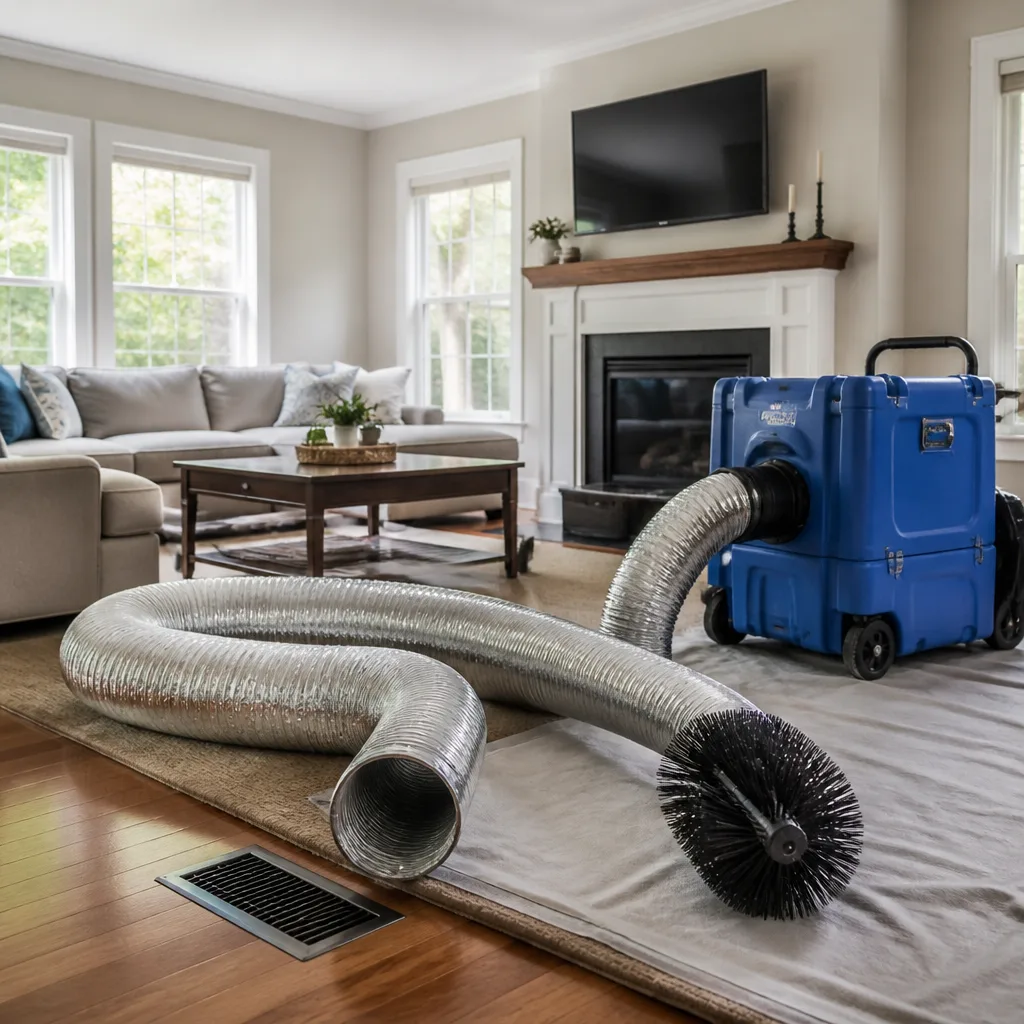 Whole-home duct cleaning
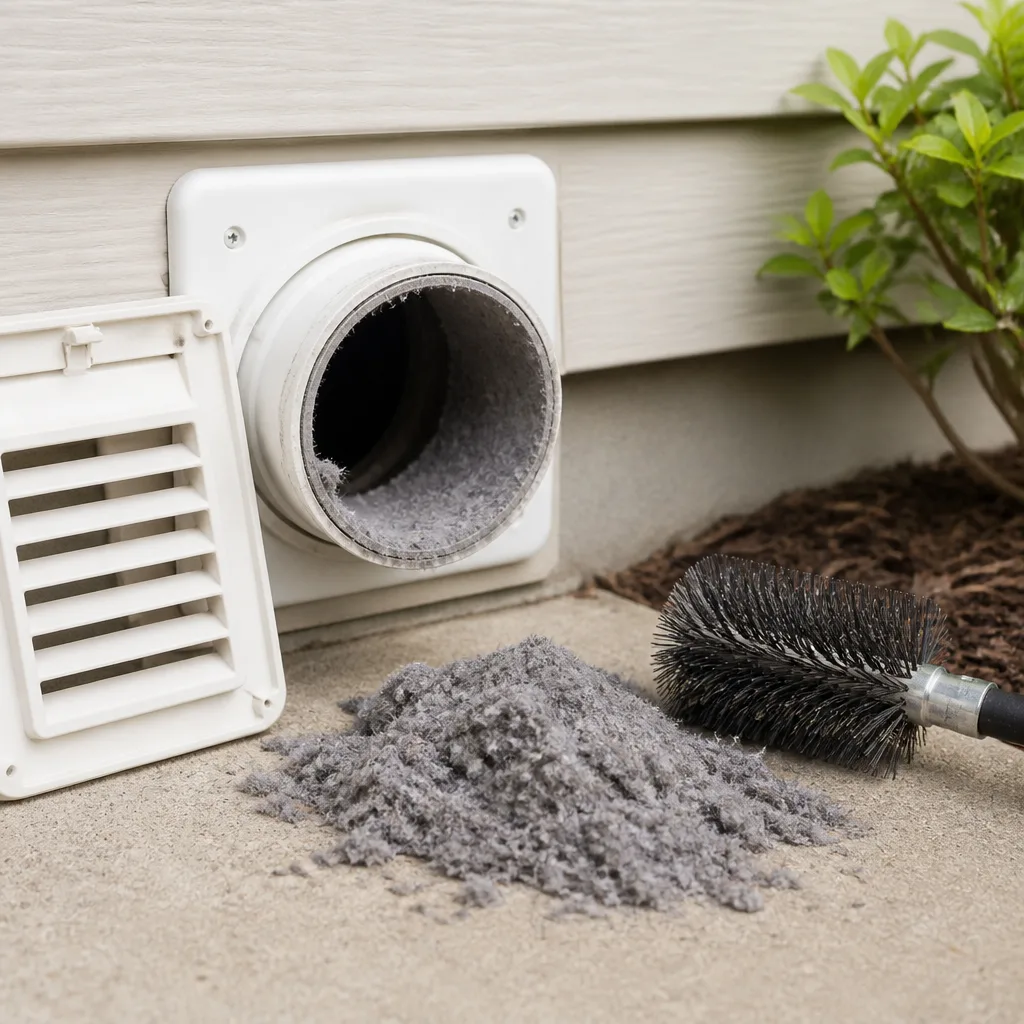 Dryer vent cleaning
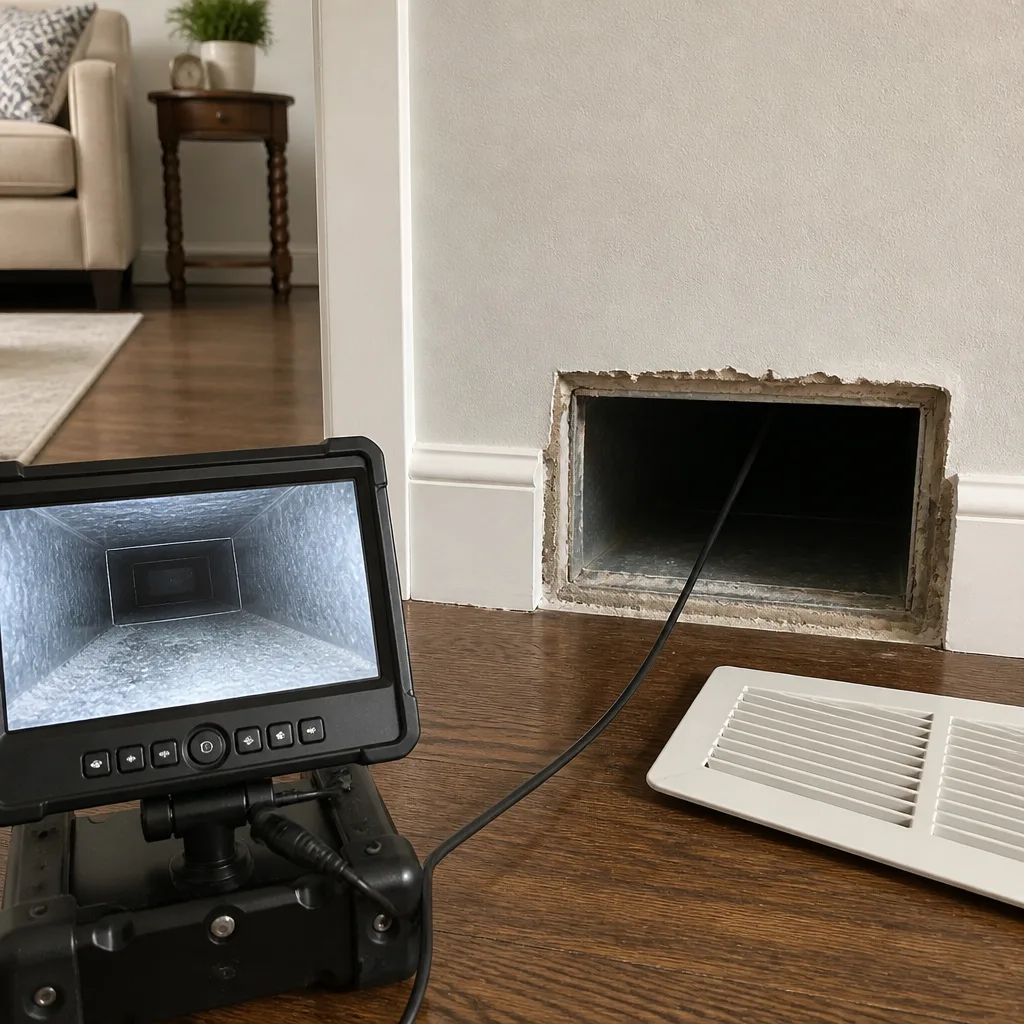 Camera inspection
 Sanitizing & deodorizing
Whole-system duct and dryer vent check with before-and-after photos - you see exactly what came out of your vents
That "$99 whole-house special" is a bait ad - the real number appears once they are in your hallway, or the "clean" is a shop-vac at the register. We photograph the inside of your ducts before and after instead.
How to Hire an Air Duct Cleaning Contractor in Columbia: A Step-by-Step Guide
In Maryland, nothing stops someone from buying a shop vac, printing business cards, and advertising duct cleaning tomorrow. Knowing this changes how you evaluate every quote you receive. Duct cleaning isn’t a licensed trade here the way electrical or plumbing work is, so the barrier to entry is essentially zero, and the paperwork a company hands you tells you far less than the questions you ask on the phone. Columbia’s housing stock – a lot of it built by the Rouse Company in the 1960s and 70s and now carrying decades of dust, pollen, and occasional flex duct – deserves a closer look than a coupon flyer allows. This guide walks you through the exact screening process we’d want any homeowner in Columbia to follow, from the first call to the final walkthrough.
Quick Answer
To hire an air duct cleaning contractor in Columbia, ask for the CFM rating of their negative-air machine, the agitation method they use (rotary brush, air whip, or skipper ball), whether they isolate sections during cleaning, and a written scope of work covering register count, linear footage, coil cleaning, and sanitization products. Prefer companies that show NADCA membership as a starting point, carry professional equipment rather than shop vacuums, and offer an inspection with before-and-after photos. Screening three questions deep on equipment and method will separate real specialists from van-and-shop-vac operators faster than any credential.
Styles & brands we work with
- Whole-home duct cleaning
- Dryer vent cleaning
- Camera inspection
- Sanitizing & deodorizing
Table of Contents
- Why Hiring in Columbia Is Harder Than It Looks
- What the State of Duct Cleaning in Maryland Really Means for You
- The Eight Technical Questions That Do the Filtering
- What NADCA Membership Means (and Doesn’t)
- Red Flags of Low-Price Operators in Columbia
- What a Written Scope of Work Should Include
- Columbia-Specific Factors: Owen Brown, Wilde Lake, and Flex Duct
- How to Verify the Work After the Job
Why Hiring in Columbia Is Harder Than It Looks
Duct cleaning has a marketing problem wrapped around a real service problem. Anyone can run a Google ad, drop a coupon in a mailer, and arrive with a portable vacuum claiming to be a “whole-home specialist.” The word “clean” is doing a lot of heavy lifting in this trade, and it means different things to different operators. For one company, it means vacuuming the surface of the registers. For another, it means a contact cleaning of every linear foot of supply and return trunk, plus coil and blower compartments. The customer sees the same invoice.
Columbia’s housing adds a wrinkle. Many of the older villages – Owen Brown and Wilde Lake especially – were built with a mix of rigid metal trunk lines and flexible duct runs to the registers. Flex duct has ridges and corrugations that trap particulate differently than smooth metal, and the wrong agitation tool will shred it rather than clean it. A contractor who talks about “aggressive brushing every line” without asking what kind of duct you have is telling you something about their process, whether they mean to or not.
We’ve seen the fallout of this first-hand: ducts “cleaned” last spring that still discharge visible dust on a cold start, blower wheels never touched, and dryer vents that got a home inspection but no real vent cleaning. The good news is that there’s a reliable path through the noise. It just takes a handful of specific questions, a written scope, and a look at the equipment that shows up in your driveway. This guide gives you all three.
What the State of Duct Cleaning in Maryland Really Means for You
Maryland does not require a universal license to clean air ducts. That’s the fact that changes everything about how you shop. The state licenses electricians, plumbers, HVAC contractors, and home inspectors through specific agencies, but duct cleaning on its own sits in a gap. A company can operate with a general business license, an EPA certification for the refrigerant work that often accompanies HVAC jobs, and nothing else. The barrier to calling yourself a professional duct cleaner is, as the opening paragraph said, essentially zero.
This is not a knock on honest operators working without a specific license. It’s a warning about the incentive structure the gap creates for the less honest ones. Into that gap walk:
- Handymen adding duct cleaning as an upsell, with a $200 shop vac and no containment.
- Carpet cleaning franchises bolting on a “duct add-on” with no rotary agitation.
- Lead-generation call centers that truck in subcontractors from across the region.
- One-man operations with good intentions but no way to prove the work was actually done.
Because the state doesn’t verify the technical side, the burden shifts to you. The questions in the next section exist to do the verification the state doesn’t. Ask them, listen to how they’re answered, and you’ll know within ten minutes whether you’re talking to a specialist or a sales pitch. That’s the whole game in Columbia: separating operators who know the trade from operators who know how to close a call.
The Eight Technical Questions That Do the Filtering
Ask these on the phone before you book. The answers tell you more than years in business or review counts ever will, because they reveal whether the person you’re talking to actually understands what they’d be cleaning.
- What’s the CFM rating of your negative-air machine? CFM (cubic feet per minute) is the pull the vacuum generates. A serious duct cleaning setup runs well above the $99 specials. If the representative doesn’t know the number, that’s your answer.
- What agitation method do you use? The three methods you’ll hear about are rotary brush, air whip, and skipper ball. Rotary brush is the industry standard for metal and mixed duct; air whip uses compressed air to loosen debris; skipper ball is a high-pressure air nozzle. Each has a place. What matters is that the company names their tool and can explain why they pick it for a given duct type.
- How do you isolate the section you’re cleaning? Proper containment means the air in your home isn’t drawn into the ductwork while the ducts are open. Ask specifically whether they use negative pressure for the whole run or isolate by section, and whether they’re using Abatement Technologies or similar HEPA-level filtration on site.
- Do you clean the blower wheel and the evaporator coil? These are the parts most low-price cleaners skip. A duct system that’s spotless on the runs but has a dirty blower wheel isn’t clean.
- Do you use a camera inspection, and will I see the footage? Camera interior views are the difference between “we cleaned it” and “here’s the duct before and after.”
- What sanitization product do you use, and what’s in it? Ask for the product name and whether it’s EPA-registered. A vague “we spray something” isn’t good enough.
- What’s the linear footage you’re covering, and how many registers? A quote without a register count and linear footage is a quote against a moving target.
- Do you repair ducts, or only clean them? Some duct problems aren’t dirt problems – disconnected joints, crushed flex runs, and torn insulation need repair. A company that only cleans will clean around a problem it can’t fix.
We answer all eight questions in that first call when a Columbia homeowner asks. Our technicians have up to 13 years of experience, and our cleaning work uses Rotobrush and Nikro equipment – purpose-built duct-cleaning systems, not repurposed hardware-store vacuums. If the company you’re screening can’t answer questions one through eight with specifics, move to the next name on your list.
What NADCA Membership Means (and Doesn’t)
NADCA stands for the National Air Duct Cleaners Association. A company listed as a member follows the association’s code of ethics and has access to its technical standards, including the ACR (Assessment, Cleaning, and Restoration) standard that defines what “properly cleaned” means in the trade. Membership is a floor, not a ceiling.
Here’s what NADCA membership does tell you:
- The company has committed to a set of professional practices on paper.
- They acknowledge that a “point-and-suck” cleaning isn’t a cleaning.
- You have somewhere to complain if the work falls short.
Here’s what it doesn’t tell you:
- Which technician is walking into your home, or how experienced they are.
- What equipment actually shows up in the driveway.
- Whether the scope on your invoice covers the whole system or a mailer-sized portion of it.
So treat NADCA membership as one data point, not the deciding one. Combine it with the eight questions above, a written scope, and a camera inspection. A member company with a good process is the goal. A member logo alone is a starting point, not a finish line. In Columbia, where no state license verifies the trade, these trade-body signals carry more weight than they might in a licensed state – but only when paired with specifics.
Red Flags of Low-Price Operators in Columbia
The duct cleaning industry in Columbia has the same bait-and-switch reputation it has everywhere else. A coupon price brings the technician to your door, and the invoice grows once they’re inside. Every red flag below points back to that pattern.
Whole-house specials under $99. A real full-system cleaning takes equipment, time, and two or more technicians. Any quote that reads like a loss leader is a loss leader. Expect the price to rise after the technician arrives, usually with a “your ductwork is worse than we thought” justification added on site.
No camera inspection offered. If a company can’t show you the inside of your ducts, you can’t verify the work was done. A camera is standard professional equipment in this trade. Its absence is a tell.
No truck-mounted or high-CFM equipment. Portable vacuums have their place, but if the only rig a company mentions is a shop vac, you’re paying for a surface pass. Ask for the CFM rating. You’ll hear either a number or an excuse.
“We don’t need to see it first” quotes. Any honest contractor wants an on-site look or a video call before pricing a full system. Quotes given sight-unseen are guesses that get adjusted on arrival.
No talk of duct type. A company that doesn’t ask whether you have rigid metal or flex duct is either not planning to clean it properly or not prepared to handle the difference.
No written scope. Verbal promises, no document. If the scope, register count, and linear footage aren’t on paper before the work starts, you have no leverage after.
Pressure to decide same day. A legitimate contractor can absorb a day of deliberation. Urgency tactics exist to move you before you ask questions.
What a Written Scope of Work Should Include
A written scope is the contract that makes the rest of this guide enforceable. Without one, you’re relying on memory and goodwill. With one, you have a checklist for the walkthrough at the end of the job. The scope should be in your hands – email is fine – before a single tool comes through the door.
Here’s what a real scope for a Columbia home includes:
- Register count. Number of supply and return registers to be cleaned, listed individually.
- Linear footage of ductwork. The total run the price covers, not just the trunk line.
- Coil cleaning scope. Whether the evaporator coil and blower wheel are included or priced separately.
- Sanitization product disclosure. The exact product name and whether it’s EPA-registered.
- Agitation method per duct type. Rotary brush for metal, softer method for flex – the scope should name which applies where.
- Containment method. Negative pressure details and what filtration equipment is on site.
- Before-and-after documentation. Camera footage delivery format and whether you’ll receive copies.
- Price. One flat price agreed before work starts, with no per-register surprise additions.
That last point is the one that answers the bait-and-switch worry directly. One flat price per system, agreed in advance, no per-vent pricing once the technician is inside. If the scope doesn’t commit to that, it’s not a scope; it’s a pitch.
Columbia-Specific Factors: Owen Brown, Wilde Lake, and Flex Duct
Columbia is not a uniform market. A home in Wilde Lake built in the early 1970s and a home in River Hill built in the 1990s have different duct configurations, different attic layouts, and often different contamination patterns. Hiring as if they’re the same gets you the wrong service for your house.
Here’s what to watch for by neighborhood:
- Owen Brown and Wilde Lake: Many homes here have significant flex duct runs, especially to registers added or extended later. Flex duct needs gentler agitation – a rotary brush at the wrong speed against corrugated liner can shred it. Ask specifically how the company handles flex.
- Harper’s Choice and Oakland Mills: Mixed systems with metal trunk and flex branches are common. The screening question is how they isolate and clean each run without cross-contaminating the others.
- River Hill and Dorsey’s Search: Newer construction often means tighter duct runs and larger coil assemblies. Coil cleaning scope becomes more important here because there’s less slack to work around.
Columbia’s climate matters too. Humid summers put the evaporator coil through a wet-dry cycle every day, which encourages biological growth in the dark plenum. That growth doesn’t just sit still – it gets drawn into the supply runs. Cold winters dry the flex duct liner, making old ductwork more brittle and more prone to tear. Screen for a contractor who asks about these seasonal cycles before quoting. It’s a Columbia detail that separates the local specialists from the regional call centers.
How to Verify the Work After the Job
The most common complaint after a duct cleaning isn’t that the technicians were rude or the price changed – it’s that the homeowner can’t tell whether anything actually happened. Here’s how to close that gap at the walkthrough, in order.
- Walk the registers with the technician. Look into each one before they pack up. Freshly cleaned registers show clearly.
- Watch the camera footage. A real specialist pulls up footage for the worst runs and shows it side-by-side with the pre-cleaning view. If they can’t produce “before” footage, they didn’t document the job.
- Check the coil compartment. If the scope included coil cleaning, look in. It should be visibly clean with no standing water in the pan.
- Re-test airflow. Hold a tissue to a register with the system running. Airflow should be at least as strong as before, and the dust puff on start-up should be gone.
- Photograph before-and-after walls and floors near every register. Any damage should be visible and fixable while the crew is still there.
- Keep the scope of work. If a problem shows up in three weeks, the scope is your reference point for what was promised.
When we work in a Columbia home, the before-and-after documentation is part of the job, not an add-on. We repair what others only clean around, and we photograph what we clean so you can see it. That’s the standard you should expect from anyone you hire here.
Common Mistakes to Avoid
- Judging by the coupon price. A $59 “whole-home special” isn’t a price; it’s a lead. The real number shows up on the invoice after the technician is inside, and the delta is rarely a small one.
- Skipping the CFM question. If you don’t know what pull the machine generates, you’re trusting the brochure. Ask the number. Compare it to what a real rotary-brush system uses.
- Not asking about duct type. In Owen Brown and Wilde Lake, homes have meaningful flex duct runs. A company that doesn’t ask whether you have metal or flex is a company that plans to clean it all the same way, which is a problem for the flex.
- Hiring a company that doesn’t repair ducts. Crushed runs, disconnected joints, and torn insulation are common in Columbia’s older villages. A company with no repair capability will clean beside the problem and hand you the phone number for someone else.
- Accepting a verbal-only scope. If the register count, linear footage, coil scope, and sanitization product aren’t in writing, the post-job conversation will be someone’s word against yours.
- Not watching the camera footage. A camera inspection that’s never shown to you isn’t really an inspection. Ask for it before the crew leaves the driveway.
- Ignoring the dryer vent. Duct cleaning that skips the dryer vent leaves one of the most important safety and efficiency lines in the house untouched. Ask if it’s covered or priced separately.
See the difference
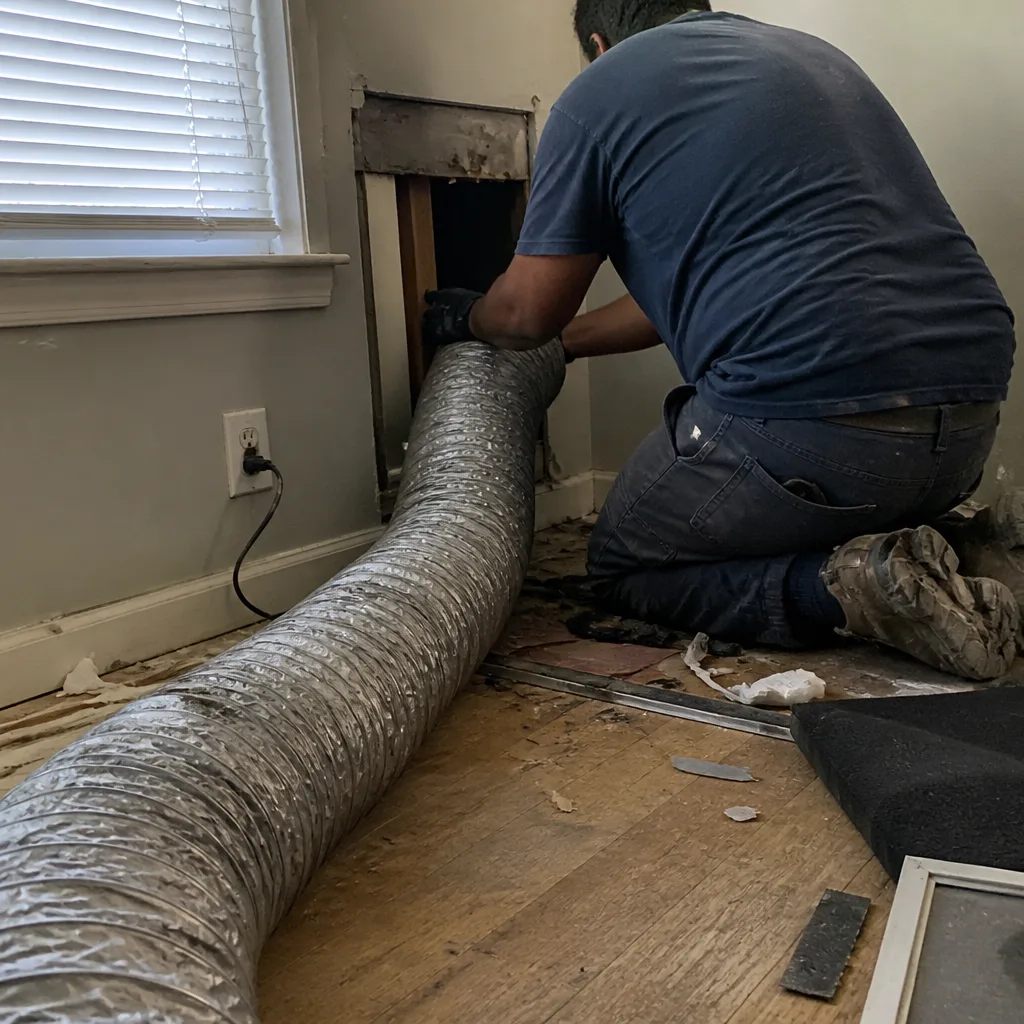 Before
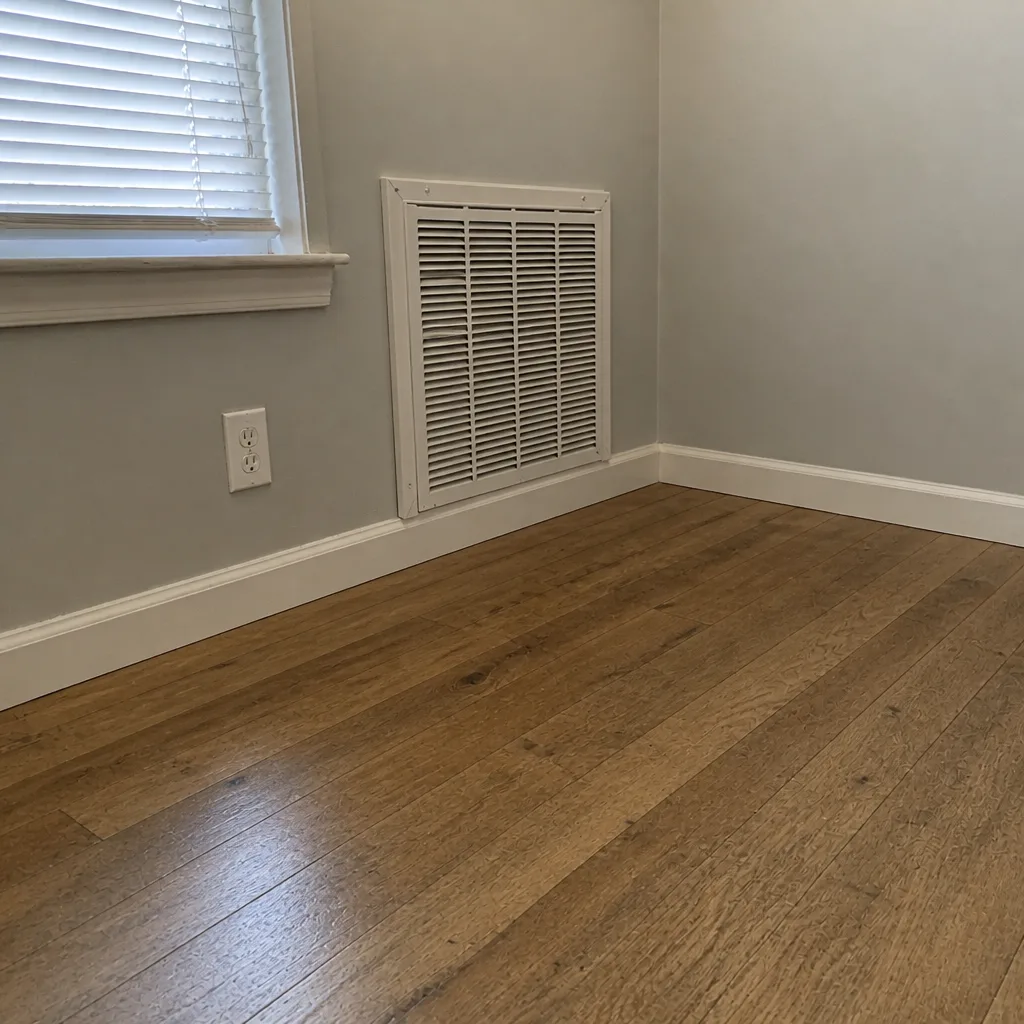 After
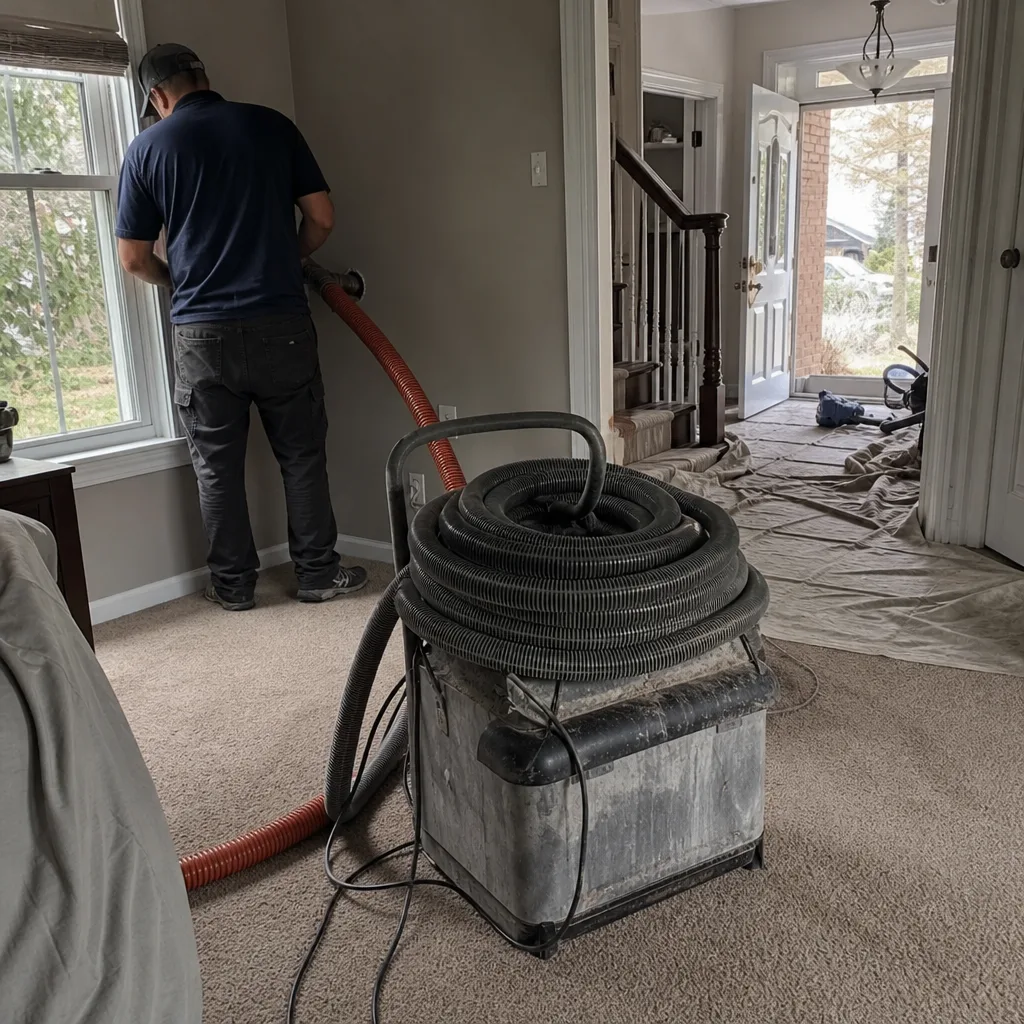 Before
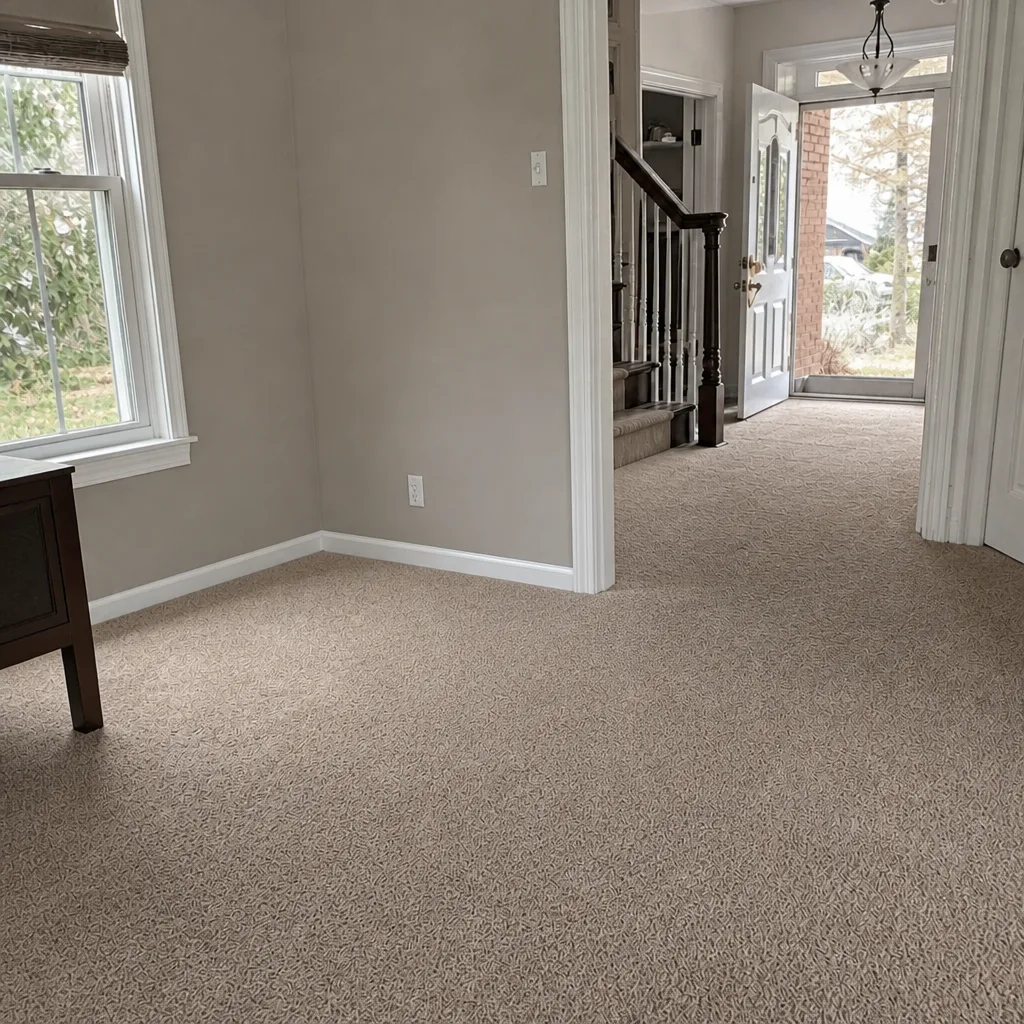 After
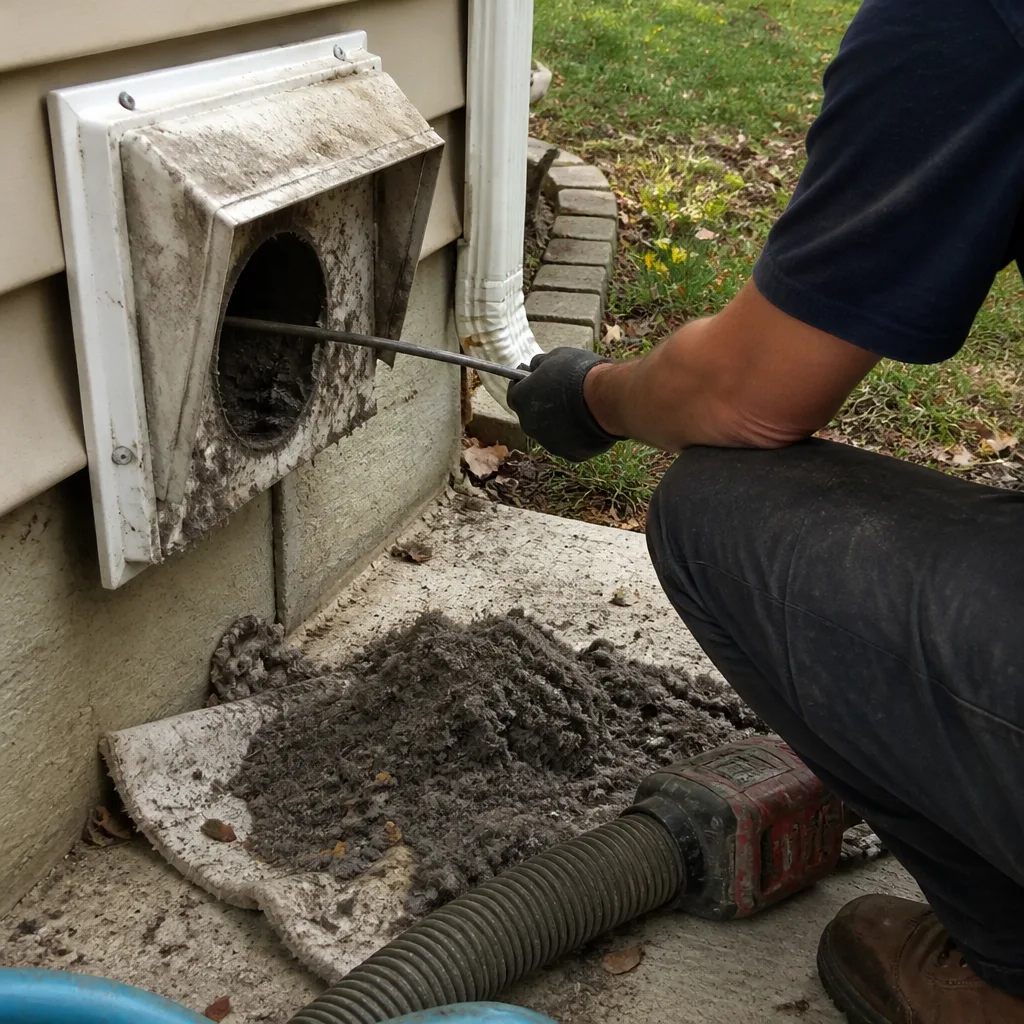 Before
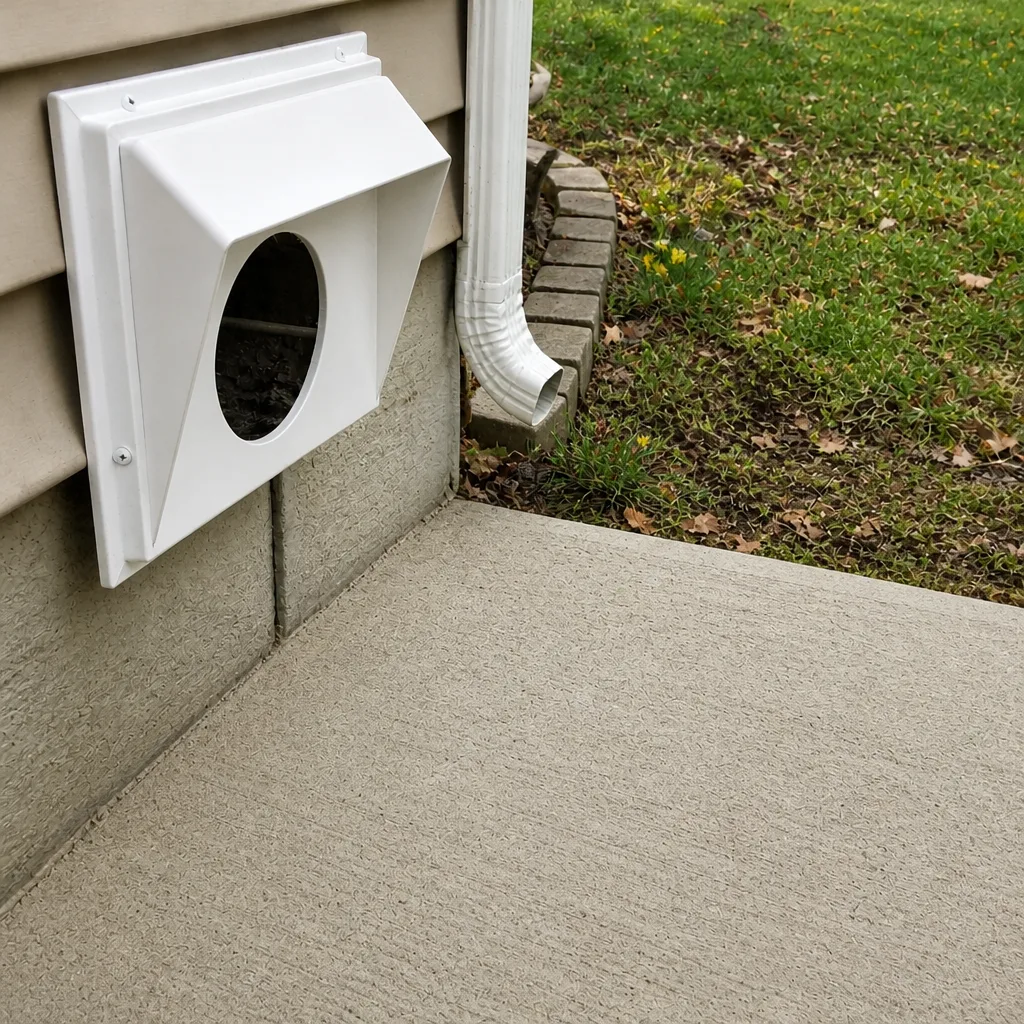 After
When to Call a Professional
Some signs mean it’s time for a professional. A visible dust plume on cold starts, a return register that’s darker than its neighbors, an unexplained uptick in allergy symptoms for anyone in the house, or a dryer that now needs two cycles to finish the load – any of those warrants a call. So does moving into a Columbia home where you don’t know the last time the ducts were cleaned, or where remodeling has spread construction dust through the supply runs. If your ducts have visible mold growth or rodent activity, don’t wait. Our site has more detail on Stallion Air Duct Cleaning, and our air duct cleaning and dryer vent cleaning teams cover the full ventilation footprint. Stallion Air Duct Cleaning offers free estimates in Columbia – call (866) 643-6070. We answer 24/7. Fast dispatch, 7am-7pm.
Frequently Asked Questions
You know by what they say and what they show. Ask the eight technical questions in this guide – CFM rating, agitation method, containment approach, blower and coil coverage, camera inspection, sanitization product, register count, and repair capability. A qualified contractor answers all eight specifically, offers a written scope, and shows before-and-after camera footage. A sales pitch runs out of answers by question three.
No. Maryland does not require a universal license for duct cleaning itself, which is why the screening burden falls on the homeowner. Adjacent trades are licensed (electricians, plumbers, HVAC contractors through the state), but a dedicated duct cleaning company can operate with a general business license and nothing else on the duct side. That’s exactly why the questions and written-scope process in this guide matter more here than they would in a licensed state.
A real quote includes register count, linear footage, coil and blower scope, sanitization product name, agitation method per duct type, containment details, and before-and-after documentation. It should also state one flat price per system, agreed before work starts. If the quote is a single number without a corresponding scope, it’s not a quote – it’s a placeholder that will change on the day of service.
The cheap prices are usually not a cleaning price; they’re a lead-in price. They pay for the advertising, get a technician to your door, and shift the real work into “additional services” once the technician is inside. The equipment may be a portable shop vac rather than a professional rotary-brush system with negative-air containment. One flat price per system, stated before work begins, is the structure that closes that gap. Call (866) 643-6070 for an exact quote – estimates are free.
For most Columbia homes, every three to five years is reasonable, and the honest answer is that it depends on the house. Homes with pets, recent remodeling, or occupants with allergies do better on the shorter end. Homes in Wilde Lake and Owen Brown with older flex duct should be checked more often because the corrugated liner traps more particulate. A camera inspection answers the question faster than a calendar. Call (866) 643-6070 and we’ll take a look – estimates are free.
Before-and-after camera footage is the answer. A professional duct cleaning includes interior camera views of the worst runs, shown to you on site before the crew leaves, so you can compare the “before” and “after” side by side. Combine that with the walkthrough checklist in this guide – register-by-register, coil compartment, and a tissue test on airflow – and you’ll have concrete proof, not just a clean-looking invoice. Call (866) 643-6070 for a free estimate in Columbia.
The Bottom Line
Hiring an air duct cleaning contractor in Columbia comes down to a handful of decisions you make before anyone shows up. Ask about CFM rating, agitation method, containment, and coil coverage. Demand a written scope with register count and linear footage. Treat NADCA membership as a floor, not a certificate of done. Walk away from $99 specials and anyone who can’t answer the flex-duct question. Then verify the work with camera footage, a register walkthrough, and a fresh-airflow test. Get those steps right and you’ll skip the bait-and-switch entirely. To talk through your own case or get a free written estimate, call Stallion Air Duct Cleaning at (866) 643-6070. We serve Columbia and the surrounding communities with duct cleaning, dryer vent cleaning, and duct repair under one roof. We answer 24/7. Fast dispatch, 7am-7pm, Sunday through Friday.
Written by the team at Stallion Air Duct Cleaning.